Space science
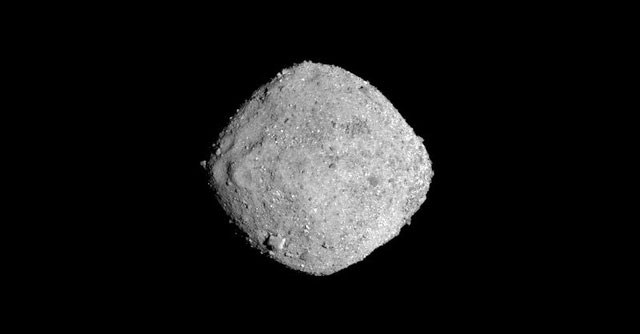
These are the 5 asteroids NASA is hunting down because they have a high risk of destroying Earth.
NASA is tracking nearly five of the most dangerous asteroids to Earth, including those with a high risk of causing a catastrophic impact.
Browse ScienceInfo articles and explainers related to Asteroid.
564 published items.
NASA is tracking nearly five of the most dangerous asteroids to Earth, including those with a high risk of causing a catastrophic impact.
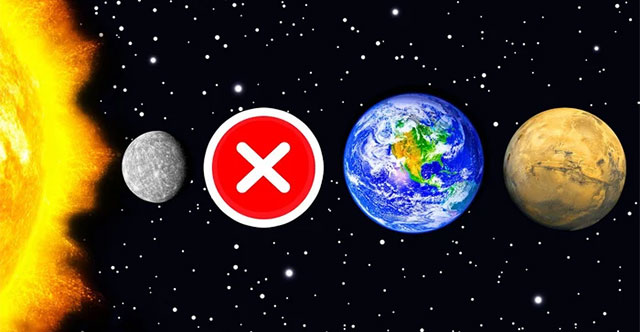
If Mars suddenly disappeared, the first thing Elon Musk would probably have to face is a crowd of confused investors.
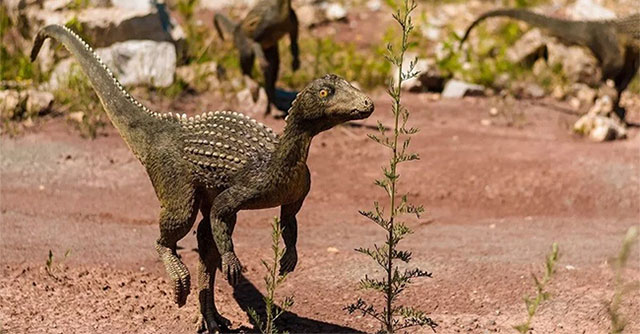
A newly published study has shared the latest evidence about what killed the dinosaurs.
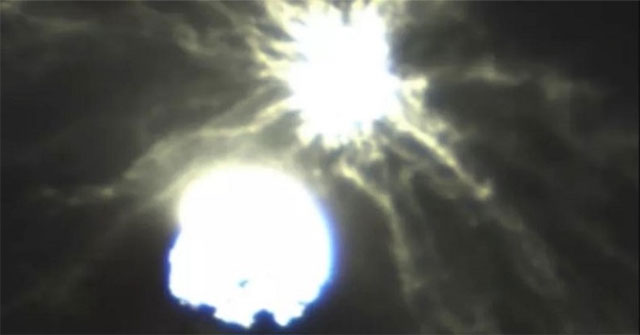
Images from Italian satellites and ground telescopes show the moment the DART spacecraft hit the asteroid Dimorphos and the subsequent impact.
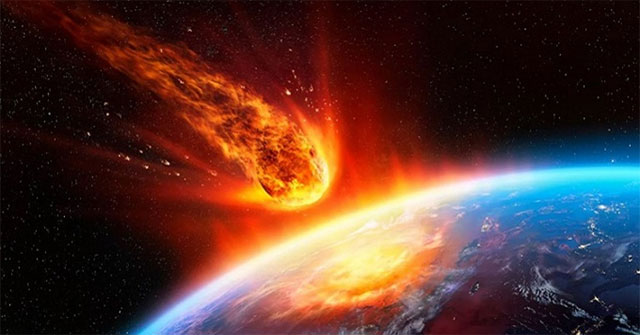
The asteroid that wiped out the dinosaurs 66 million years ago created a kilometer-high tsunami in the Gulf of Mexico, according to a study published on October 4 in the…
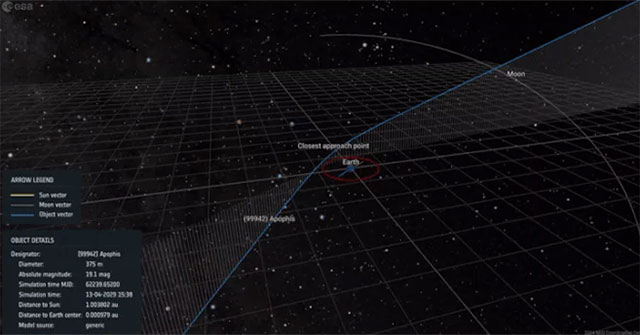
According to the latest observations and calculations, there is still a certain risk that asteroid Apophis will change its orbit and hit Earth in 2029.

To ensure no contamination of the sample, NASA had to approve the tools used in opening the capsule.

Two jammed locks that prevented NASA from retrieving priceless asteroid samples have finally opened after a months-long process.

Scientists were thrilled when they opened the asteroid sample container of the OSIRIS-REx probe.
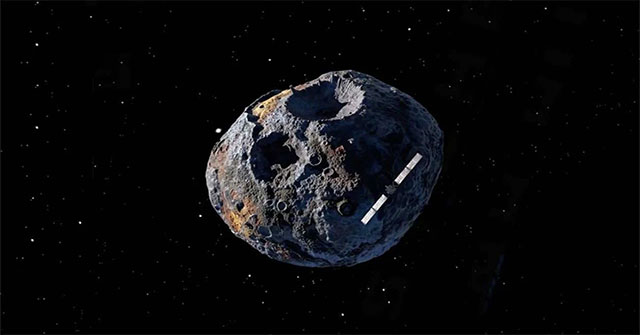
The asteroid Psyche is considered a valuable resource, with huge amounts of gold and diamonds worth 70,000 times the world economy.

Something even more terrifying than the giant space rock Chicxulub may have existed on Earth, forming
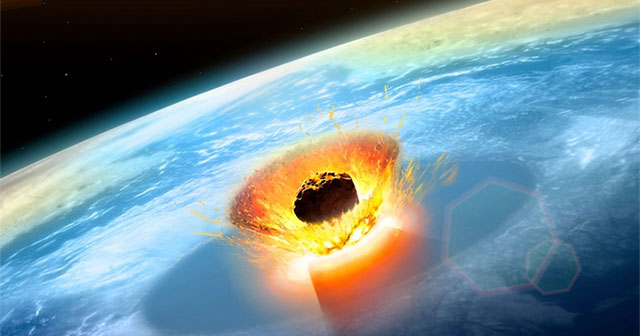
In 1,000 years, no asteroid larger than a kilometer will hit Earth, but there may be smaller ones.
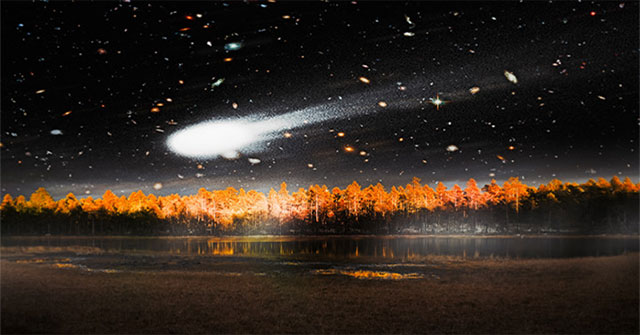
The Tunguska event remains the most powerful explosion ever recorded. It released 185 times the energy of the atomic bomb dropped on Hiroshima.

New NASA research shows that our Moon is constantly wandering on its own axis due to the constant bombardment from space.