Medicine - Health
Published to the world how to treat new cancer
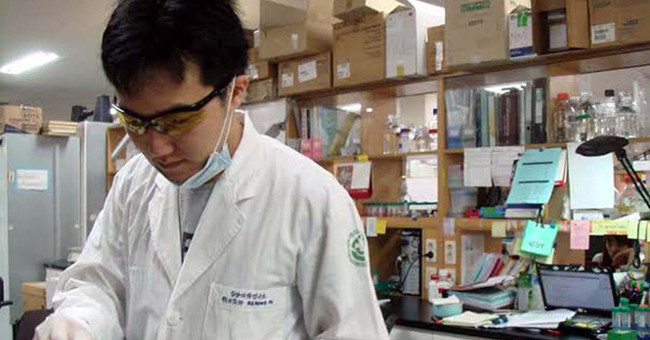
During the past 10 years, Dr. Nguyen Hong Vu (34 years old, alumnus of Ho Chi Minh City University of Natural Sciences) has devoted a lot of attention to studying the di…
Browse ScienceInfo articles and explainers related to Cancer.
2,481 published items.
During the past 10 years, Dr. Nguyen Hong Vu (34 years old, alumnus of Ho Chi Minh City University of Natural Sciences) has devoted a lot of attention to studying the di…
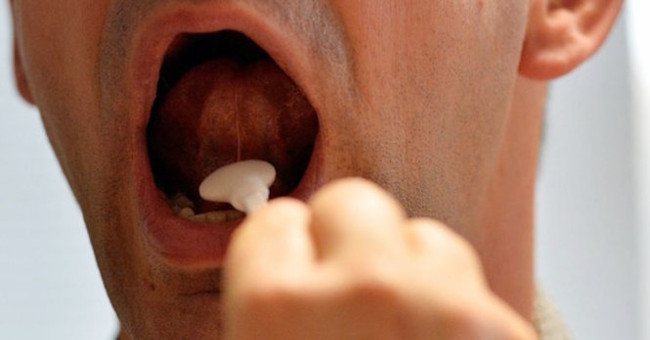
The method of American scientists is expected to create a revolution in early diagnosis of cancer in the next few years.
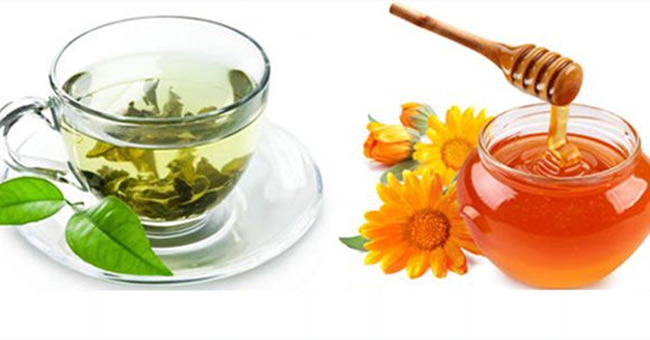
Green tea is increasingly becoming a popular drink in many people's daily lives.
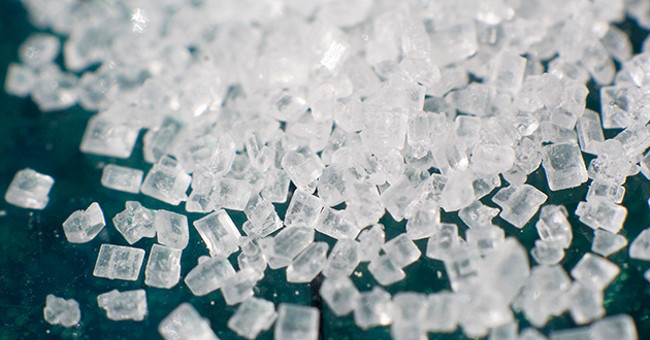
Saccarin and Cyclamate have been banned in the US in the 1970s because of cancer in mice
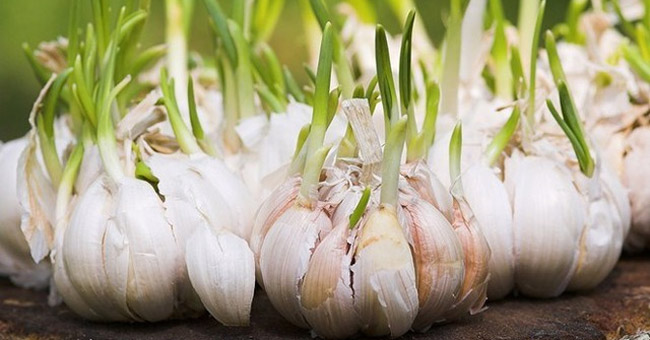
Normally, sprouting fruits mostly produce toxins and are thrown away. However, sprouting garlic has many health protection effects.
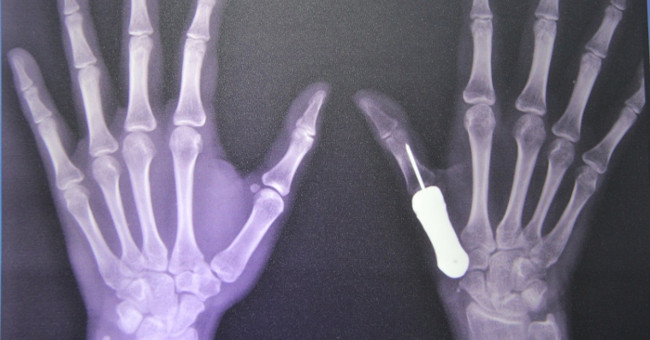
A Thai cancer patient has just received a thumb implant from titanium material instead of regular bone thanks to 3D technology.
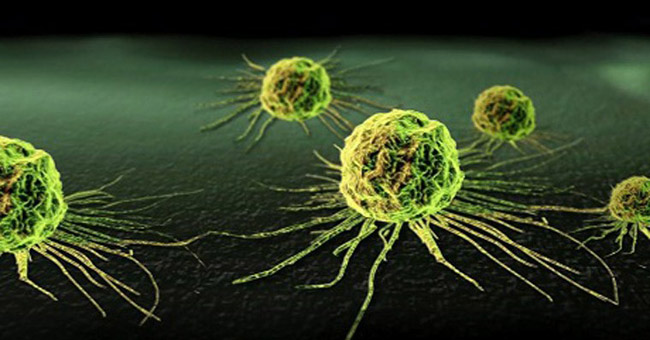
Cancer cells can be spread from person to person through blood contact, such as blood donation or sharing needles, even from mother to child during pregnancy.
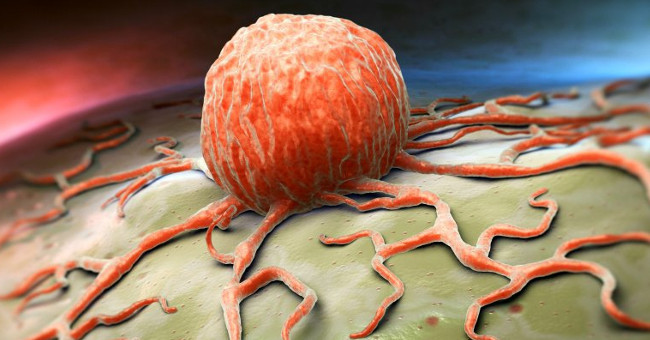
Severe side effects such as hair loss, diarrhea and muscle cramps will be much less severe.
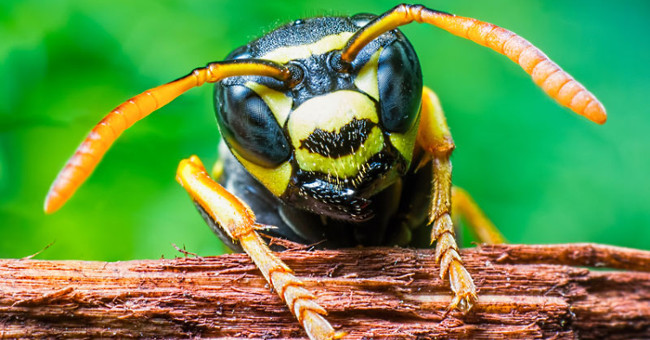
Hornets are too famous for the dangers from their venomous sting.
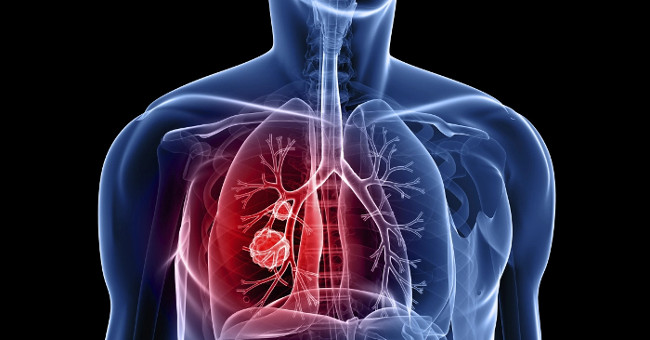
In the past, people did not live long and medicine was not developed enough to identify cancer; today the lifestyle and longevity make the disease popular

A tumor that has formed somewhere can be detected even if it is too small to cause symptoms. This is considered a breakthrough technology, both invested by Jeff Bezos an…
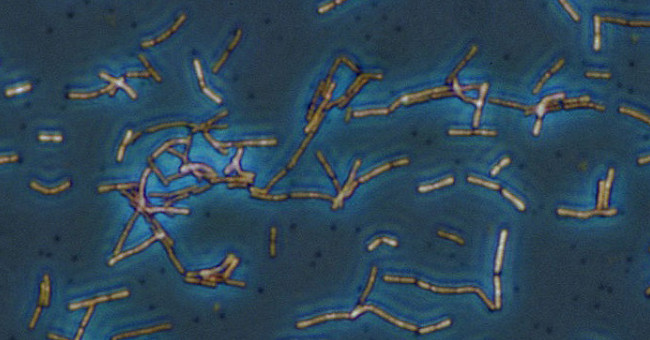
The type of natural preservative nisin has been discovered by scientists to be able to kill cancer cells and some antibiotic bacteria.

Stopping alcoholic beverages for a month, you will work 17% more effectively, liver fat will decrease by 15% and weight will decrease by 2%.
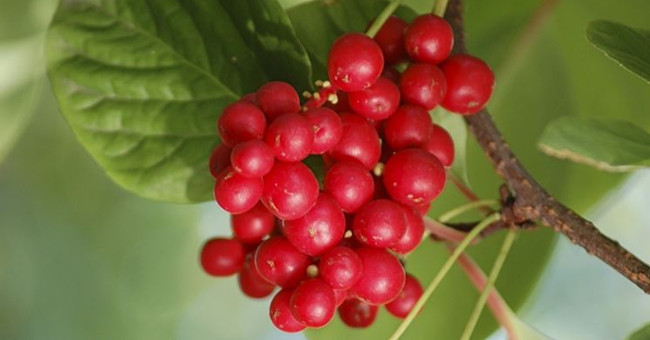
Pentecostals, cordyceps or blue-necked giraffes are used to cure diseases thousands of years ago, still up to now.

Many people have a habit of waiting until the oil is really hot and fuming to begin cooking food; In fact, the oil temperature has risen to 200 degrees Celsius, for food…