
Archeology
Many Chinese dynasties collapse because of the climate
For nearly two millennia, cold weather caused many invasions, civil wars in China and led to the demise of dynasties like Tang and Ming dynasties.
Browse ScienceInfo articles and explainers related to Chinese.
1,117 published items.
For nearly two millennia, cold weather caused many invasions, civil wars in China and led to the demise of dynasties like Tang and Ming dynasties.
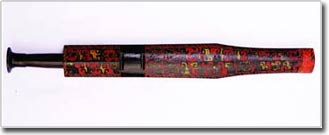
Archaeologists have discovered an ancient tomb in east China, the 2,500-year-old tomb contains nearly 48 victims of human sacrifices and other precious relics, so it has…

Chinese archaeologists are studying ancient stone sculptures they claim are evidence that Chinese writing appeared 8,000 years ago.
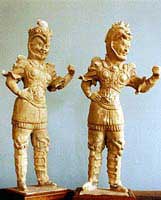
Archaeologists in northwestern Shaanxi province discovered a tomb some 1,300 years ago in Tongguan county, and excavated a large number of precious creatures in the tomb…
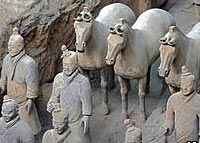
Archaeologists study the tomb of the first Chinese emperor said Qin Shihuang may have been buried with the national treasure. The area scanning technique revealed a larg…
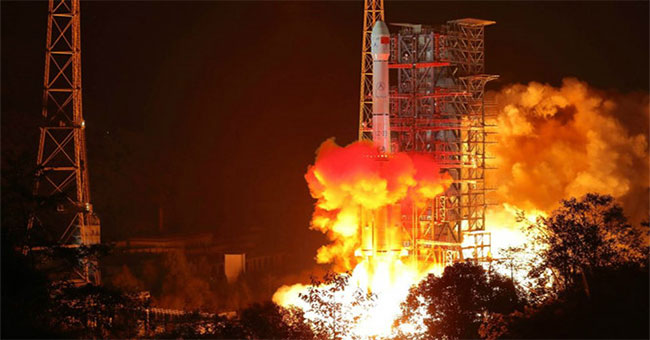
In the morning of December 8, China launched missiles to space on the spacecraft to perform the task of exploring the dark areas of the Moon.
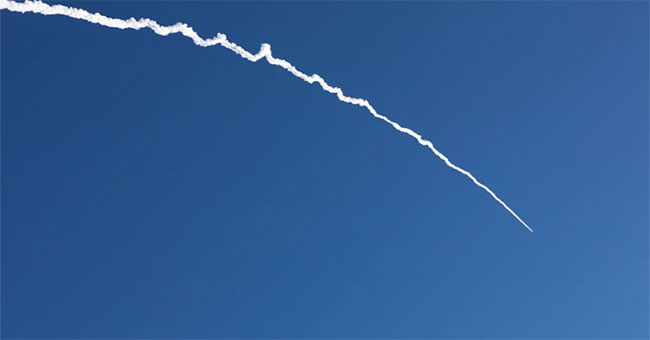
Less than a minute after leaving the launch pad, the ZQ-1 3-stage rocket, the first rocket developed by a Chinese private enterprise, fell to the ground.
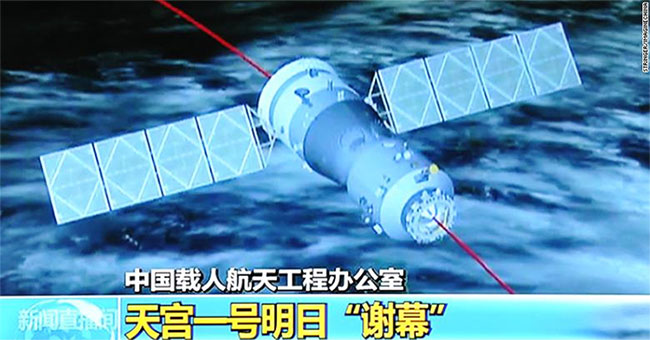
The Chinese National Space Agency announced that the Thien Cung-2 space station would return to Earth in July 2019 and be destroyed under control.
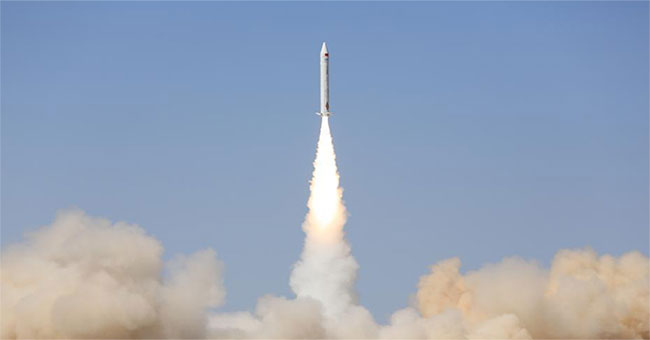
Chinese media reported that the SQX-1Z rocket was launched from the launch site of the Jiuquan Satellite Center, Gansu Province, northwest of China last week.

Larger than the space station Mir Russia 140 tons, Thien Cung will include a core module and two lab cabins, large enough to accommodate 3 to 6 astronauts.
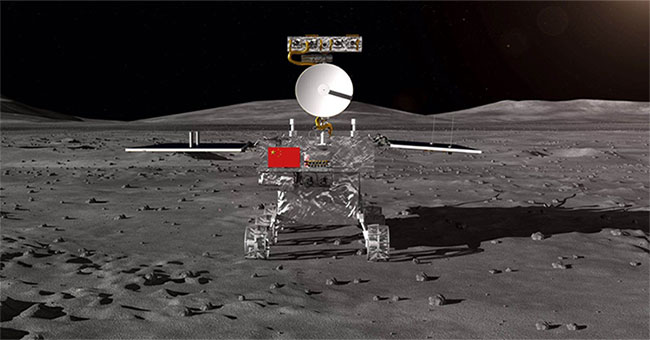
On August 15, China announced images of lander and self-propelled vehicles serving the Hang Nga-4 project - expected to land in the dark areas of the Moon this year.
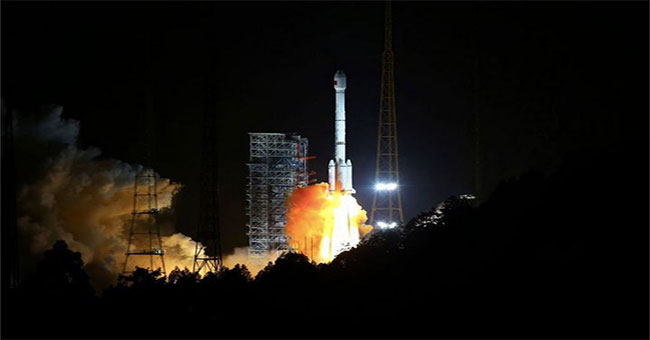
A Chinese rocket recently unfortunately fell near the populated town of Niuchang after leaving the launch pad not long ago.
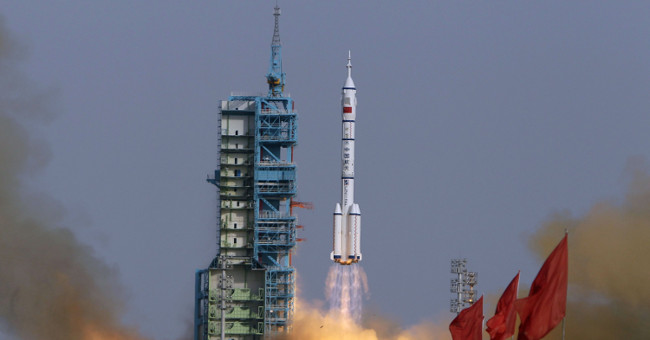
China announced a plan to bring the new space station into orbit in the next few years, Newsweek said on May 31.
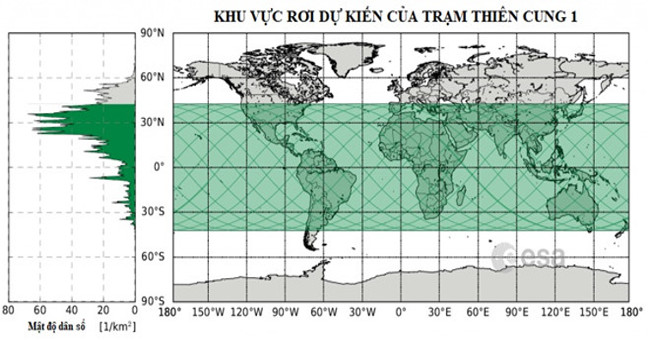
In the announcement on the night of March 31, European Space Agency ESA predicted Thien Cung 1 space station will fly into the Earth's atmosphere around 6:00 am on April…
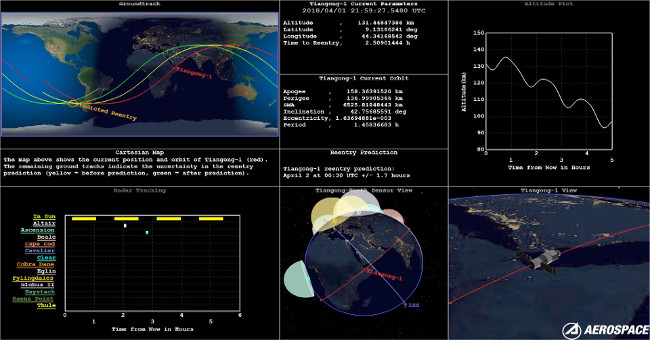
At 7:30 on April 2 (Vietnam time), the Chinese space station falls at a speed of about 26,000 km / hour and enters the atmosphere at an unspecified coordinates.