Doomsday
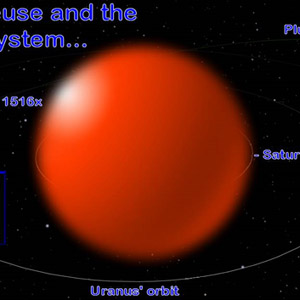
Coming to the 2nd sun, the world is about to end?
The second largest star in the constellation Orion - Betelgeuse will likely turn into a second sun before 2012, making many people think of the prophecy of
Browse ScienceInfo articles and explainers related to Constellation.
287 published items.
The second largest star in the constellation Orion - Betelgeuse will likely turn into a second sun before 2012, making many people think of the prophecy of
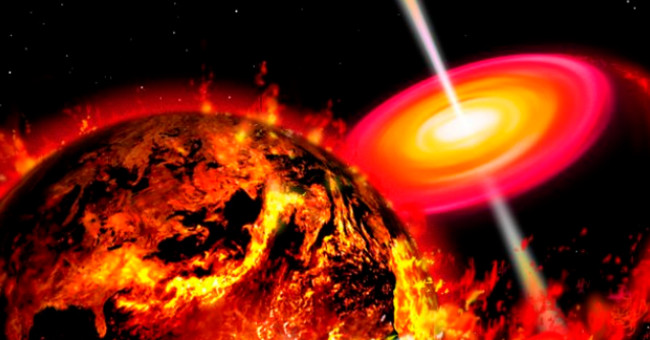
Meade argues that on April 23, the Sun, Moon and Jupiter will converge on the constellation Virgo, marking the day of the Earth's destruction.
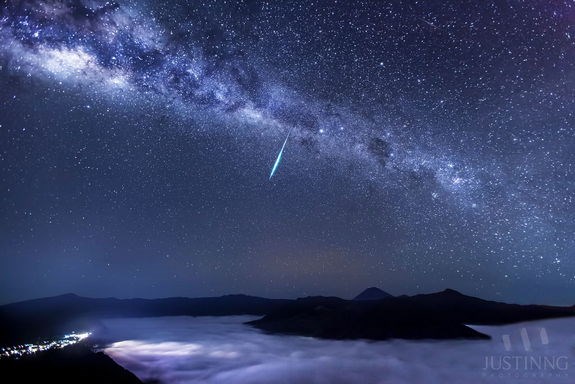
The medium-sized meteor shower called Eta Aquarids will peak on May 5-6.
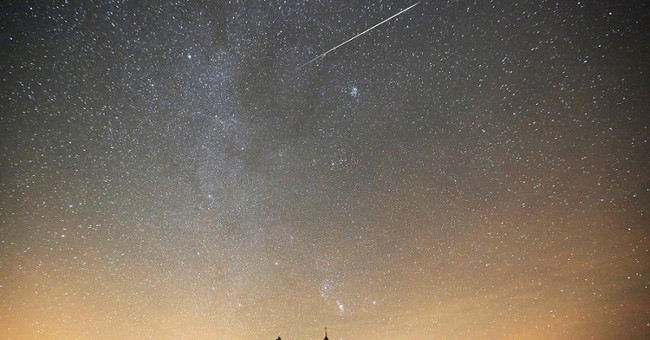
Astronomers all over the world record spectacular scenes when Geminid meteor shower peaks on December 13-14.
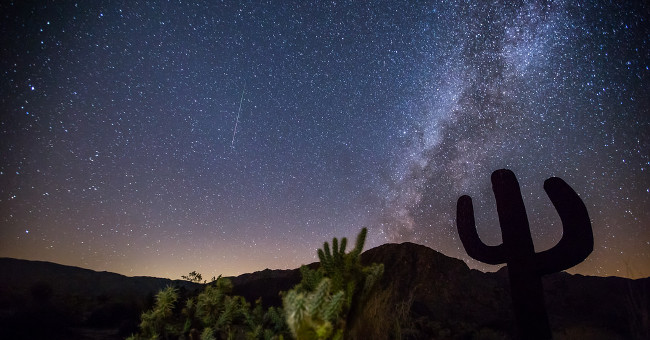
The annual Delta Aquarids meteor shower has just peaked in the morning of July 29. This is a small meteor shower with about 20 ice stars per hour from the constellation…
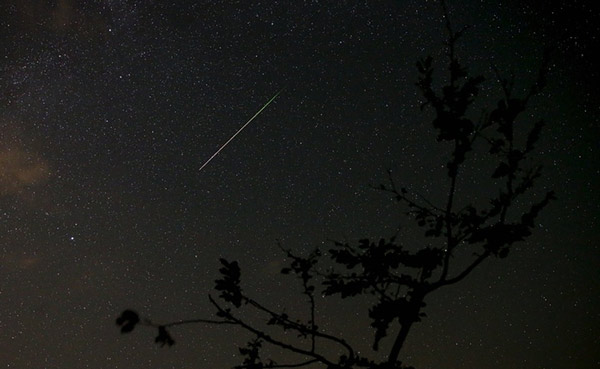
Admire the latest images of the Perseid meteor that appeared last night (August 12) in the sky of Europe
The rose-shaped nebula is one of the most impressive astronomical images of the week.
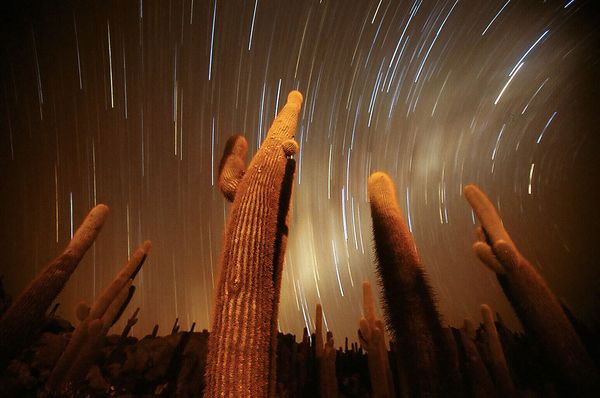
Look back at the most beautiful and outstanding photos selected by National Geographic last week.
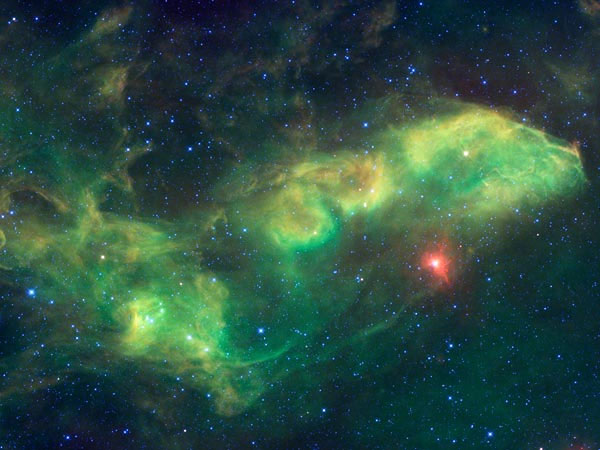
Astronauts returned safely from ISS, super typhoon on Saturn, successfully built the black hole Cygnus X-1, .. the most beautiful cosmic figures of the past week.
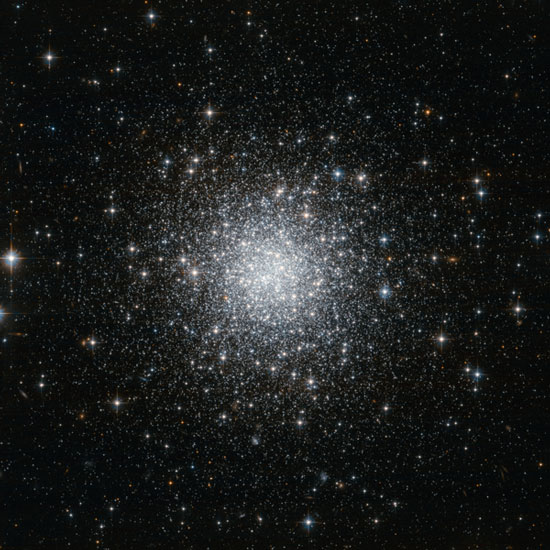
The gas emits bright lights in the nebula, the formation of stars, Saturn's satellites are beautiful scenes of the universe during the week.

Hundreds of stars glowing blue, wheel galaxies, butterfly-shaped nebulae are the most beautiful cosmic photos this year.
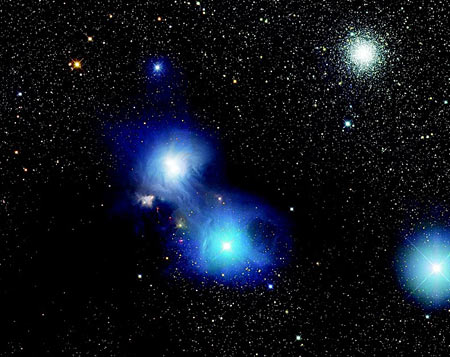
The horse-shaped nebula, blue comet, aurora in the sky are brilliant images of the universe. These photos are posted on the Daily Mail page.
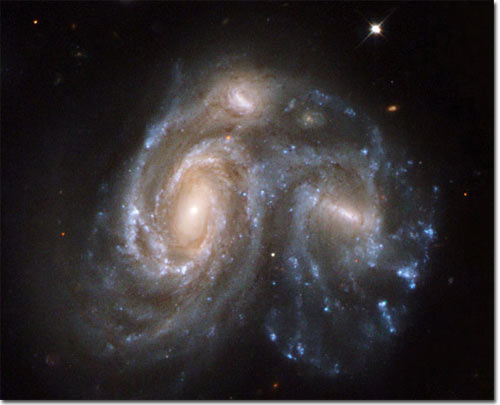
NASA has just announced the largest set of images taken by the new Hubble observatory, showing that the galaxies in the universe are constantly colliding and in many str…
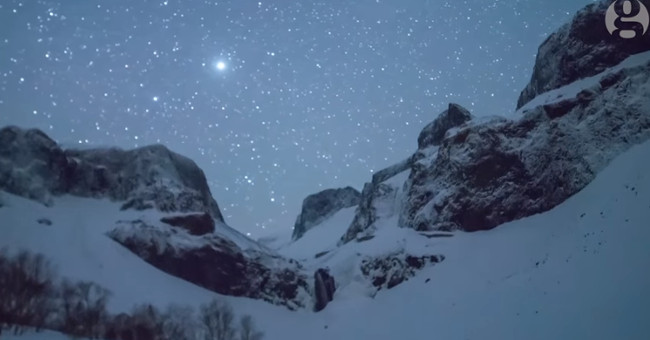
Lyrids meteor shower gleamed the night sky over the Changbai Mountain range in Jilin Province, northeastern China.
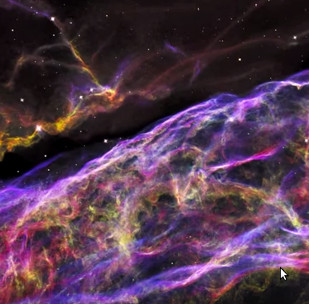
The Hubble Space Telescope of the US Aeronautics Agency (NASA) photographed the debris of a giant star that exploded 8,000 years ago.