Archeology
Detecting dinosaurs one finger
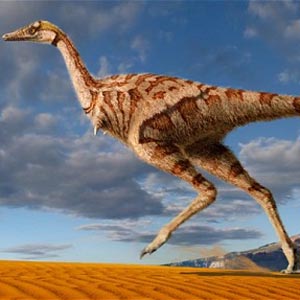
Fossils of dinosaurs have only one finger on each hand, with a large claw, which has been discovered in China.
Browse ScienceInfo articles and explainers related to Dinosaur.
878 published items.
Fossils of dinosaurs have only one finger on each hand, with a large claw, which has been discovered in China.
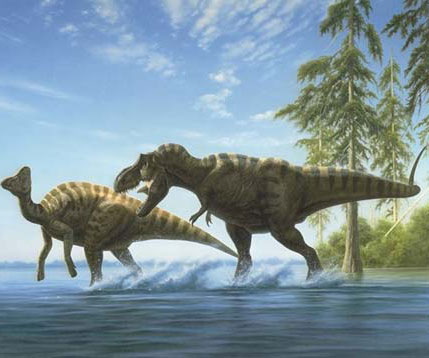
The size of mammals has increased 1,000 times after the extinction of dinosaurs on Earth, according to research results ...
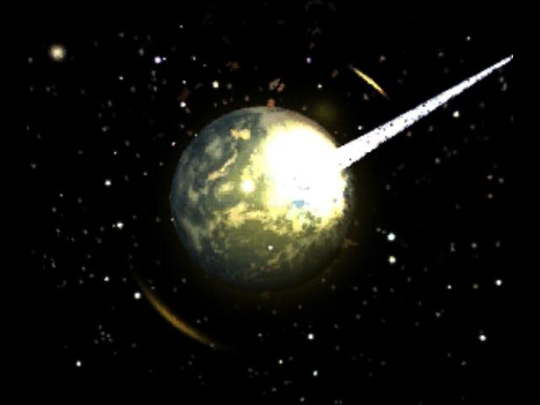
Most likely, the influence of extraterrestrial power has reduced the reproductive capacity of dinosaurs and went to extinction.
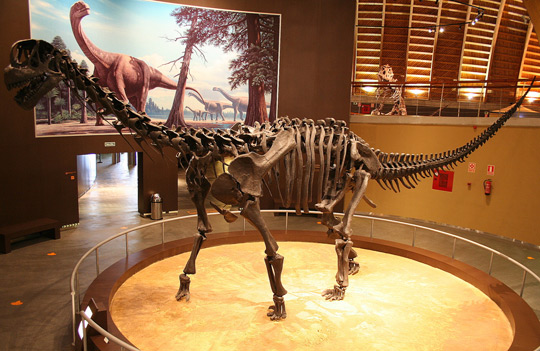
Chinese and American archaeologists found about 60 fossil populations of dinosaur footprints at Ma Lang Mountain in China.
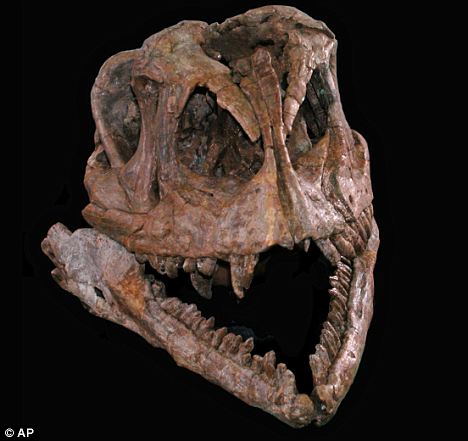
Scientists at Texas Tech University have discovered a complete fossil of a dinosaur believed to be the ancestor of the largest herbivorous dinosaur on Earth.

Scientists have discovered the most complete dinosaur fossil ever in China, with a length of about 9m.
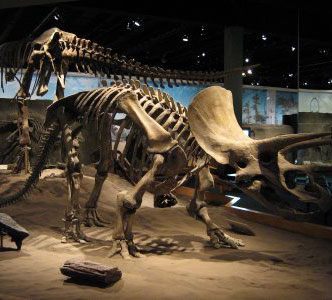
Canadian archaeologists discovered well preserved embryos of dinosaurs living 190 million years ago.
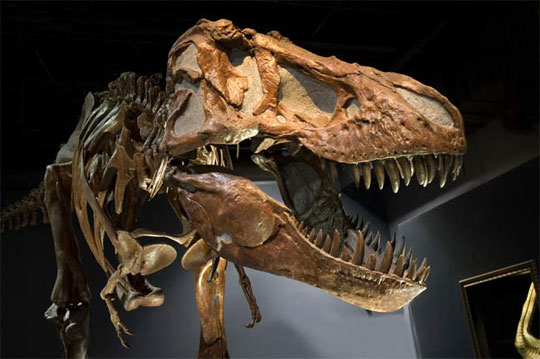
French scientists claim that the stone site area in Angeac-Charente is the largest dinosaur fossil mine in France.
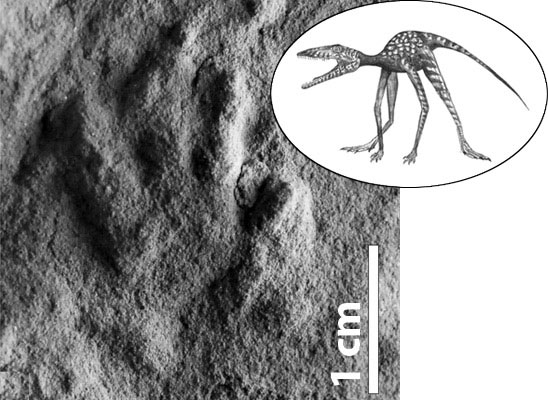
A cat-sized, three-footed creature that once existed on Earth first appeared about 250 million years ago and can evolve into a tyrant, bird of prey Velociraptor
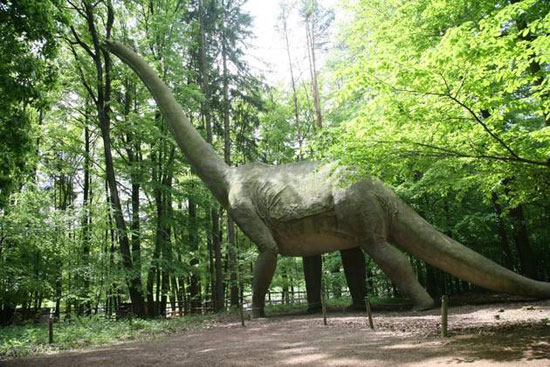
Previously, scientists always believed that Chicxulub crater craters in the Gulf of Mexico were the result of a collision between Earth and Chicxulub and it was this imp…
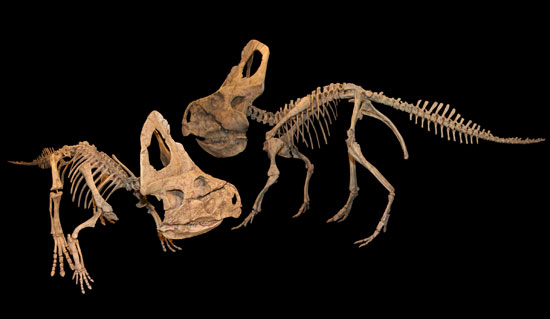
Chinese scientists have unearthed the new species of Ceratopsidae dinosaur fossil in Zhucheng City, Shandong Province of the country.
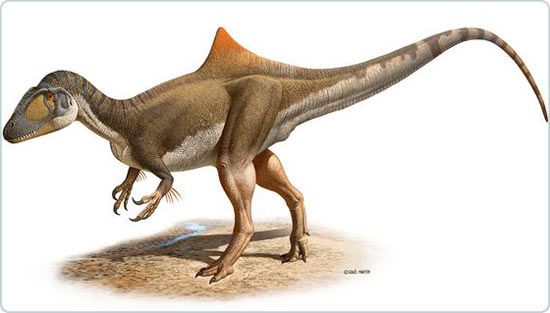
Scientists have discovered fossils of carnivorous humpback dinosaurs - named Concavenator corcovatus - in an area near the city of Cuenca in western Spain.
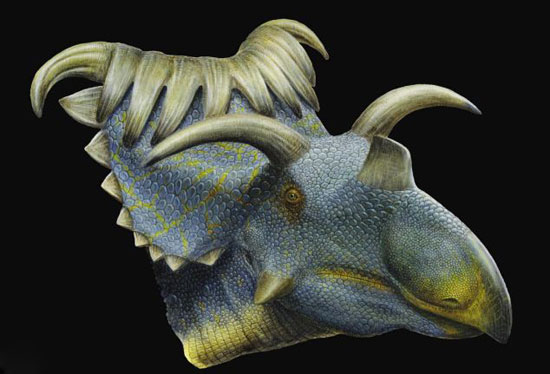
Scientists have discovered fossils of two herbivorous dinosaurs living in southern Utah (USA), about 68 to 99 million years ago.
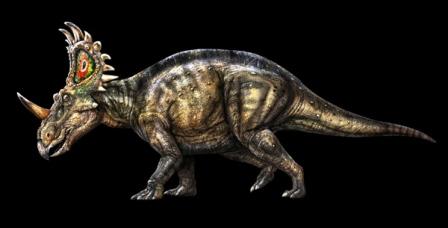
The discovery may cause scientists to rewrite the hypotheses about the diversity of species and the adaptation to the dinosaur environment.

Scientists have discovered traces showing that the eggs of some dinosaurs are placed in their mother's hot water circuits.