
Medicine - Health
Eating too salty is prone to cardiovascular disease and stroke
Consuming an additional 1 tablespoon of salt (5g) a day increases the risk of stroke by 23% and increases the risk of cardiovascular disease by 17%.
Browse ScienceInfo articles and explainers related to Health.
3,710 published items.
Consuming an additional 1 tablespoon of salt (5g) a day increases the risk of stroke by 23% and increases the risk of cardiovascular disease by 17%.

After conducting experiments on mice, four research groups identified adipose tissue inflammation easily leading to diabetes in obese people.

Rarely, the side effects of a drug make people feel good, but the Acide zolédronique (Aclasta, Zometa) is an exception.

A study published by Norwegian scientists shows that using folic acid in combination with vitamin B12 increases the risk of cancer.

People with high blood pressure must always adhere to strict diet and exercise to maintain health.

About 90% of cancers are caused by the external environment. In which, about 40% related to eating habits, food spices and cooking methods.

Scientists have found more and more evidence of the importance of Vitamin D in the development of multiple sclerosis (MS).

Master Bui Quoc Anh decided to study the topic of the Clenbuterol (test) rapid detection kit (weight gain substance, increasing leanness) in cattle and poultry meat.

Expected early next year, anti-virus drugs H1N1, H5N1, SARS produced by Vietnam will be available on the market, lower prices Tamiflu 4 - 5 times.

Health experts in Canada are considering using genetically modified soybeans to produce Omega-3 fatty acids.

A well-balanced diet can help maintain a healthy body even in old age. According to scientists, nutrition is 'weapon' that helps prevent many diseases.

Now there is much evidence that sneezing can cause serious injuries, even death.

Drinking 8 cups of tea a day will benefit your health in many ways, such as helping to fight heart disease, improving brain health and longevity, a new study in the UK c…

Scientists at Duke University Medical Center (USA) have discovered two antibodies 2F5 and 4E10 have mechanisms to prevent transmission of HIV.
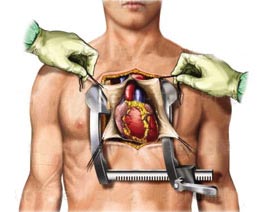
Instead of using steel wire to re-attach intentionally broken sternum during thoracotomy, Canadian experts have found a more effective method of healing, that is to use…