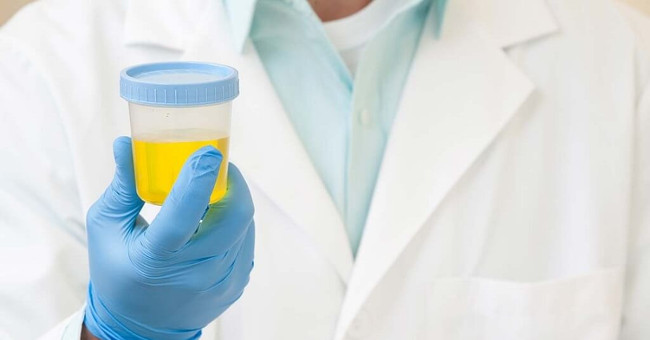
Medicine - Health
Develop methods to store blood and urine without chilling
Researchers at Washington University in St. Louis Louis found that storing samples in small metal-organic hybrid structures could be an alternative to cold storage.
Browse ScienceInfo articles and explainers related to Organic.
278 published items.
Researchers at Washington University in St. Louis Louis found that storing samples in small metal-organic hybrid structures could be an alternative to cold storage.

More and more consumers are not only buying food at the nearest grocery store, they find organic supplies.

Sweat is usually produced by the eccrine glands. Of which, 98-99% is water, in addition to organic and inorganic substances such as mineral salts, lactic acid and urea.

Organic foods that do not use chemicals, growth hormones, genetic modification materials ... should be popular.

You have heard controversies about genetically modified food (GMO) and even though they are claimed to be safe to eat at the table, but behind the story of GMO is much m…

When the thermometer breaks, collect pieces of metal and mercury particles by using a wet cotton pad or thin paper placed close to the ground to scoop up the mercury and…

The nature of acid-induced burns is a highly reactive acid reaction with organic substances on the human body.

Scientists are working on developing a computer that can connect human brains to one another. If successful, this will be one of the effective support solutions for trea…

Harvard University experts say that consuming a lot of organic foods such as crop products and pet products will help increase sperm count by twice.
Some food packaging contains toxic chemicals related to cancer and fertility, a new study has warned.

Children may inadvertently be exposed to large amounts of harmful chemicals emanating from the foam mattress used to sleep, according to a new study.

It is Nonylphenol Ethoxylates - organic chemicals that can disrupt the animal and human body hormone structure.
The largest-scale study ever in the United States found that fresh milk, especially organic milk, has twice as much fat as heart-healthy fat than regular milk.
Experts in different areas will not eat certain foods, because they know they are full of chemicals and toxins due to growing or processing.