
Space science
What Are Exoplanets?
Exoplanets are planets beyond our solar system. They range from small rocky worlds to giant planets and can orbit stars very different from the Sun.
Browse ScienceInfo articles and explainers related to Planet.
2,875 published items.
Exoplanets are planets beyond our solar system. They range from small rocky worlds to giant planets and can orbit stars very different from the Sun.
Astronomers usually detect exoplanets indirectly, by measuring how a planet changes the light, motion, or gravitational behavior of its host star.
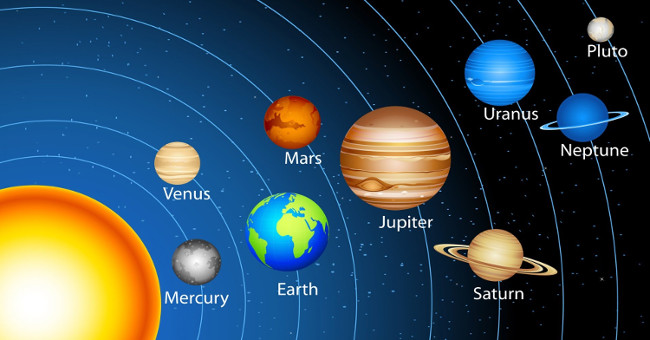

The presence of water on the Moon is giving NASA scientists a new direction for plans to send the first woman to the planet.

There are even some rare flowers that no one has been able to put a price on.
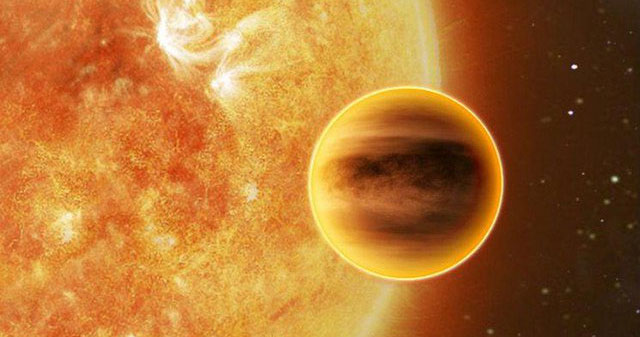
We all know the terrible consequences of a comet colliding with Earth. But what would happen if Jupiter crashed into the Sun?

As the only highly intelligent life form in the Solar System, humans have existed on Earth for 5 million years.
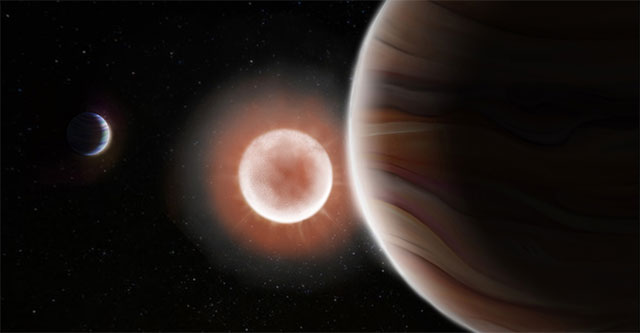

This animal, characterized by a single horn, was once found throughout northeastern India and southeast Asia.
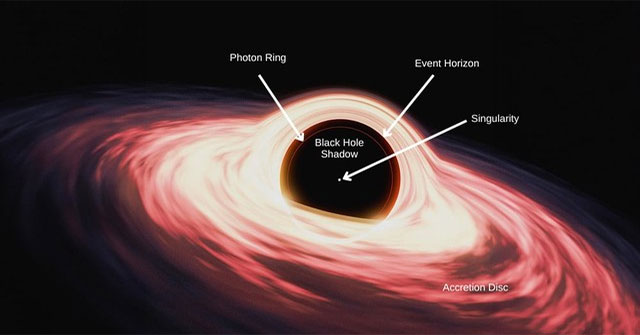
The area of gravitational influence around planets, stars, and black holes is spherical because it pulls equally in all directions.

According to the official website of Guinness World Records, Centauri honey from Türkiye is the most expensive honey in the world.
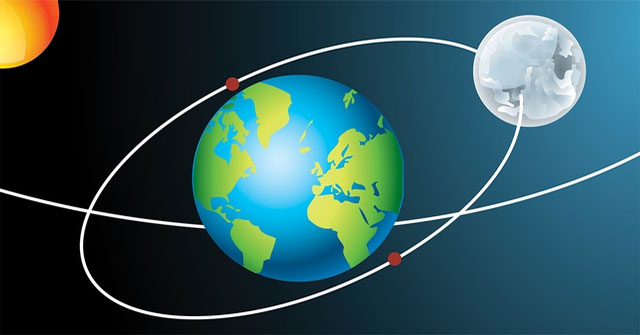
The Moon is the Earth's only natural satellite. In fact, the Moon orbits the Earth at a steady speed of about 1km/s.
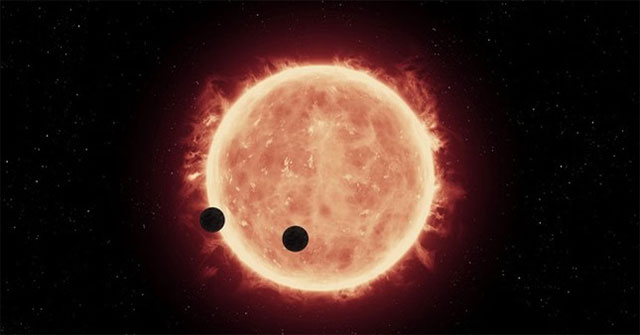
We know that one in five stars has an Earth-like planet. There are 200 billion stars in our galaxy alone.
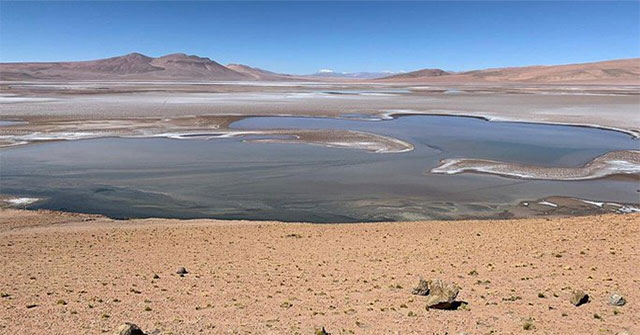
A planet has just been confirmed as being as promising a place for the origin of life as the early Earth, if not more so.
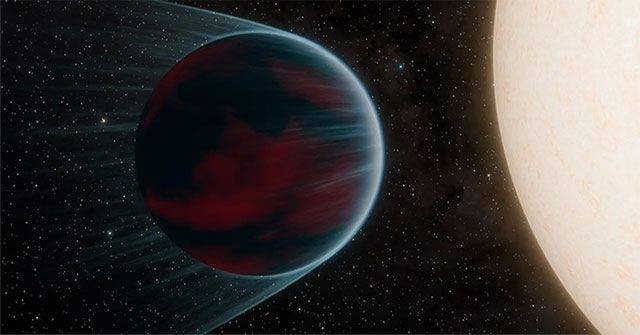
TOI-3261b is located in the constellation Hydrus and belongs to a class of planets that were thought impossible to form.