Space science
Russian launch project
In Russia, work began in the framework of cooperation with Europe
Browse ScienceInfo articles and explainers related to Proton.
91 published items.
In Russia, work began in the framework of cooperation with Europe

Vice President of the Russian Federal Space Agency (Roscosmos) Alexander Lopatin said Proton-M boosters were blown up due to unusual activity of angular velocity sensors…
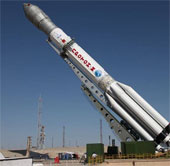
According to RIA Novosti, the Proton-M space boosters carrying DM-03 and three positioning satellites of the GLONASS-M system fell in the first minute after being launch…
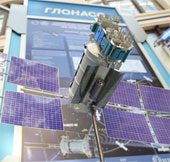
Russia is planning to launch four more satellites in its Glonass global positioning system in the last months of this year, RIA Novosti reports from Russia's Aerospace A…
In July last year, physicists from the European Atomic Research Organization (CERN) announced they had found a particle with the same characteristics as the Higgs partic…
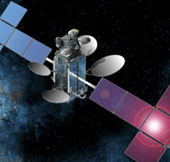
The Russian Federal Space Agency Roscosmos said that the country on November 20 launched a communications satellite into orbit with proton-M boosters.
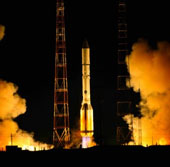
The 'Proton-M' rocket was launched from Baikonur space airport carrying Russian satellites 'Luch-5B' and 'Yamal-300K'. Representatives of Roskosmos this launch was made…
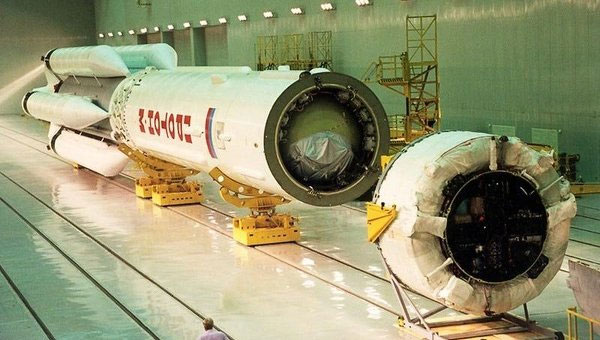
The Russian Space Agency (Roscosmos) on September 10 said it would error all Briz-M propulsion engines after one of these engines was thought to have caused a failure in…
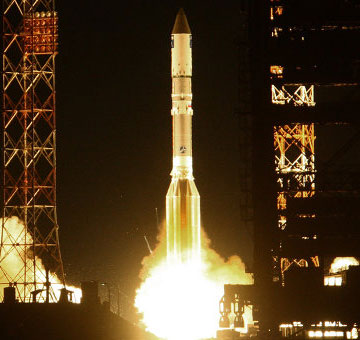
On August 7, Russian federal space agency Roscosmos said the Russian rocket of Proton-M failed to put two telescopes on orbit due to the missile's upper floor malfunctio…
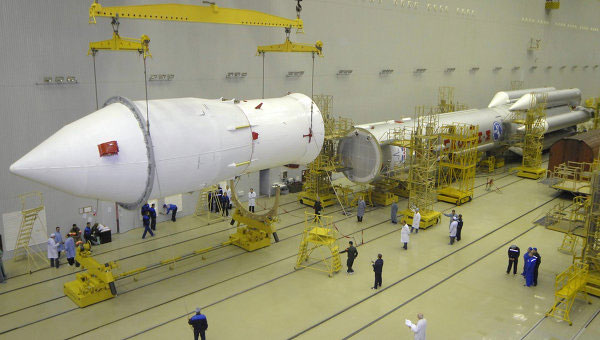
The Russian Space Agency (Roscosmos) will halt the launch of the Proton-M rocket with the Briz-M propulsion system after the missile fails to put two telescopes on orbit…
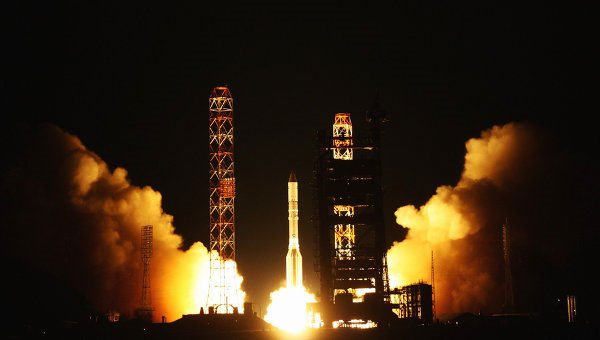
On February 15, the Russian federal space agency (Roscosmos) said that the Russian proton-M rocket carrying the Dutch SES-4 (NSS-14) satellite was launched from the Cent…

The Proton-M rocket will bring SES-4 satellites, the largest and most powerful satellite among SES satellites into orbit.
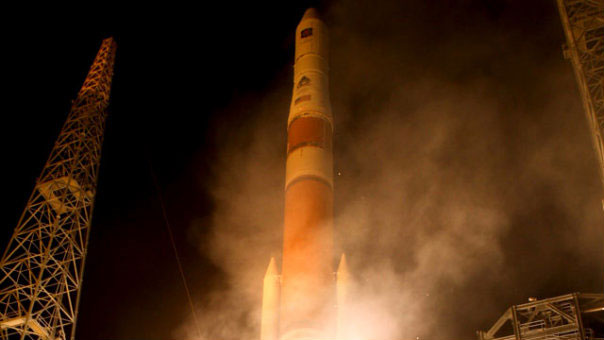
Space agency Roscosmos said Russia on December 11 launched two contact satellites with Proton-M rocket from the Baikonur space center in Kazakhstan.
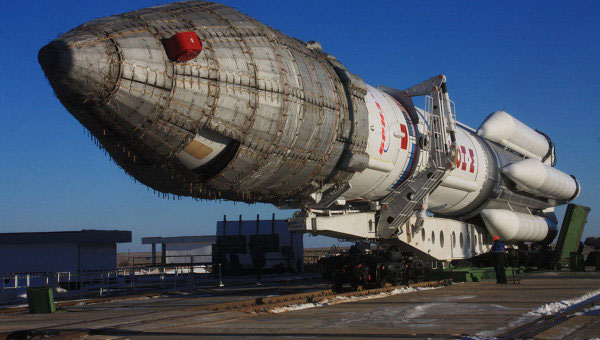
On November 25, 2011, Russia's Proton-M rocket launched satellite communications
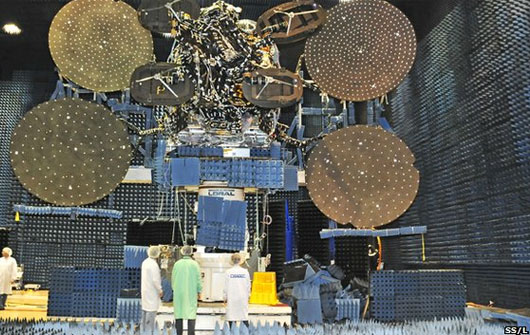
Viasat-1 broadband satellite, one of the most powerful satellites ever developed, has joined the trajectory on Russian proton boosters.