Environment
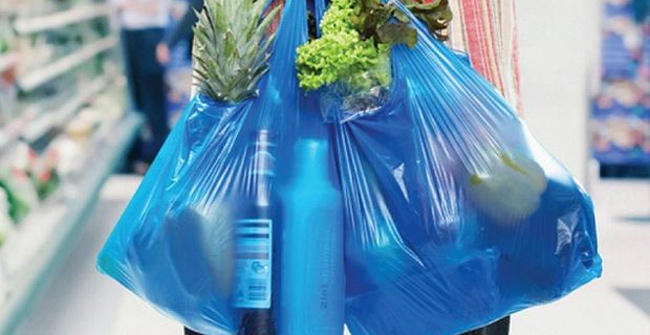
The first Latin American country banned the use of nylon bags
All commercial businesses in Chile will have a period of 6 to 24 months to completely eliminate the use of nylon bags.
Browse ScienceInfo articles and explainers related to Bag.
188 published items.
All commercial businesses in Chile will have a period of 6 to 24 months to completely eliminate the use of nylon bags.

The work of Michael Wolovick - a postdoctoral graduate student of Princeton University promises to go further.
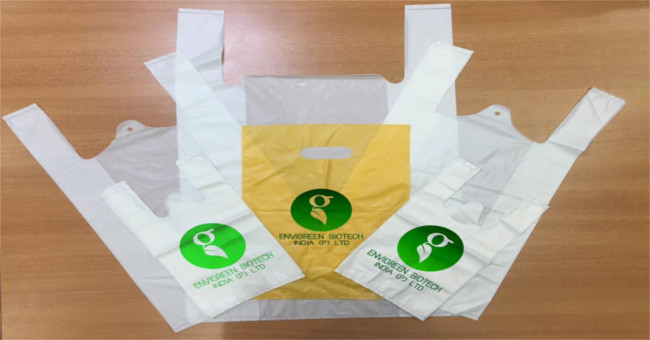
Many cities in India have restricted or banned the use of plastic bags completely, which has been welcomed by those interested in the environment.

In a leaked document, Apple said it would stop using plastic bags at its stores from mid-April to protect the environment.

The European Parliament has voiced support for a draft plan to cut 50% and 80% of nylon bags in 2017 and 2019 respectively, compared to 2010.

According to a survey of 100% of Hanoi people asked that they still use plastic bags in their daily activities, many others are completely unaware of the harmful effects…

Every holiday season, people give each other gifts and a large amount of gift wrapping paper is released into the environment.

A very familiar item is a nylon bag that is a serious catastrophe.

The furniture often shakes slightly, the gas escapes from the ground, the ground is higher than the phenomena that occur on the Greek island of Santorini after the magma…

Hanoi Women's Union cooperates with Department of Natural Resources and Environment to launch the program


Nylon bags are usually made of polietilen. Lightweight, translucent and low production cost, cheap to almost zero; So, nylon bags are everywhere. But people are increasi…

The European Commission is considering banning the use of plastic bags or imposing taxes on people who use them to reduce the level of environmental pollution.
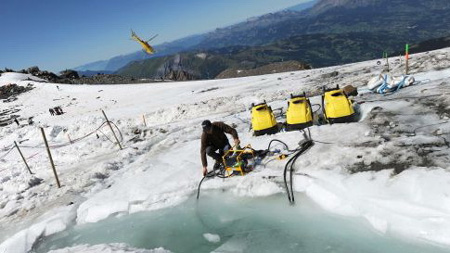
3,000 people in the Saint-Servais valley have just been told about the risk of a giant bag of water under a layer of ice at an altitude of 3200m that could burst and spi…

Scientists at Brazil's Campinas University have introduced a new type of bio-plastic bag that is capable of rapidly destroying itself.