Biology
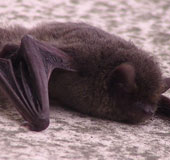
The new strain of SARS is related to bats
Bats may be the source of a new SARS-like virus, which killed a person in Saudi Arabia, according to AFP news agency, a new study published on November 20.
Browse ScienceInfo articles and explainers related to Call.
1,893 published items.
Bats may be the source of a new SARS-like virus, which killed a person in Saudi Arabia, according to AFP news agency, a new study published on November 20.

According to Dailymail, the compound is named cannabidiol
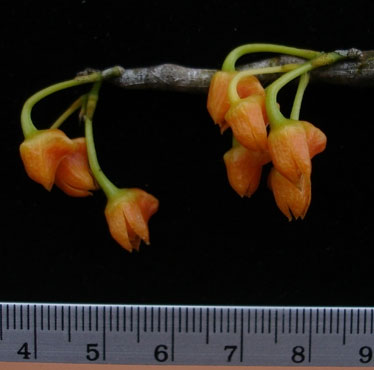
A new scientific orchid called Dendrobium farinatum is recognized as a native orchid species in Vietnam, never before found in any other country and scientists have offi…
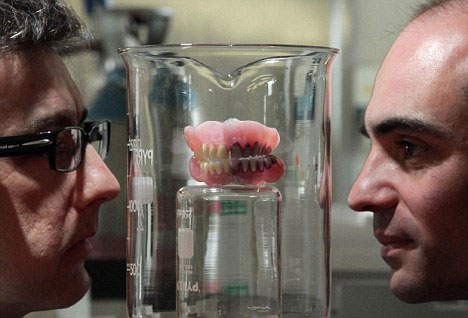
It was a surprising finding by scientists at the University of Newcastle (UK), while they were studying the bacterial strain of marine algae called Bacillus licheniformi…
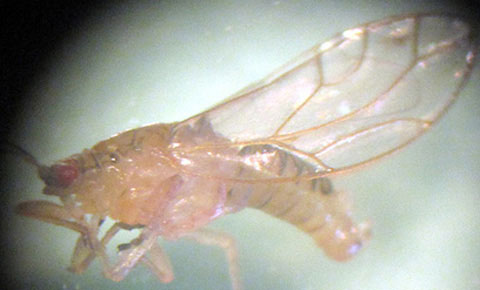
Scientists have discovered new psyllids in Vietnam. This is a species often harmful on black star trees. The new psyllid is called Rioza hopeae, living in most of the so…

This exotic flower originates from equatorial tropical forests in Sumatra Province, western Indonesia, and is technically named Indonesia's Giant Calf Tree (Amorphophall…

Russian scientists discovered new characteristics of red bacteria, called so by bright red, that secrete wound healing substances.

The project is called Eden with the participation of 'brave', Professor Iain Stewart, who is working at Plymouth University. Accordingly, he will live in a closed room w…
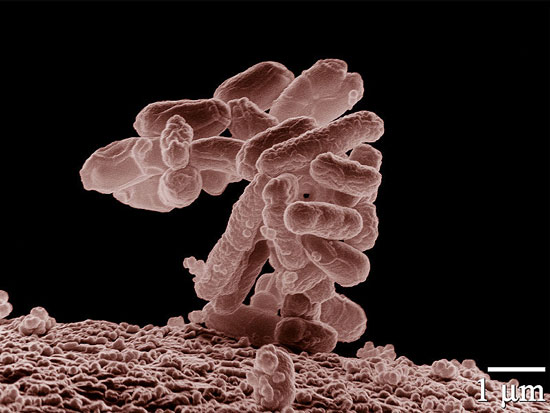
Singapore scientists have redesigned E.coli bacteria to fight P.aeruginosa (also called green pus bacillus).
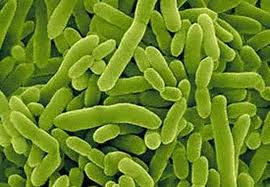
A new bacterium called Pseudomonas putida CBB5, using caffeine as a food source was discovered in a study at the University of Iowa (USA). New bacteria use an enzyme to…
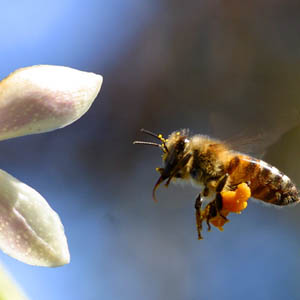
The number of bees around the world is declining at an alarming rate, at the same time calling on the international community to save bees because they are very importan…
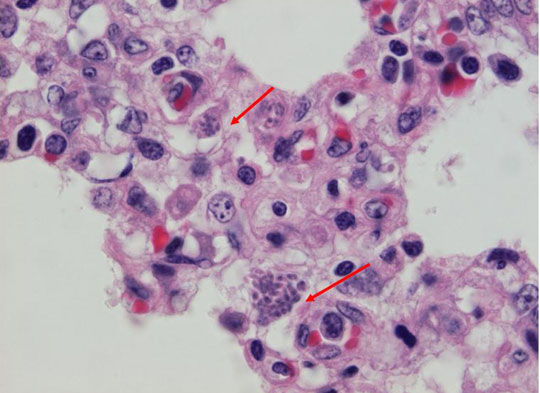
Scientists found the role of ROP18 protein can help parasites form protective membranes when penetrating host cells.


The latest study by Austrian scientists found that a gene called Hedgehog could exert its effect on inhibiting the formation of white fat in animals.