World Heritage
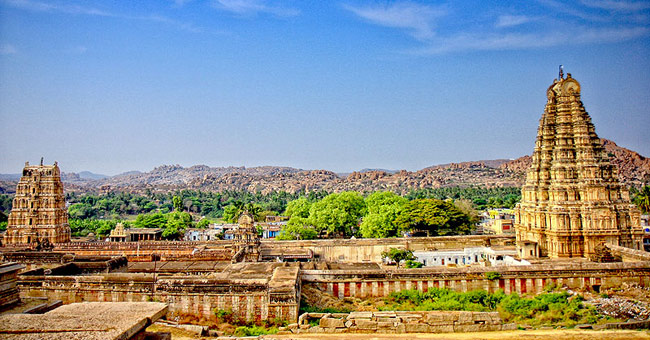
Architectural ensemble at Hampi - India
Unesco's Scientific, Educational and Cultural Organization has recognized the Architectural Complex at Hampi as a World Cultural Heritage in 1986.
Browse ScienceInfo articles and explainers related to Empire.
236 published items.
Unesco's Scientific, Educational and Cultural Organization has recognized the Architectural Complex at Hampi as a World Cultural Heritage in 1986.

Unesco's Science, Education and Culture Organization has recognized the Aachen Cathedral of Germany as a World Cultural Heritage in 1978.
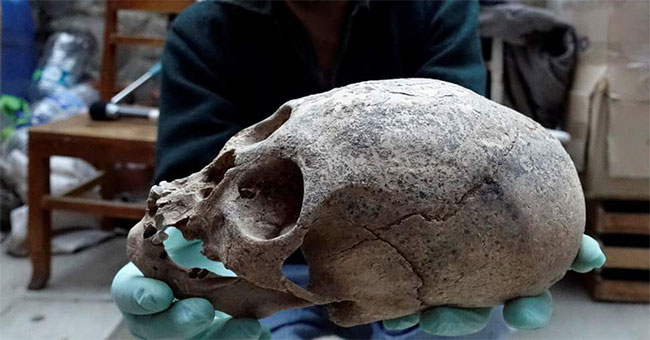
Many remains of skulls have an oddly stretched skull and countless valuable jewelry have been found at a quarry near Bolivia's capital La Paz.
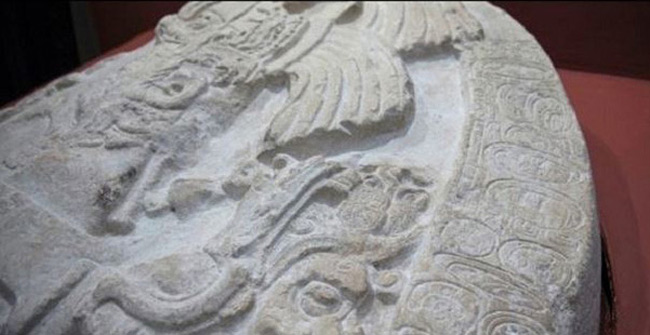
The nearly 1,500-year-old sculpture altar from the Mayan area of 'La Corona', located in the Peten region of northern Guatemala, is on display at the National and Ethn…
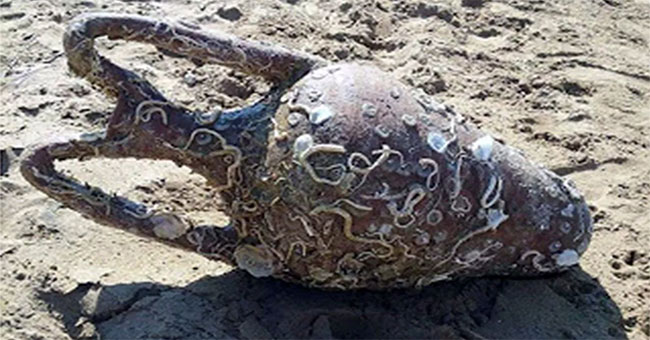
Admittedly, any surprises can happen during a vacation. That's exactly true of Heraklio's story, a male tourist who stays at Crete, Greece.
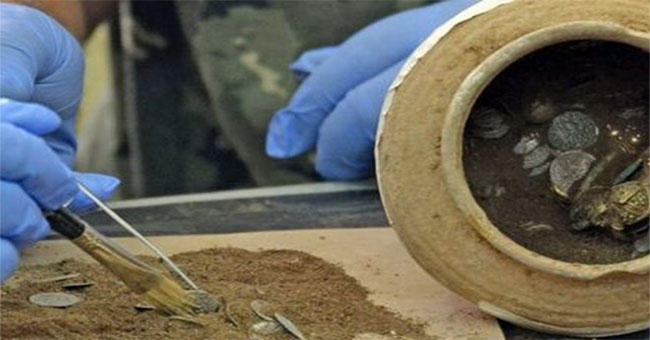
Bulgarian archaeologists have discovered a treasure containing 957 precious artifacts at the Kaliakra Fortress on the Black Sea coast.
Peruvian archaeologists have discovered a mass grave of the ancient Inca civilization in the northern coastal region of Lambayeque.

Not only fond of aggression, the Aztec warriors also surprised many enemies by using armor made of cotton fibers, blocking swords and sharp weapons.

Thousands of years before anesthesia techniques and accurate medical devices were born, humans performed complicated surgeries.

The ambition to build a mighty Maya empire, the Snake Kings has constantly implemented many special political alliance policies, in order to strengthen the ultimate powe…
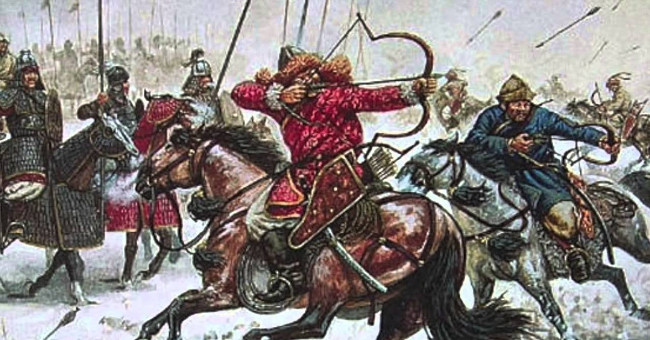
The army of Genghis Khan has made extensive conquests across Asia as well as part of Europe to build the mighty Mongol empire.
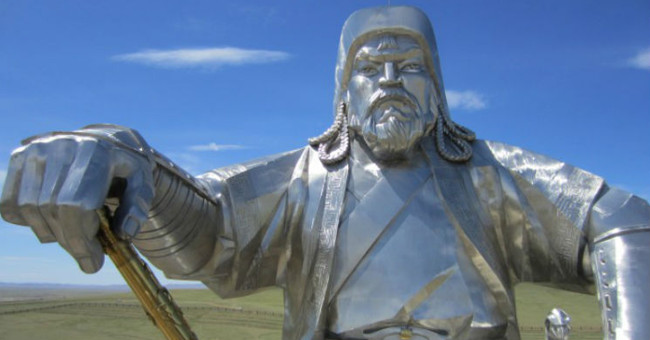
The burial place of Genghis Khan has long been a controversial topic. According to the history books, the founder of the Mongolian empire asked to be buried in an anonym…

In 1545, the tragedy occurred with the Aztec empire in the territory of Mexico today. Many people began to show symptoms such as high fever, headache, bleeding from eyes…
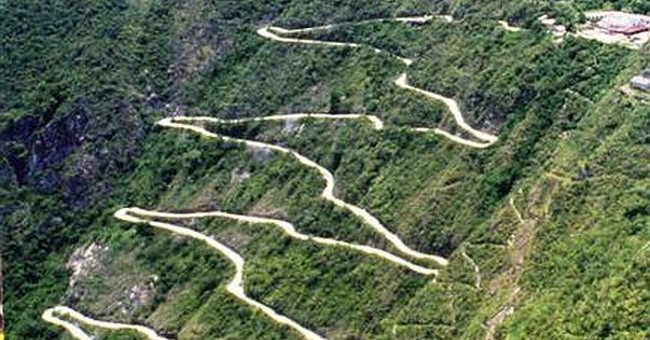
This extremely sophisticated 'highway' system has turned the Inca empire into one of the most powerful ancient civilizations in the western hemisphere.
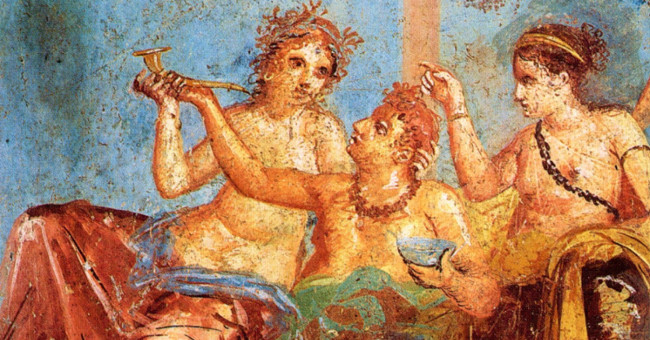
According to new research by Danish scientists, antimony and lead poisoning could be the cause of the Roman Empire's destruction.