
Space science
What Is a Black Hole and How Do Black Holes Form?
A black hole is a region where matter has been compressed so strongly that, inside a boundary called the event horizon, escape would require moving faster than light. Bl…
Browse ScienceInfo articles and explainers related to Event.
840 published items.
A black hole is a region where matter has been compressed so strongly that, inside a boundary called the event horizon, escape would require moving faster than light. Bl…
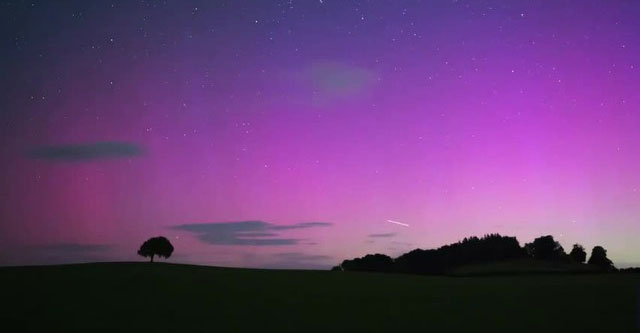
The combination of the aurora borealis and the Perseid meteor shower is a rare and spectacular event that leaves many sky enthusiasts in awe.
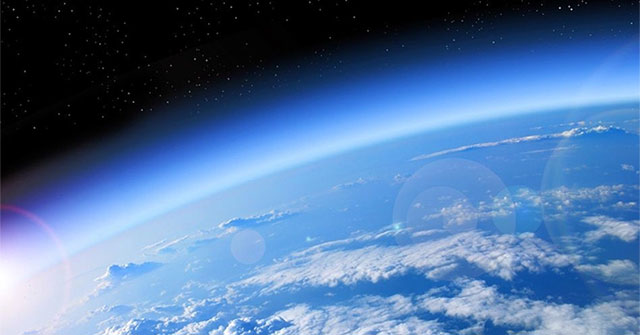
At that time, humans and most other life forms that depend on oxygen for survival have almost no chance of survival on Earth.
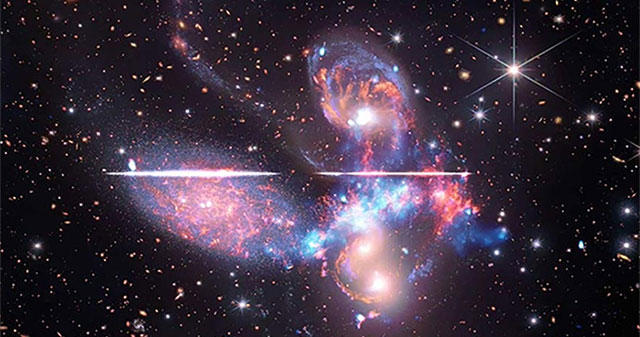
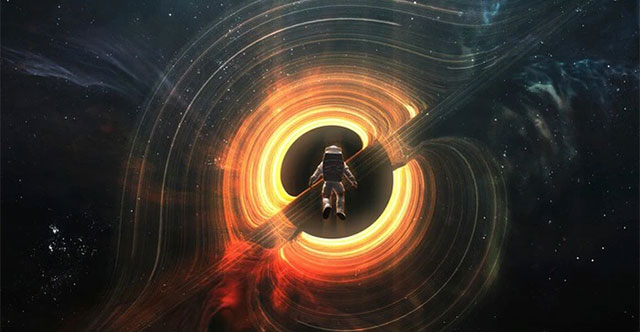
What if we - and our entire universe - were inside a black hole?
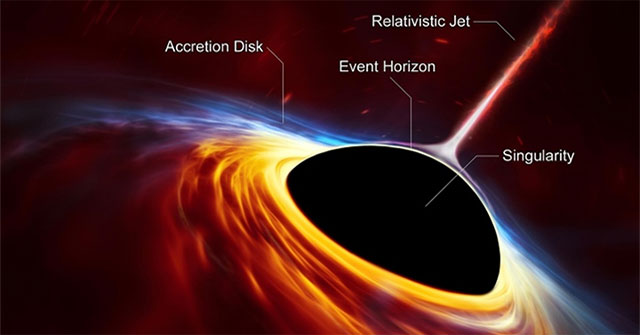
Currently, humans have not been able to build any spacecraft capable of taking us close to a Black Hole. If we ignore this detail, time travel is completely possible usi…

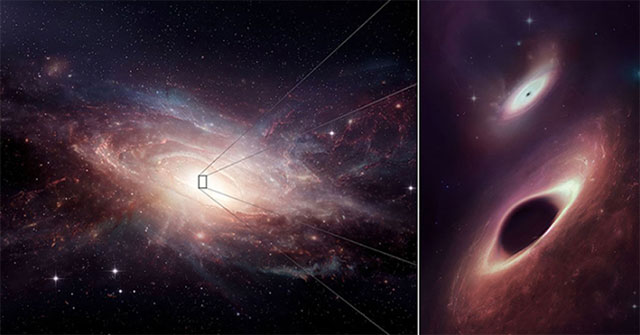
Black holes are a very scary astronomical object and cannot be observed directly, but they can be detected using other physical solutions.
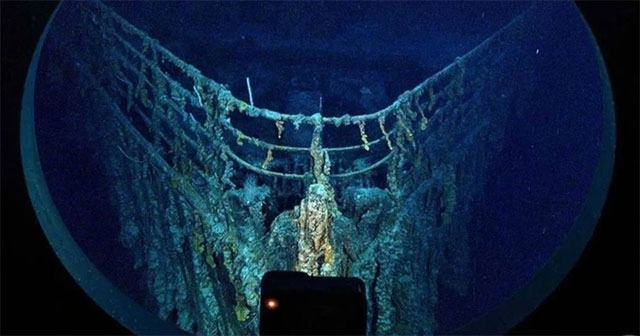
Death is mentioned three times in the disclaimer, and in the event of a Titan submersible failure, rescue plans are not easy.
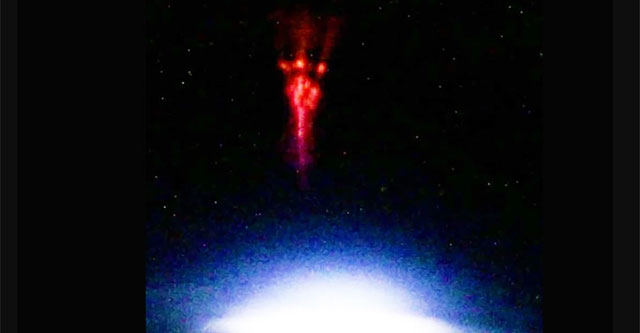
European Space Agency (ESA) astronaut Andreas Mogensen on December 5 filmed a mysterious and creepy phenomenon called
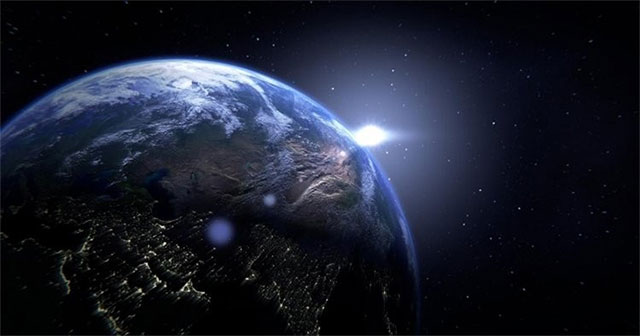
After the oxygen disappears, a completely different Earth will be born. It is a world filled with methane, low CO2 levels and no ozone layer.

This is likely a rare event, stemming from the desire to become a mother of an infertile female killer whale.
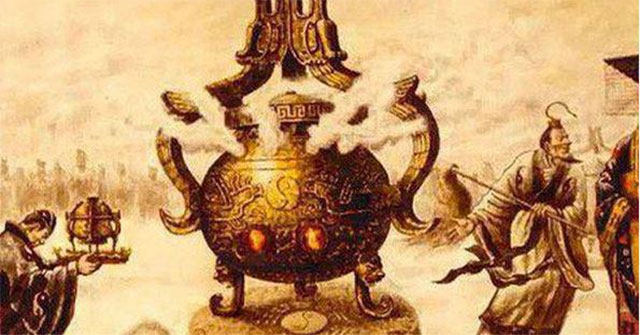
Among the incidents related to aphrodisiacs in Chinese history, we must mention the event of the Ming emperor who died less than a month after ascending the throne.
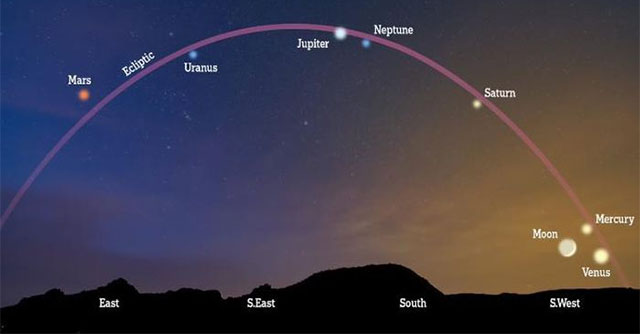
Astronomy enthusiasts around the world have just witnessed a special event when all seven planets of the Solar System appeared at the same time in the night sky.
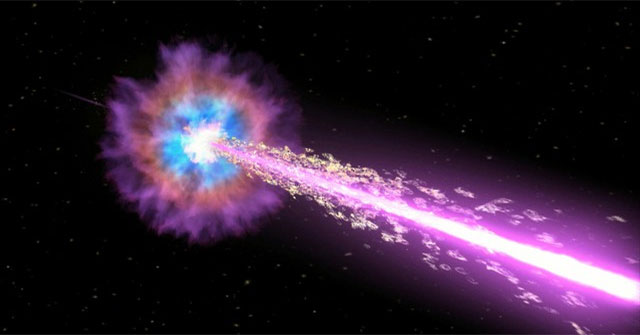
In the universe there is a terrible light that can penetrate all matter and destroy all life, this light was discovered by French physicist Paul Villard.