Discover science
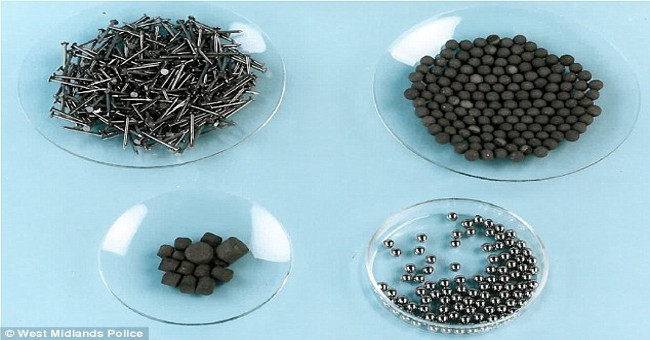
The terrible truth about the damage of nail bombs
Metal fragments fired at a speed of more than 3,000 km / h made the bombardment's damage much greater than mere explosives.
Browse ScienceInfo articles and explainers related to Homemade.
93 published items.
Metal fragments fired at a speed of more than 3,000 km / h made the bombardment's damage much greater than mere explosives.

The previous tutorials we have consulted some suggestions on how to create your own interesting toys such as mini alarm device, USB fan or dock for laptop cooling.
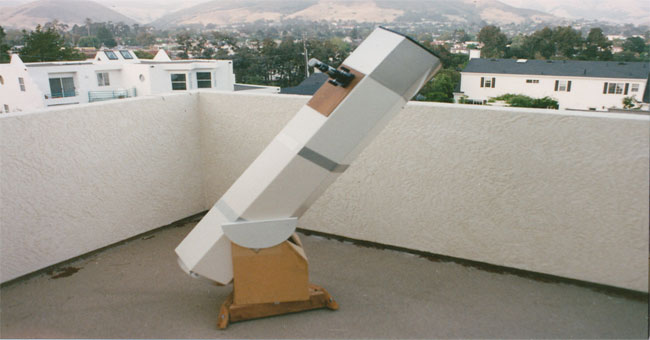
With just a few simple tools, you can make mini telescopes and watch real moon stars every day!
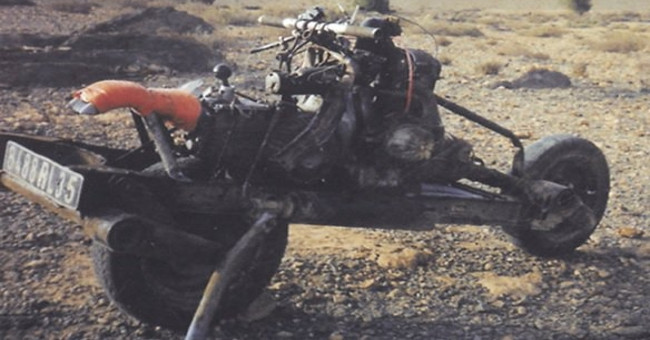
With only basic tools instead of specialized ones, there were no drills, hoses or sharpening tools, but Emile Leray built a two-wheeled vehicle just by screwing the part…
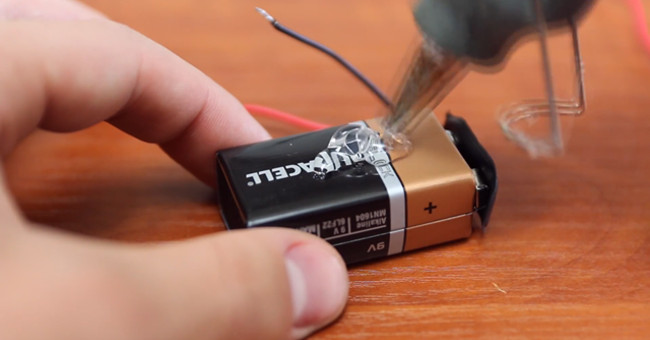
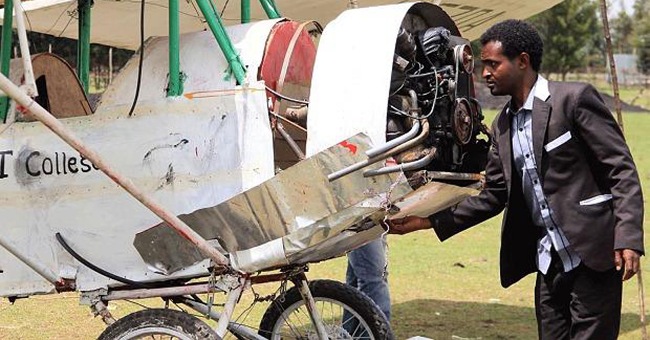
On Asmelash Zerefu's social networking site, people gave him lots of compliments like the Wright brothers in the United States because of their effort to create a plane…
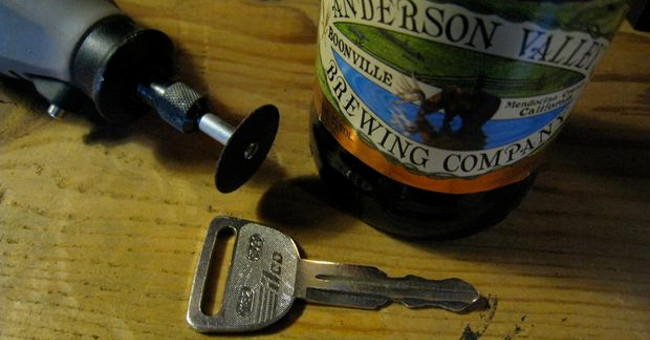
An extremely simple need is to open a bottle of water, but sometimes it makes us quite uncomfortable when we can't do it.
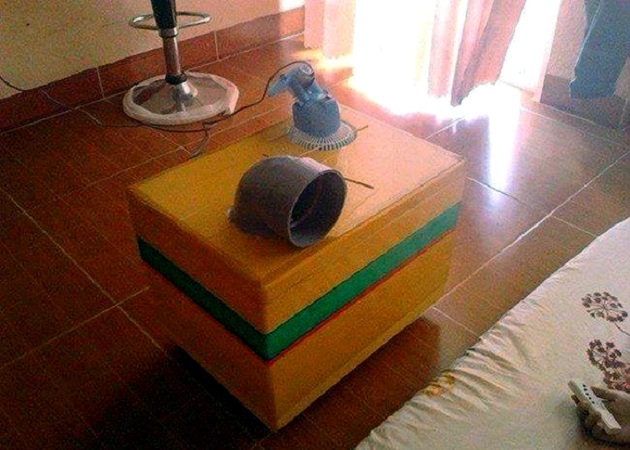
With a small budget and a few simple moves, this is the most feasible measure to cope with the hot air of summer days.

A man in China makes an electric scooter from a suitcase, which is used to help transport luggage to the airport or station easily.
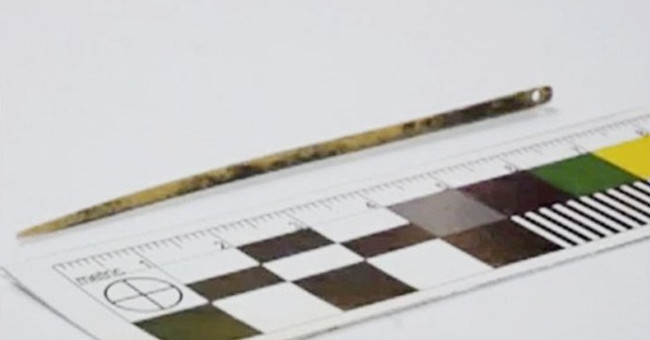
Scientists have found the world's oldest needle in a cave in Siberia, still in use after 50,000 years.
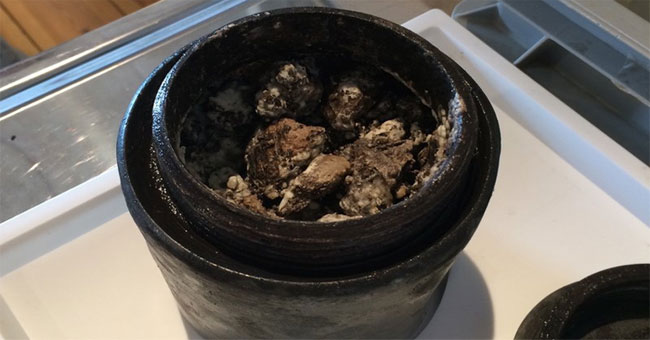
Divers find the cheese jar that still emits a special scent after more than three centuries in the body of a warship located on the bottom of the Baltic Sea.
On the morning of October 16, India successfully launched a homemade satellite navigation device.
The Iranian Space Agency (ISA) said it plans to launch two homemade satellites on Earth orbit later this year according to the Persian calendar (ending March 20, 2014).
Iran is planning to launch three homemade satellites into orbit within the next six months, a senior Iranian aerospace official told Press TV on October 10.
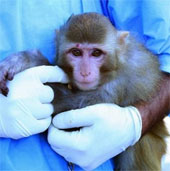
Iranian scientists announced on Sept. 7 that they will take live creatures into space in the next 45 days with a spacecraft using liquid materials.