
Medicine - Health
Discovering genes related to depression
Scientists at Yale University in the US have discovered a gene that plays an important role in the development of depression.
Browse ScienceInfo articles and explainers related to Mice.
834 published items.
Scientists at Yale University in the US have discovered a gene that plays an important role in the development of depression.

The taste of celery is not so pleasant with the taste of many people. However, scientists have discovered that in celery ...

A study of obesity in mice showed that sleeping under bright light makes weight gain easier.

US scientists say they have successfully prepared a vaccine
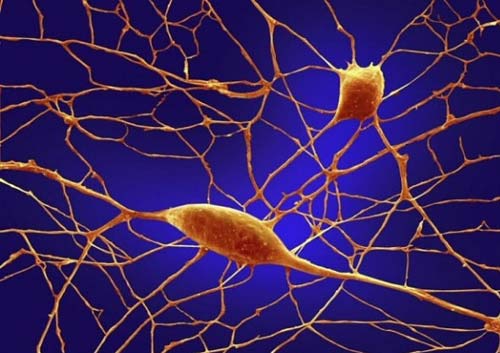
In fact, nerve cells play a key role in the formation and development of the salivary glands.

US scientists have studied the type of molecule JQ1 that can cause the cancer gene to be ineffective, thereby inhibiting tumor growth.
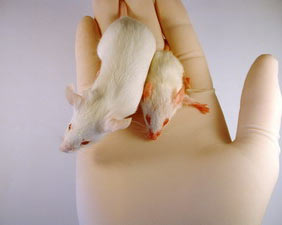
Research by scientists from the Japan Institute of Physicochemical Research shows that if a mutant gene on the X chromosome works, the birth rate of a somatic cloned mou…

Canadian scientists at Concordia University in Montreal have discovered that high levels of estrogen in women during their ovulation may have a direct impact on their di…

Scientists at the University of London (UK) have successfully implanted retinal stem cells in experimental mice.

Scientists at the University of Newcastle, UK, said that in modern society, more and more women when they reach the age of 40 are just starting to want to give birth, th…

Scientists have restored neuronal activity of mice with spinal cord injury by taking advantage of neural stem cells.

The research of international scientists published in the journal Taiwan's technology news has developed a technique to treat brain tumors more effectively than the curr…

A study shows that sexual activity stimulates the proliferation of nerve cells in the brain.

Neuroscientists in the United States claim that acupuncture can reduce pain because it helps release a natural molecule called adenosine.

In a recent independent study, Russian scientists found that animals that eat genetically modified soybeans lose fertility.