Environment
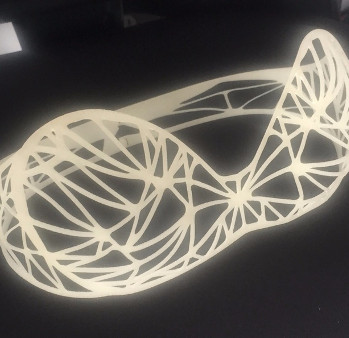
Bikini sucks pollutants in seawater
American scientists are developing bikini swimsuits that can filter contaminants in seawater around the wearer.
Browse ScienceInfo articles and explainers related to Pollutant.
69 published items.
American scientists are developing bikini swimsuits that can filter contaminants in seawater around the wearer.
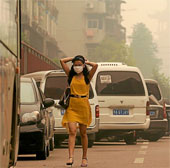
In 2013, atmospheric carbon dioxide emissions increased at the highest level in nearly 30 years, according to the World Meteorological Organization (WMO).
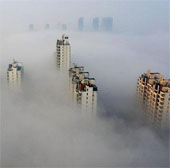
The Chinese environmental agency recently said that concentrations of polluting particles in Beijing's air are expected to fall to a safe level according to internationa…
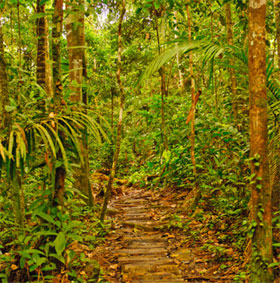
A new study of polluted areas shows that the West Amazon, an extremely bio-cultural and diverse area, may have been contaminated by widespread oil pollution over the pas…
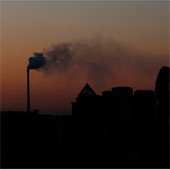
Dirty waste from Chinese exports surpassed the Pacific to contribute to pollution in the United States.
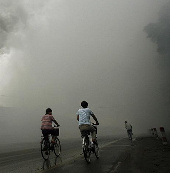
Scientists from Rush University Medical Center have demonstrated that exposure in the atmosphere contains many pollutants that will occur the intellectual decline of adu…
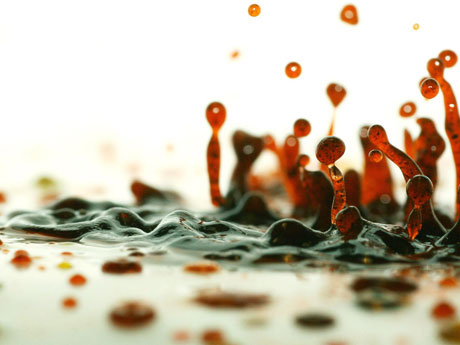
The strange rain appeared in Kannur, Kerala state, India at about 6:50 am on July 5, local time and lasted for 15 minutes, the Times of India reported. Many people panic…
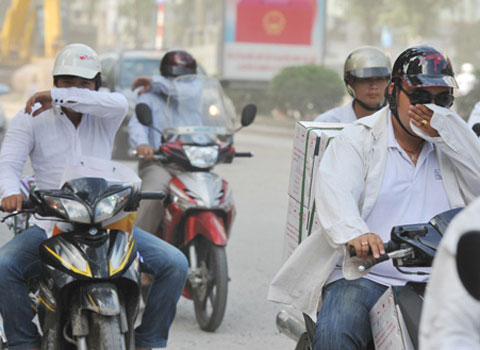
A group of French researchers, led by Hazrije Mustafic of the Paris Heart Research Center, published the information in the journal of the American Medical Association o…

Not only water, but also pollutants originating from forest fires thousands of miles away in Ontario, Canada, are polluting the Niagara Falls on the border between the U…
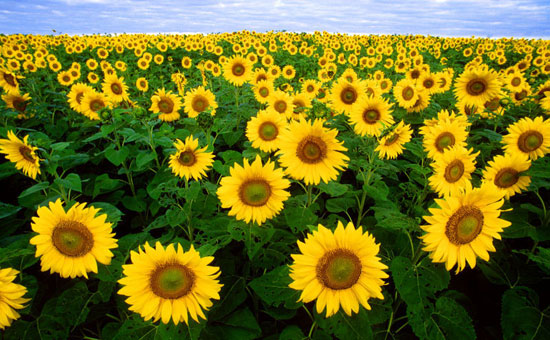
Last March earthquake and tsunami in Japan caused a nuclear disaster that made Cesi (Cs) radioactive material quite high in Fukushima prefecture and surrounding areas.
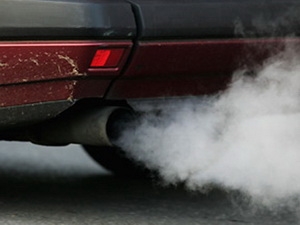
Rapid restriction of pollutants such as carbon black (generated from engine exhaust and vegetable oil, also known as soot) and smog including metal gas and ozone near th…

Artificial light in cities at night hinders the formation of air cleaners.
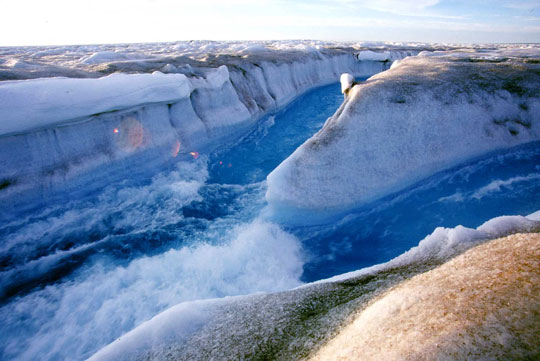
A study by the United Nations Environment Program (UNEP) shows that, when the earth warms, melting ice in two poles releases a large amount ...

During the Asian monsoon period pollutants are most strongly dispersed into the upper atmosphere, making them more lasting in the air and spreading globally.

Nature uses a substance capable of destroying pollutants to clean the air, but so far humans have not found this substance.