Environment
The world will be hotter, drier, more hungry
Predicting the world in the next century: hotter, drier, more hungry and the chance of turning off air conditioning is impossible.
Browse ScienceInfo articles and explainers related to Predict.
653 published items.
Predicting the world in the next century: hotter, drier, more hungry and the chance of turning off air conditioning is impossible.
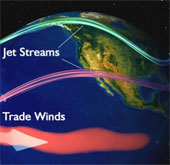
Earth's heat will rise as the El Nino weather model is ready to blow a large amount of heat into the atmosphere by the end of 2014.
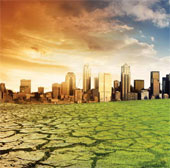
Global warming will not reduce the rate of deaths in the winter as some predicted previously, because the weather will have more extreme forms even less cold.
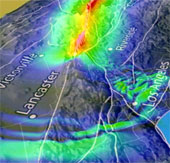
Los Angeles (LA) will experience a stronger shock than expected, based on the results of a virtual earthquake model studied by American experts.
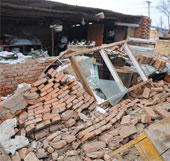
Although it is not possible to accurately predict where the earthquake will be hit in China, US researchers claim to have identified where seismic events might occur.

The United Nations predicts that the annual global volume of e-waste will increase by 33% by 2017.

Scientists have discovered a new way to predict weather changes: observing mating of insects like beetles or aphids.
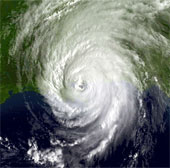
Although the model predicts that the current storm is better than before, predicting the strength and path of the storm is still difficult and complicated.

Cities like Shanghai (China), Seoul (South Korea) have just experienced terrible heat waves. Climate change will make this summer the most special in the next decade.
Scientists predict life on 'Green Planet' will be wiped out in less than 1 billion years and the reason for this destruction is because of the lack of CO2 in the atmosph…
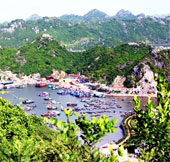
The climate change scenario of the Ministry of Natural Resources and Environment predicts that at the end of this century, the sea level in Hai Phong and Cat Ba can rise…
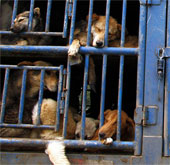
A city in China is using dogs to predict earthquakes, according to an official on May 7, after the country's media reported on people's reflection on the nightly barking…
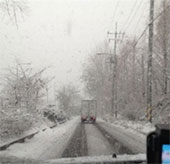
The Korea Meteorological Agency (KMA) on April 10 predicts that Seoul, Gyeonggi Province and a part of western Gangwon Province will have snowfall on April 10 and 11.

Sea levels predicted to rise in the Pacific in the future will cause heavy losses to the ecological environment and seriously threaten the survival of many animals.
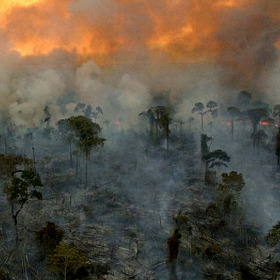
The burning process of wood and diesel creates a kind of black carbon that, when deposited on the surface of the body, forms soot or soot.