
Cancer
13 cancers can be prevented by exercise
Regular exercise not only enhances health but also reduces the risk of esophageal cancer by 42% and the risk of liver cancer.
Browse ScienceInfo articles and explainers related to Reduction.
162 published items.
Regular exercise not only enhances health but also reduces the risk of esophageal cancer by 42% and the risk of liver cancer.
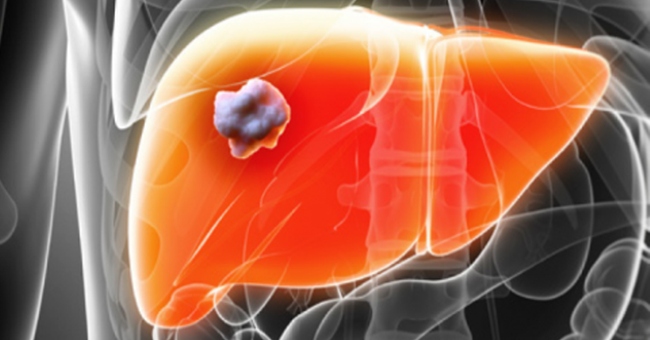
Only a while ago, when cancer occurred or metastasized to the liver, it was considered a death sentence. But today, that is no longer true. In many hospitals in the Unit…

A recent study by scientists from the Canadian Cancer Society demonstrates that the rate of developing breast cancer in menopausal women drops.

Eating pomegranates may reduce the risk of breast cancer, according to research by Ohio University (USA) scientists.
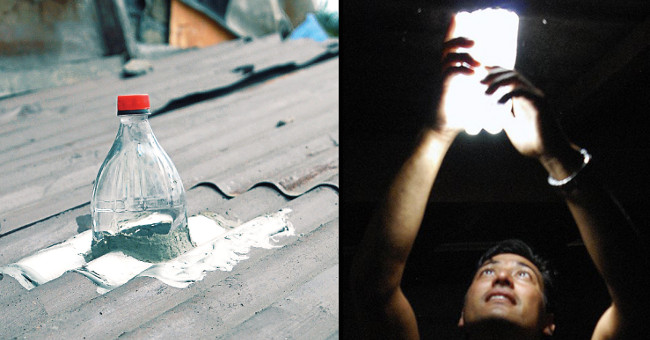
One day wake up, you suddenly feel depressed for this life. Bored because of exam pressure, bored with work pressure or bored because people like you naturally have love…

A high-tech company in China's Zhejiang province introduces smart drain covers that can prevent theft and reduce noise.

Japanese scientists have successfully developed a new super-elastic alloy. This material can be used in high-rise buildings to reduce impact when an earthquake occurs.

Scientists have pursued the dream of creating a quantum computer long ago. This technology will give us the power to handle unimaginable issues.

Compared to the same period last year, consumption at computer companies is now down by 20%, despite being a purchase. Consumers are hesitant, waiting for goods to drop…

NASA's X-59 passenger supersonic aircraft was designed to fly at 1,700 km / h, nearly 1.4 times the speed of sound.

The device is only 5mm thick by graduate students at the University of California and SRI International, but is as capable of cooling as an air conditioner.

Advances in noise reduction technology can help passenger aircraft super-overcome limitations caused by ultrasonic explosions.


American Space Agency (NASA) launches new electric powered aircraft, equipped with 18 engines on the wing.

For years, the collection and storage of carbon (CCS) has been seen as a costly but essential step to reduce emissions and protect the environment.