
Medicine - Health
Twins are different in skin color
Kaydon and Layton Wood are two 5-year-old twins. This is a very famous twins because of a white baby, and the other baby is colored.
Browse ScienceInfo articles and explainers related to Skin.
1,441 published items.
Kaydon and Layton Wood are two 5-year-old twins. This is a very famous twins because of a white baby, and the other baby is colored.

According to the latest study by British scientists, one in six mobile phones in the UK has an E.coli bacterium due to improper hand hygiene.

US scientists use a new cloning technique to create customized stem cells, opening up the prospect of specific treatment.

The world's largest vaccine manufacturer, Sanofi-Pasteur, has signed a contract with the University of California (USA) to develop a vaccine for acne.
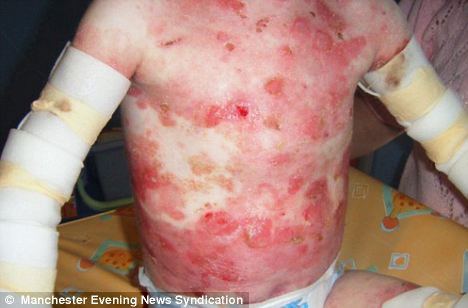
Rhys Williams, 6, in Bolton, England, suffers from the most dangerous disease of skin diseases: Bullosa epidermal disease.
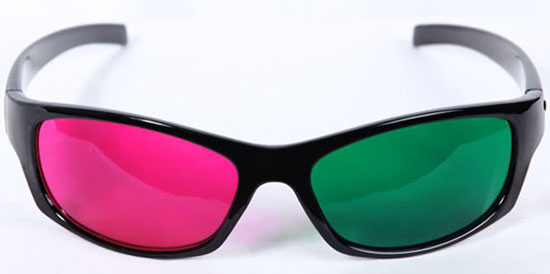
It has been proved that 3D glasses, which are played out to guests before the start of the movie and recorded when finished, can save many types of bacteria.

Every time the sun shines, Sarah suffers from a rare, untreatable skin disease called porphyria.
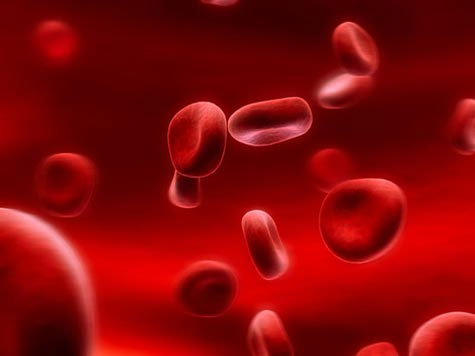
From skin cells, a group of scientists at McMaster University, Canada, successfully produced human blood.

Hollie Shaw, 7, suffers from a rare syndrome that makes her skin as fragile as a butterfly's.

British scientists have for the first time created skin stem cells from people with Parkinson's disease - common tremor in the elderly.
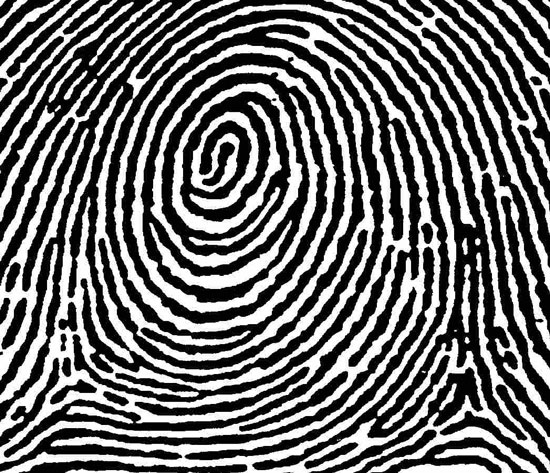
By analyzing the genetic code of 16 members in a 9-born Swiss family without fingerprints, researchers from Tel Aviv Sourasky Medical Center in Israel found mutations in…

Skin allergies are uncomfortable, but it is good news, scientists claim. This itch can help prevent cancer.
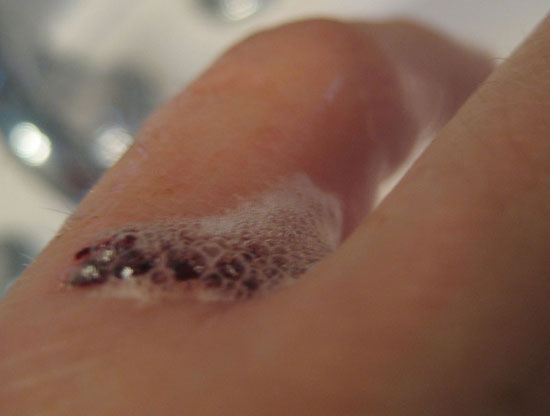
Researchers at UCLA found a chemical signal released by damaged skin cells that catalyzes the regeneration of tactile nerves, helping to restore the feeling of skin cont…

Cancer-causing genes can also transform normal healthy cells into identical cells of human embryonic stem cells, according to a new study.
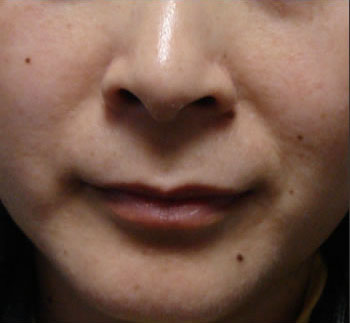
While some people don't have moles, some people have 1.2, others don't count moles. Where does the mole come from?