Space science
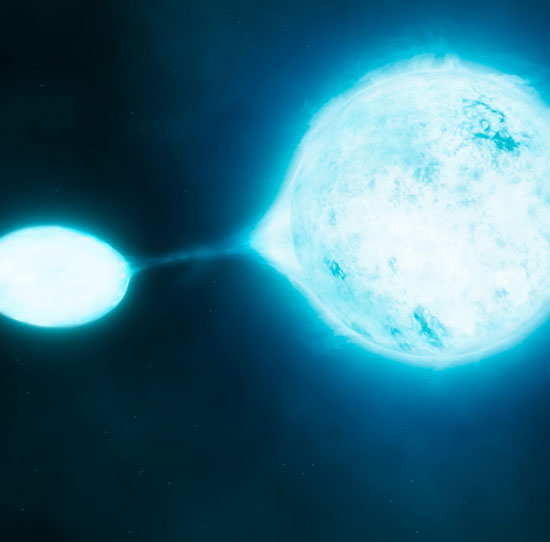
Huge 'vampire' in the universe
Like vampires in fantasy movies, super-big stars come close to other stars
Browse ScienceInfo articles and explainers related to Super.
1,981 published items.
Like vampires in fantasy movies, super-big stars come close to other stars
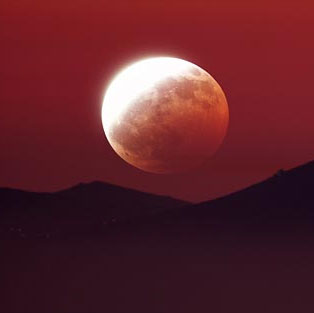
On June 4, which means that exactly one day before the full moon, the moon will approach the point - the closest position to the Earth on its elliptical orbit. Then the…

Square Kilometer Array (SKA), a joint scientific project of more than 20 countries, aims to create the world's largest radio telescope, announcing on May 25 that South A…
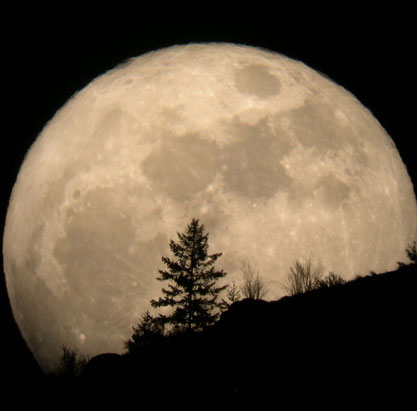
This weekend's full moon phenomenon will happen when the moon approaches the globe most of the year. The moon will appear with a round shape at 7:30 pm on 5/5 GMT (2:35…
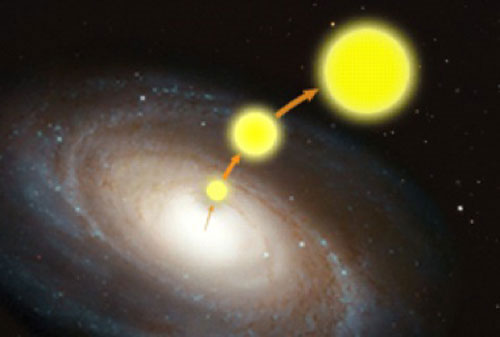
It is not easy to get a star out of its galaxy, but experts at Vanderbilt University (USA) have identified a group of more than 675 stars falling into this situation. Wa…

In fact, the name super moon is proposed by astronomer Richard Nolle in 1979, and is still not officially used in the scientific community or astronomy, but the academy…
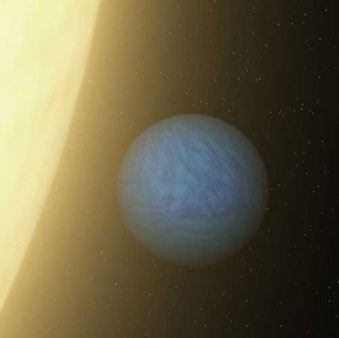
Light from a planet twice the size of the Earth has reached Spitzer's lens in an event known as astronomical achievement by astronomers. NASA's Spitzer Space Telescope c…
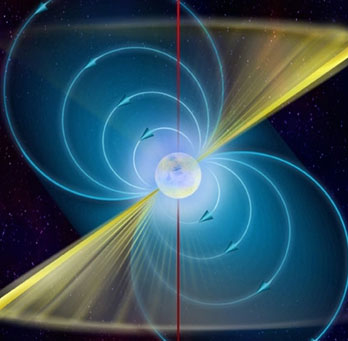
Dark stars - super-condensed neutron stars - also known as the most special Physics labs in the universe. These super-celestial studies have been awarded two Nobel prize…
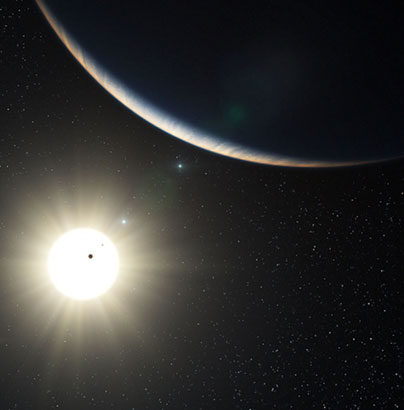
According to research by scientists at the University of Hertfordshire (UK), HD 10180 - a Sun-like star of the Hydrus constellation - may include nine planets orbiting i…
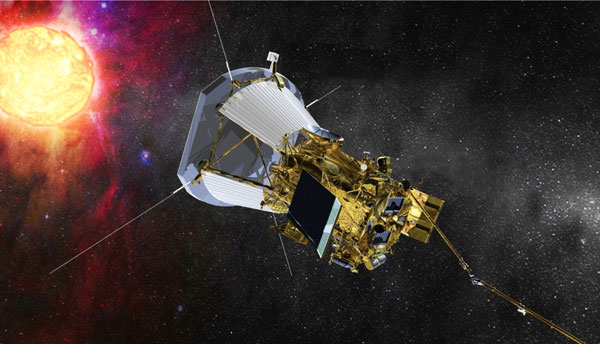
NASA experts started an unprecedented big project about studying the Sun. They will send this planet a Solar Probe Plus, a solar device close to the solar crown and work…
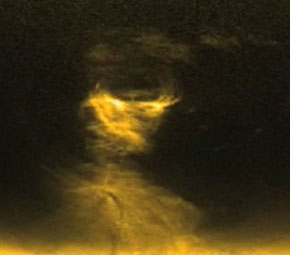
The image of a tornado 5 times the size of the Earth created by solar energy was recorded by NASA's Solar Dynamics Observatory (SDO) camera.
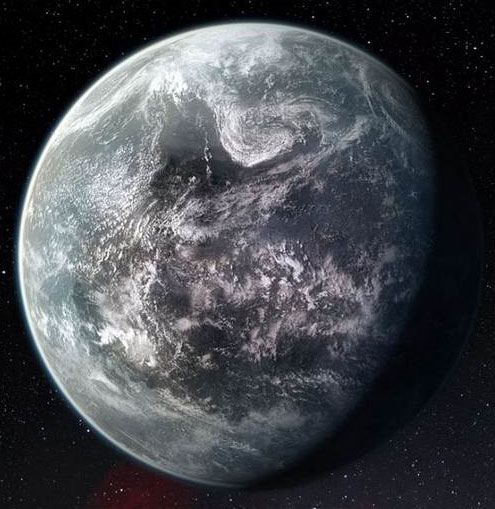
On March 23, the Southern European Observatory (ESO) reported that they had found 9
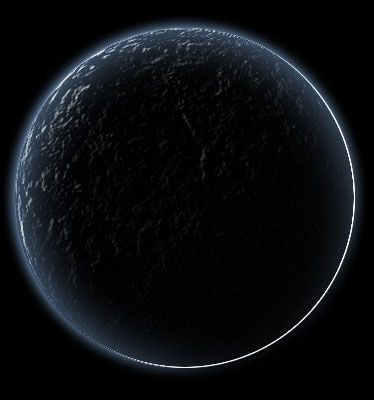
Seven years ago, astronomers discovered the first fleeing star from the Milky Way at a rate of about 2.4 million km / h. New research results conducted by Harvard-Smiths…
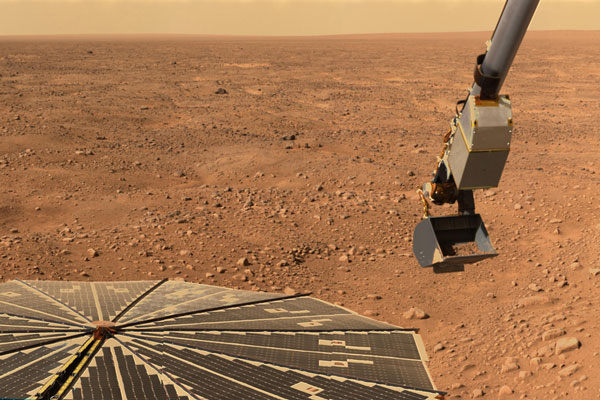
Serious arid conditions that last for more than 600 million years on Mars can wipe out all that life, no matter how tough.