One in 50 people have trouble remembering faces. Researchers say it's more than just "forgetfulness."
Not being able to remember other people's faces can cause a lot of trouble in social interactions. Scientists call this "face blindness," or prosopagnosia.
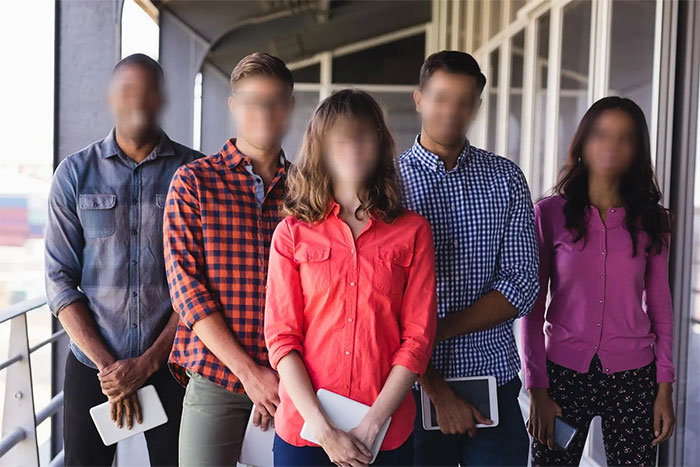
Many people have difficulty remembering other people's faces - (Photo: THE MIRROR).
Symptoms of this disorder include not recognizing acquaintances in a crowd, confusing characters on television, and not daring to call someone by name for fear of… getting it wrong.
A recent study by Bournemouth University and Brunel University (UK) investigated whether "face blindness" is a separate medical condition or simply a poor ability to recognize faces. The study looked at 300 British people who had some of the above symptoms since birth.
Professor Sarah Bate - the lead researcher - said that in mild cases , many people often do not notice, but the fact that this condition can limit social interaction. In more severe cases, the patient cannot recognize relatives or friends when meeting.
"Imagine how difficult it would be for a child with this condition to find their parents in a crowd and not be able to recognise them," said Professor Sarah Bate.
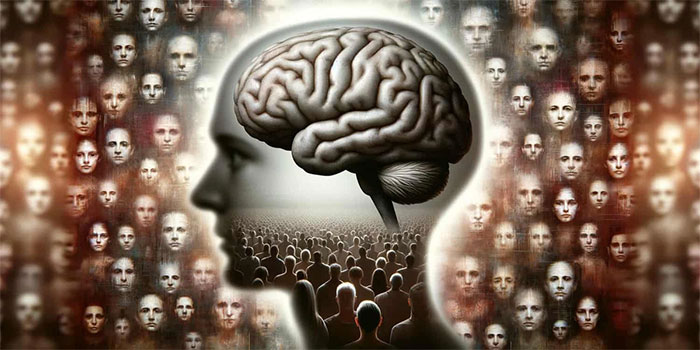
"Face blindness" is not just forgetfulness. Scientists recently said that it is also a separate disorder - (Photo: PSYPOT)
People with prosopagnosia generally cannot recognize familiar faces and must rely on other social cues or identifying features to identify people they know. Scientists believe the condition may be inherited or caused by severe brain injury.
According to the UK's National Health Service (NHS), people with prosopagnosia may also have challenges recognising emotions on other people's faces as well as identifying their age and gender.
According to the NHS, with prosopagnosia you will still see parts of your face normally, but all faces may look the same to you. The condition affects everyone differently.
Some people may not be able to distinguish between strangers or people they do not know well. Others may not even recognize the faces of friends, family, or their own faces.
From this, the researchers concluded that prosopagnosia should be classified as a separate disorder.
Professor Bate stressed their findings have important implications for our understanding of prosopagnosia and challenge the traditional view that the condition is a continuum.
'This could aid diagnosis, particularly as we need to determine the point at which impaired face processing is formally considered prosopagnosia ,' says Professor Bate.
The new findings were published in the journal Cortex.