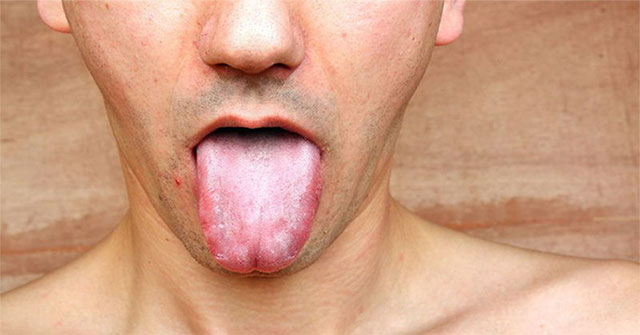
Salt is an indispensable spice in life, but if you eat too much salt, the price you pay is your health and longevity .
5 signs you are eating too much salt
According to WHO, every year, about 4.1 million people worldwide die from diseases related to eating too much salt. But in reality, not everyone understands that eating too much salt causes a series of harmful effects on the body. Most typically, eating too much salt is a major risk factor for high blood pressure, leading to stroke, heart attack and many other cardiovascular diseases. This is also a bad habit that causes kidney diseases such as kidney failure, glomerulonephritis, etc.
Many studies have also found that long-term high-salt diets are associated with increased risks of stomach cancer, stroke, and death from all causes, and will shorten human life expectancy.
In addition, eating too much salt can also affect the function of the vascular endothelium, thereby affecting the body's normal immune function and can easily cause inflammation of the cells of the immune system. Eating too much salt also causes calcium loss, accelerates bone aging and many other negative effects.
According to WHO recommendations, each adult should not eat more than 2g of sodium, or about 5g of salt, per day. The American Heart Association gives a more conservative recommendation of 1.5g of sodium per day, especially for people at risk of heart disease. However, WHO reports also show that in reality, most people often consume more than this amount of salt, even double.

A diet high in salt will shorten human life expectancy. (Illustration photo).
There are many reasons for this situation. For example, not being aware of the seriousness of eating too much salt, not knowing how much is enough, few people have the habit of measuring the amount of salt they consume each day and not knowing the signs of eating too much salt to adjust.
Here are 5 signs that you are eating too much salt, which many people may be experiencing but ignore:
Or dry mouth, thirsty
Eating too much salt will increase the bitter taste in the mouth, and at the same time lead to water imbalance in the body, the kidneys cannot excrete toxins. From there, the body will instinctively send signals of dry mouth and constant thirst.
At the same time, excess sodium will also cause the body to add more water to eliminate the salt. This is the reason why every time you eat salty food, you often feel thirsty faster than usual.
Body swelling, edema
If you wake up in the morning with puffy eyes, suddenly swollen feet, or experience cramps. then you may have too much excess salt.
Because the body will automatically retain water when the amount of salt in the body increases, some people will experience unusual swelling and heaviness. But basically, edema caused by eating too much salt will usually subside or disappear within 1 day. Just pay attention to rebalancing the daily diet, avoiding consuming salty foods will help eliminate excess salt over time.
Abnormal urination
Sodium buildup in the body can lead to unusual changes in excretion. The most noticeable changes are when urinating.
Specifically, because the kidneys have to work harder to eliminate salt from the body, you will urinate more. The color of the urine also begins to change because excess sodium will cause dehydration, if not provided with water in time, it can lead to the phenomenon of dark yellow urine.
Persistent headache
Too much sodium from salt entering the body will increase blood volume, thereby causing varicose veins and increasing the risk of blood pressure disease. This is the cause of severe headaches, affecting daily activities.
A related study found that people who ate more than one serving of sodium a day were one-third more likely to have headaches than those who ate less sodium.
Bone pain, slow response
Consuming too much salt over a long period of time can easily lead to dehydration, affecting thinking ability, manifested as slow reactions, memory loss.
In addition, eating too much salt also has a significant impact on bone development. Because then, the kidneys will not be able to eliminate all toxins, leading to calcium deficiency. Severe calcium deficiency will gradually weaken bones, making them susceptible to pain, fatigue, and frequent toothaches. In the long run, it can also cause early osteoporosis.
When you have the above signs, try to adjust your diet to reduce your salt intake. It is important to note that salt is absorbed not only through refined salt and seasoning powder, but also from many other sources such as fish sauce, sauces, seasoning powder, etc.