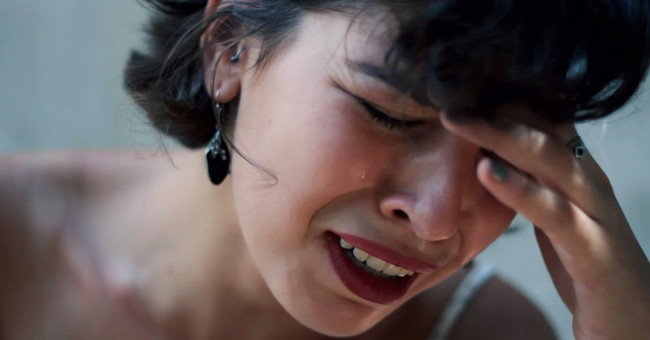
Discover science
Why are you crying?
Considering the two-storey principle, people will cry when they experience the emotions from extreme tension to relief, liberation.
Browse ScienceInfo articles and explainers related to Crying.
93 published items.
Considering the two-storey principle, people will cry when they experience the emotions from extreme tension to relief, liberation.

For men, crying is often a reaction to positive, good events.

The strange sight made anyone who saw the stone also utter astonished.

Scientists have seriously studied to find out what sounds cause the most discomfort for humans.
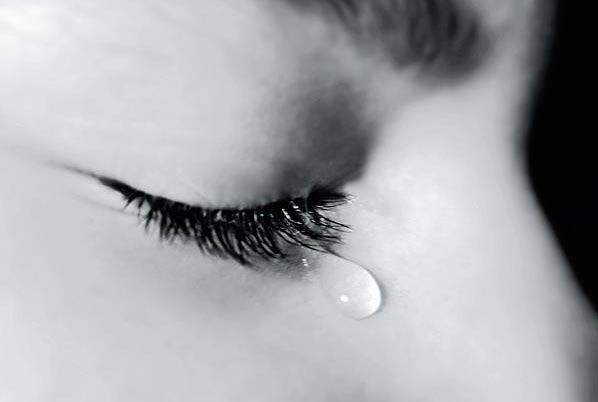
Although the appearance looks exactly the same, but the tears start from different situations, such as when grieving or eating chili or onions, there is a very different…

Happy tears are the way the body recreates 'the balance of emotions'.

Under the microscope, the entire composition of tears appeared vividly as if the rivers, the buildings on the ground as you watched from the plane.
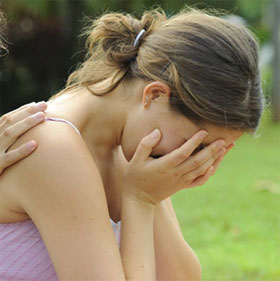
Professor Vingerhoets - a psychologist, a leading researcher of crying, is based at Tilburg University in the Netherlands, pointing out why women often cry more than men.
People cry when they realize the joy and sadness of life. Crying elephants are what we call them because they have a sad face.
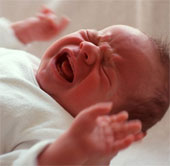
The ability to recognize your baby's cries in men or women depends on the experience of playing with your child, not on your instincts.

Does that mean that when she sobbed at the Grammy Awards last year, did Adele know that her tears were a good cleanser for the eyes? Here are some summaries of Cara Lee…

Not only is the function of keeping eyes moist, crying is also a means for people to express their emotions before language appears, according to a prestigious British s…
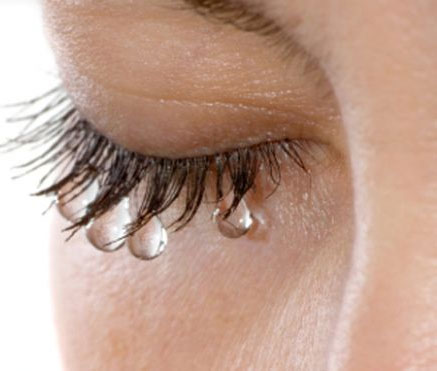
Due to the biological characteristics and the degree of different impacts of cultural factors, females often tear more than men. That is the conclusion of researchers at…

Not everyone knows the daily actions such as crying, hiccups, sleeping, blinking ... how to affect the body. Also see them from a scientific perspective.

A study was carried out by comparing the sound of the cries of 30 French infants and 30 German babies aged 3-5 days.