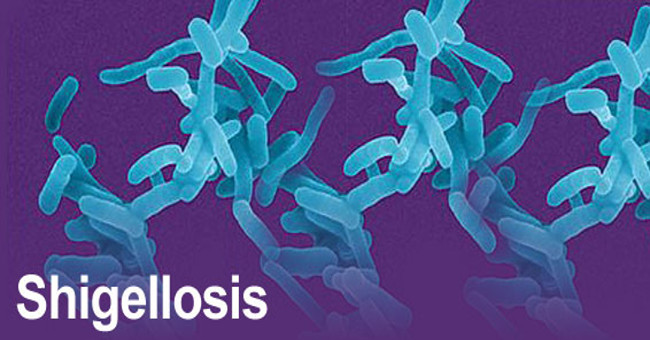
Medicine - HealthThe Department of Preventive Medicine (Ministry of Health) recommends: To proactively prevent bacillary dysentery, people and communities need to eat cooked food, drink…
December 15, 2018
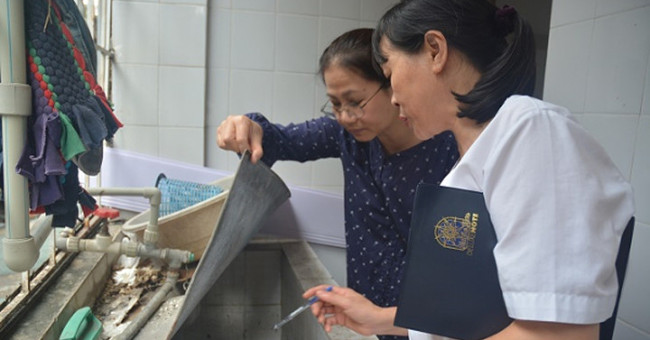
Medicine - HealthDengue fever is raging in Hanoi. Information from the Hanoi Preventive Health Center said the first death record was recorded as a 19-year-old female student of the Bank…
December 15, 2018
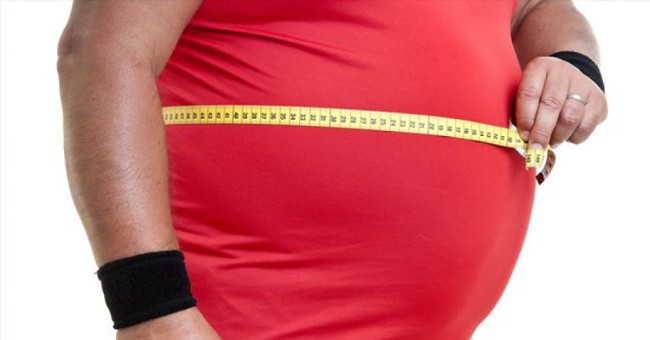
Medicine - HealthObesity is determined by calculating body mass index (BMI).
December 15, 2018
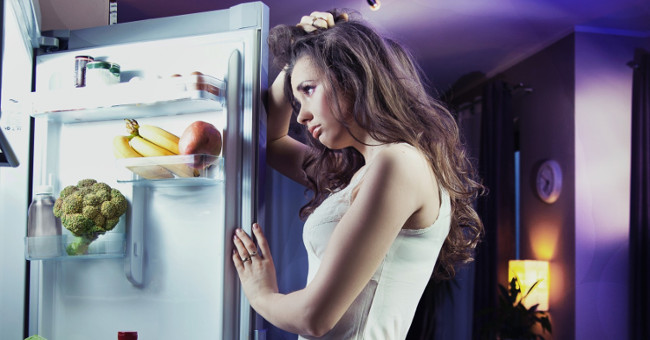
Medicine - HealthMany people can't sleep enough. Prolonged sleep deprivation can greatly affect health and well-being.
December 15, 2018
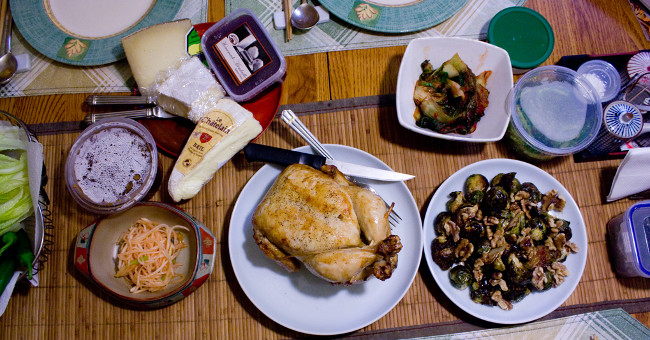
Medicine - HealthIn the opinion of doctors, mistakes when dinner can cause extremely dangerous diseases. Knowing this in advance, you can prevent disease and eat better.
December 15, 2018
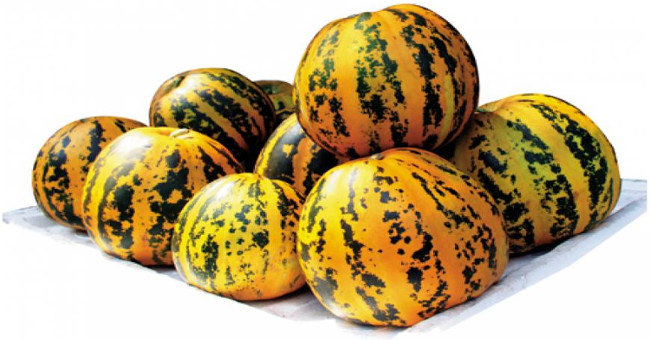
Medicine - HealthThe melon is a nutritious fruit, the beverage is very good in the hot summer and has many good uses for health.
December 15, 2018
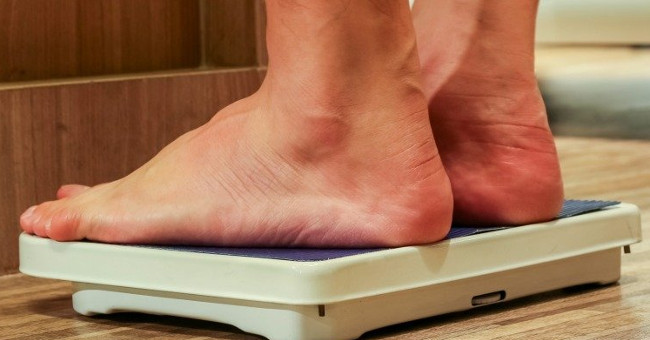
Medicine - HealthA new measurement has been discovered by scientists, and it solves the disadvantages of old BMI measurements.
December 15, 2018
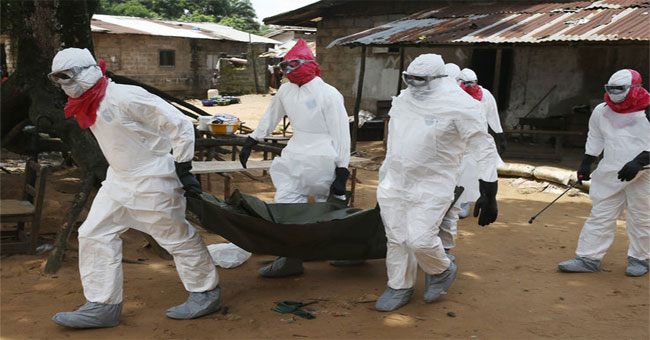
Medicine - HealthAfter the death of the latest Ebola virus in Congo, the World Health Organization announced the Ebola epidemic was officially back.
December 15, 2018
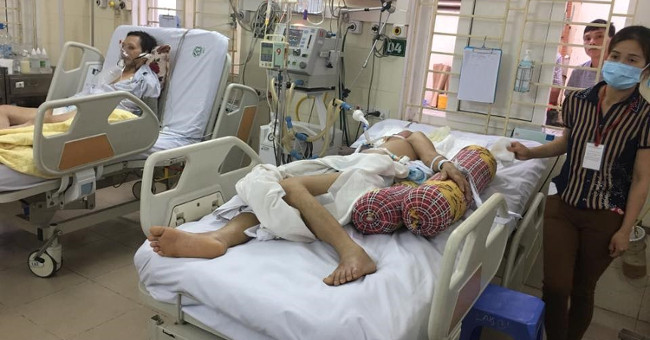
Medicine - HealthAt the seminar on non-communicable diseases organized by the Ministry of Health and the Danish Ministry of Development Cooperation at the Hanoi School of Public Health o…
December 15, 2018

Medicine - HealthAccording to psychologists, taking selfies is much more than an addiction but also a mental symptom, namely Body Dysmorphic Disorder (BDD).
December 15, 2018
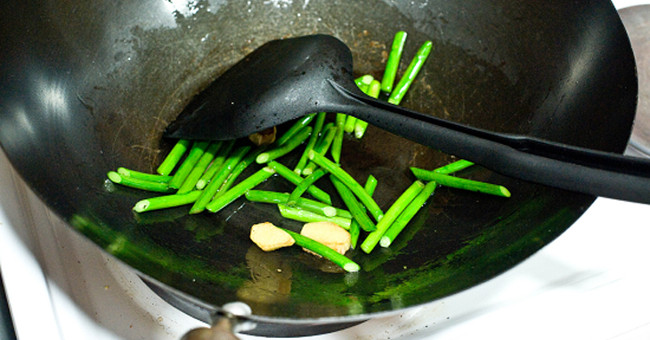
Medicine - HealthThese 4 habits almost everyone has to make, making their health and family worse.
December 15, 2018

Medicine - HealthSummer is a time of unhealthy health for people with diabetes. Therefore, in the summer, people with diabetes need to remember the following.
December 15, 2018
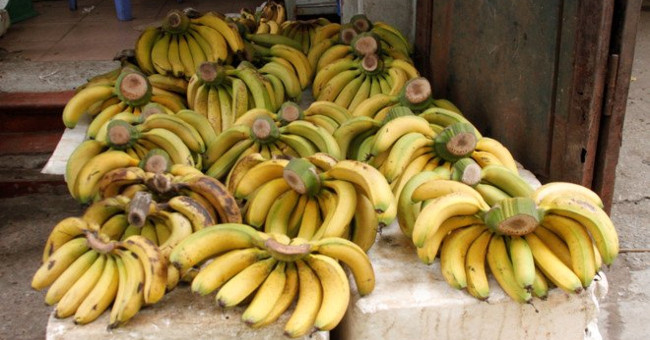
Medicine - HealthEvery day thousands of bananas are marketed, if all are brewed with incense (according to salespeople), the amount of toxic gas to compost the bananas will be huge.
December 15, 2018

Medicine - HealthChange the habit of using the brush immediately if you don't want to pick up a whole bunch of bacteria.
December 15, 2018

Medicine - HealthEvery day children need to drink about 50-60ml of water per kilogram of body weight, lemon juice, orange, fresh sugarcane, cheeks, mango, etc. can be used for cooling.
December 15, 2018