
Medicine - Health
6 'strange' reasons make you feel tired all the time
Lack of sleep is not the only reason to consume your energy. There are things that seem to be very small in life but make you feel tired all the time.
Browse ScienceInfo articles and explainers related to Sleep.
1,105 published items.
Lack of sleep is not the only reason to consume your energy. There are things that seem to be very small in life but make you feel tired all the time.
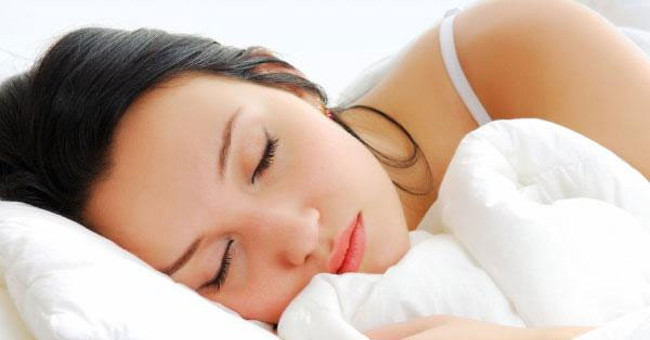
Humans contain many strange mysterious statues that not everyone knows. Even in sleep, there are strange phenomena such as sleepwalking, dreaming, body paralysis or even…

Researchers warn, older people get less sleep, their brains get worse and deteriorate faster.
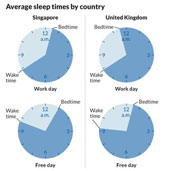
Recently, Science News has published a table comparing the number of sleeping hours of Western and Eastern people.
Breakfast should be enough to avoid eating too little to make the stomach irritated and not getting enough food will make you more hungry.
Surveys conducted by the US National Sleep Foundation show that about 95% of Americans use electronic devices within an hour before bedtime.

Each sleeping position contains advantages and disadvantages to the body shape and health of women.

Insomnia not only seriously affects daily activities, but also harms health.

The best time for sunbathing is from 7am to 9pm, however, in the summer, we should only sunbathe in the period of 6:30 - 7:30.
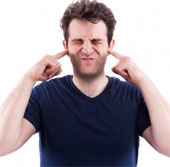
Exposure to loud noise not only causes deafness but also leads to serious health problems.

The heart maintains your life, so what did you do to protect your heart's health? Refer to the tips below to keep your heart healthy.
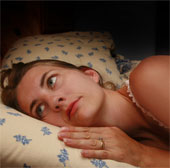
Artificial light emitted from every light source destroys sleep, but the biggest vandal is blue light emitted from computers, smartphones, TVs and iPads.

Do you often feel stiff and sore in your fingers and wrists? It may be due to the habit of using smartphones for too long.

Two remote towns Magnitogorsk and Kazakhstan Karachi in the Russian border area for nearly a month have appeared strange diseases with extremely bizarre symptoms.

Teeth grinding is a type of disease that unconsciously crushes teeth during sleep. It is often difficult to detect, only when an adjacent person hears and speaks, the pa…