
Space science
What Is Space Weather?
Space weather describes changing conditions in the Sun, solar wind, magnetosphere, ionosphere and thermosphere that can affect technology and operations near Earth. It i…
Browse ScienceInfo articles and explainers related to Solar.
2,143 published items.
Space weather describes changing conditions in the Sun, solar wind, magnetosphere, ionosphere and thermosphere that can affect technology and operations near Earth. It i…
A geomagnetic storm is a prolonged disturbance of Earth's magnetosphere caused by enhanced energy transfer from the solar wind. The most significant storms are often ass…
A solar flare is a rapid release of magnetic energy in the Sun's atmosphere. Flares can brighten dramatically in X-rays and extreme ultraviolet radiation and can acceler…
Aurora forecasts combine measurements of the Sun and solar wind with models of Earth's magnetosphere. Scientists are not predicting a fixed light show at a precise stree…
Auroras occur when energetic charged particles are guided by Earth's magnetic field into the upper atmosphere, where collisions with oxygen and nitrogen produce light. T…
Exoplanets are planets beyond our solar system. They range from small rocky worlds to giant planets and can orbit stars very different from the Sun.
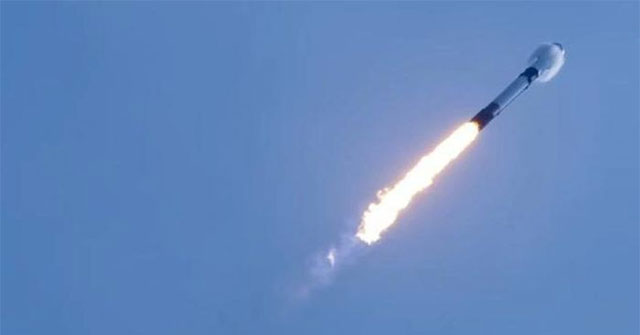
Between July and September 2023, 212 Starlink satellites belonging to SpaceX burned up in space.
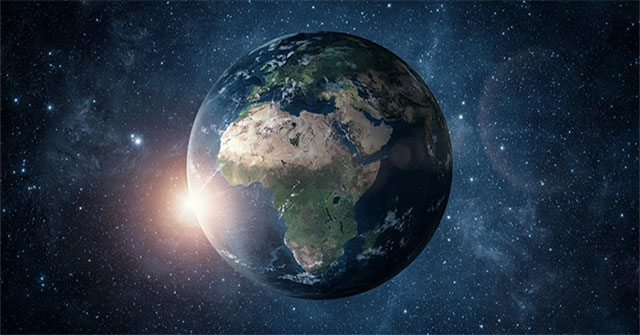
After being present on Earth for 250,000 years, we Homo sapiens have had to face a

As the only highly intelligent life form in the Solar System, humans have existed on Earth for 5 million years.
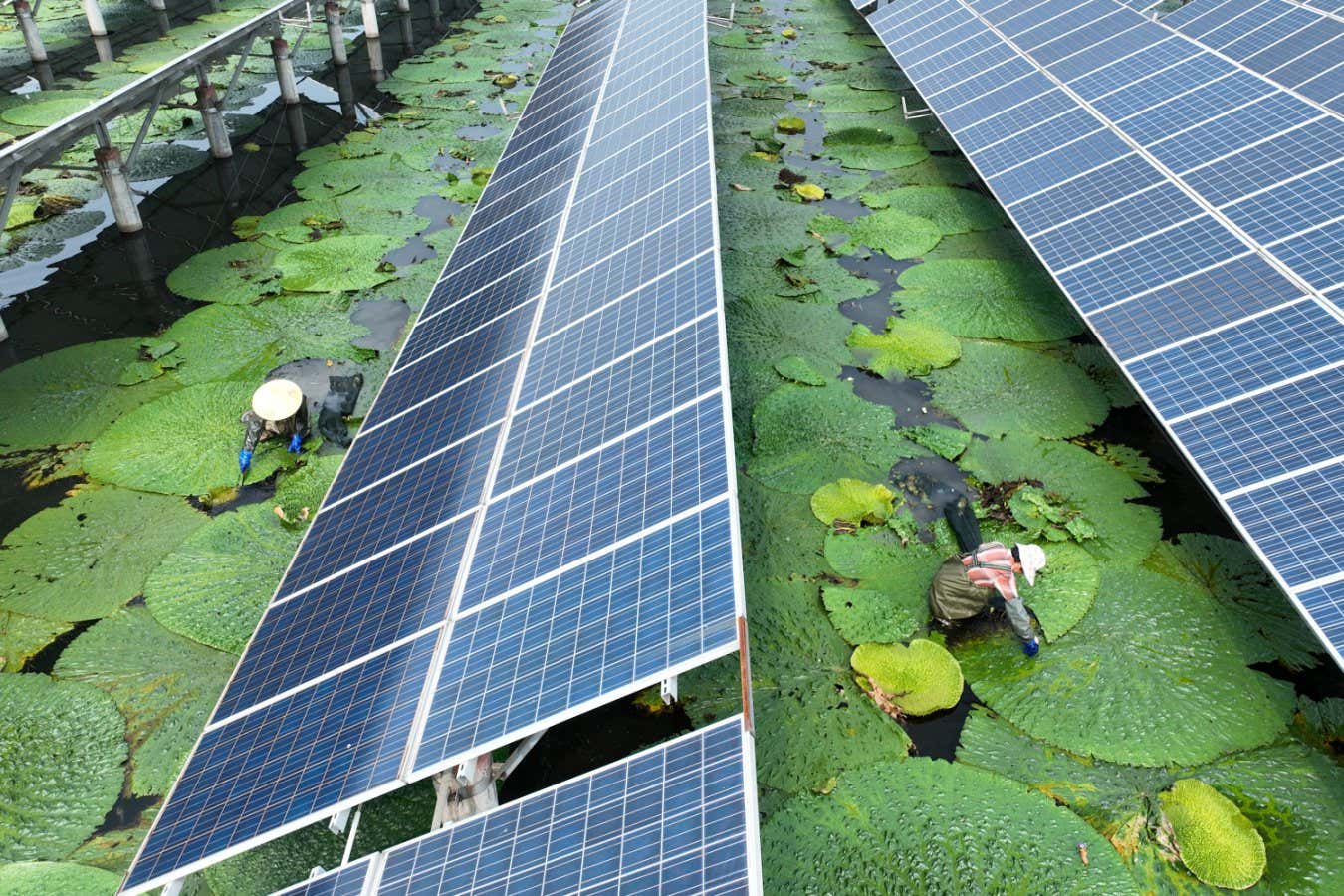
Not only can solar energy completely meet all of the world's energy needs, in the long term it is the only energy source that will not overheat the Earth.
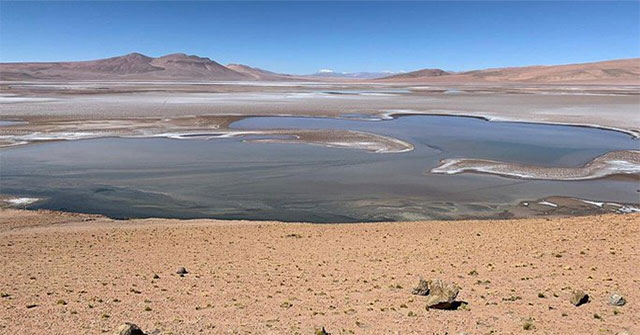
A planet has just been confirmed as being as promising a place for the origin of life as the early Earth, if not more so.
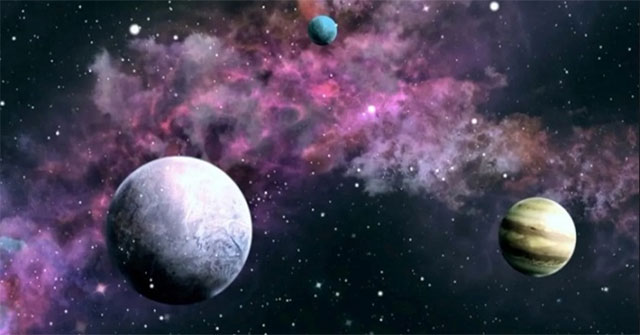
Astronomers estimate there are about 100,000 trillion billion planets in the universe based on the assumption that every star has a planet orbiting it.
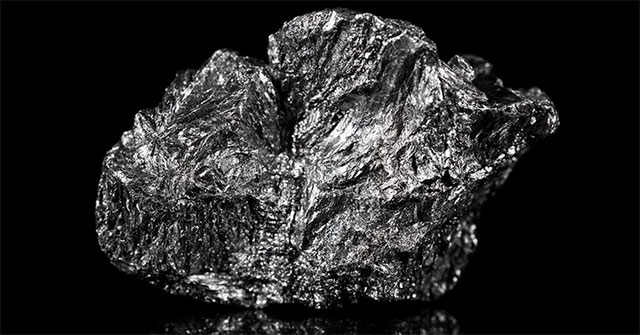
Many people might think that tungsten is the substance with the highest melting point on our planet, but that is not the case at all.

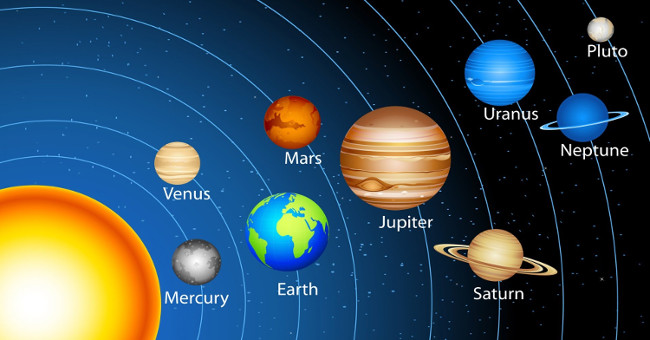
Scientists believe that in the future, with the development of science and technology, we will be able to reach the Sun.