Space science
What is a spacecraft 23 billion kilometers from Earth doing?
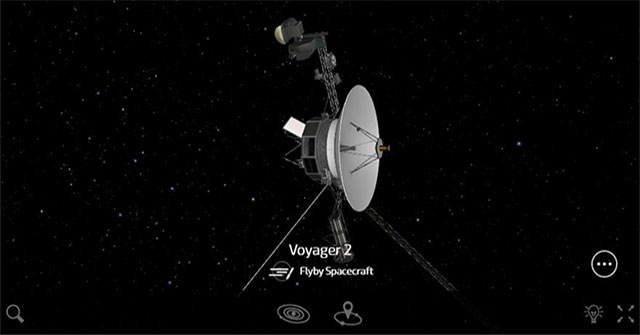
The twin spacecraft Voyager 1 and Voyager 2 continue to explore the universe 45 years after launching from Earth and 22 light hours away from the planet.
Browse ScienceInfo articles and explainers related to Solar.
2,143 published items.
The twin spacecraft Voyager 1 and Voyager 2 continue to explore the universe 45 years after launching from Earth and 22 light hours away from the planet.
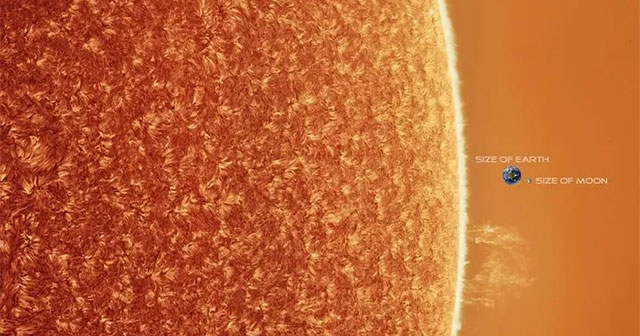
Although it is the largest object in the Solar System, the Sun is only average in size compared to the rest of the stars in the Milky Way galaxy.
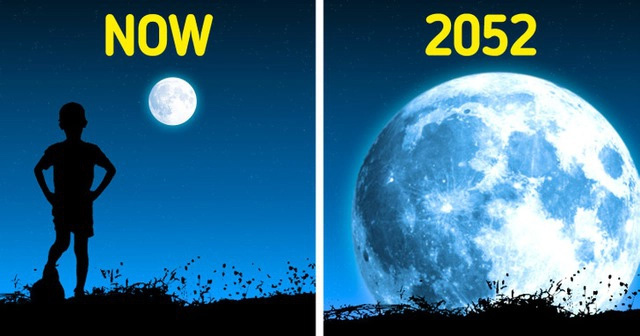
Here is a list of the most unusual and rare natural phenomena we will see this century as predicted by astronomers.
Illustrations of the Solar System do not accurately represent the size and motion of the planets in space.
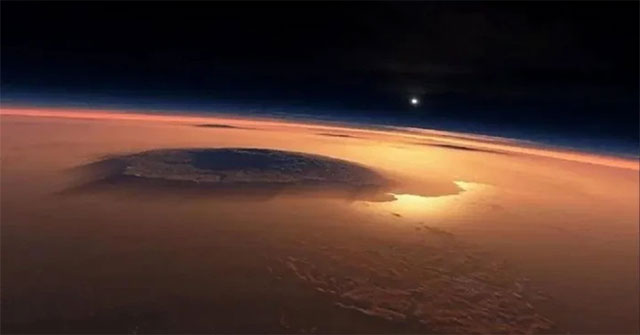
Mount Olympus on Mars is the largest mountain in the Solar System and is believed to be the tallest of the eight planets.
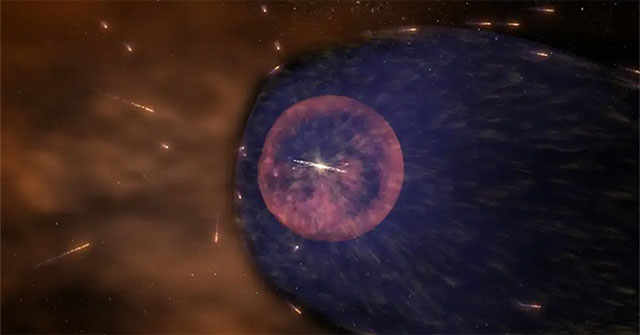
Strange data from a NASA spacecraft reveals the ghostly, wrinkled, rippled structure of a cosmic bubble encircling the solar system.

A collision with a rogue planet would destroy Earth completely. Its mere presence in the Solar System would also change the orbits of all the planets.
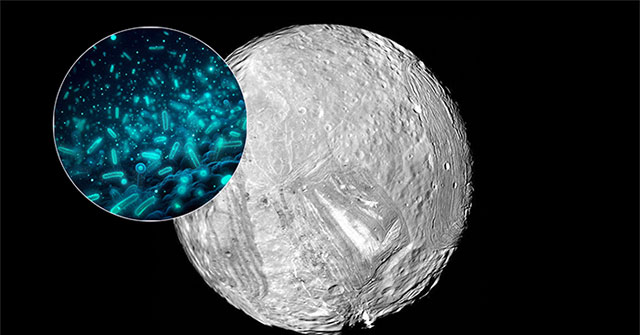
In what was thought to be the darkest and deadliest place in the Solar System, NASA's Voyager 2 spacecraft made a shocking discovery.
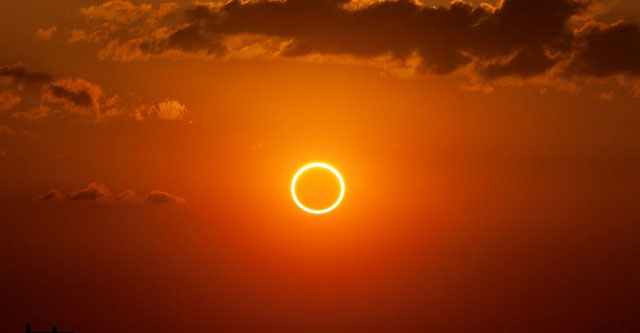
Millions of people in the Americas will be able to witness an interesting astronomical phenomenon on October 14, which is an annular solar eclipse (when the Moon is seen…
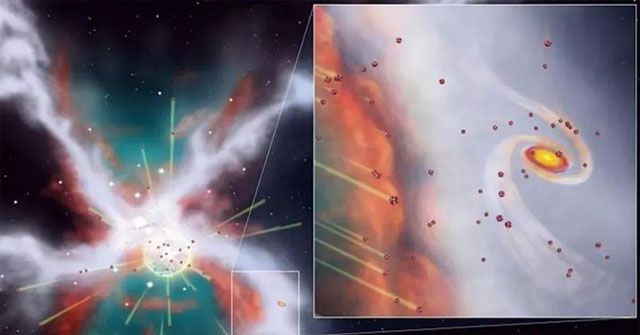
The chilling discovery of a huge amount of radioactive aluminium hitting the Solar System 4.6 billion years ago suggests the baby Earth had a narrow escape.
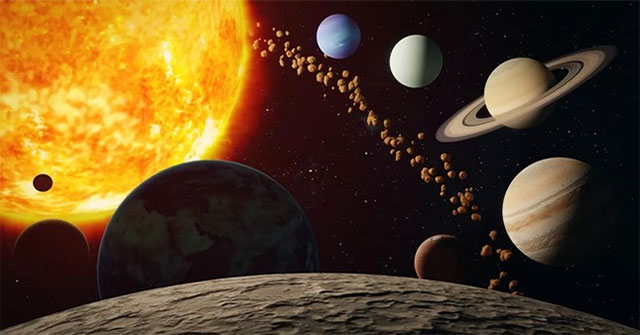
A new analysis of chaos in the solar system has revealed how planetary collisions were avoided for billions of years.
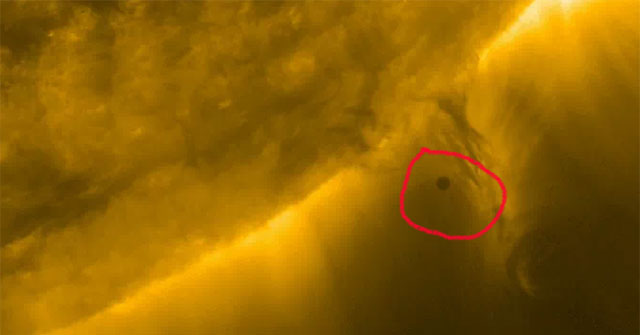
The Solar Orbiter spacecraft observed Mercury as it crossed the Sun, a rare moment.

NASA instruments have captured the moment part of the Sun appeared to be completely detached and caught in a polar vortex.
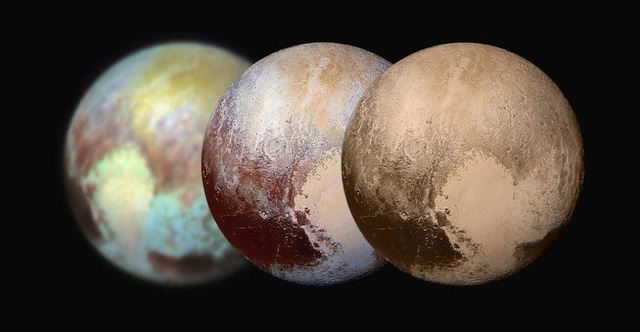
Pluto, this mysterious planet far from the Sun, has always been the focus of research for astronomers.
This new technology will help products such as phones, electric cars or household electrical appliances to be used continuously without needing to be charged.