Animal world
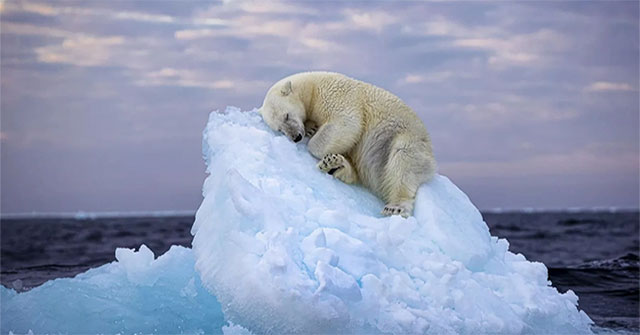
Polar bears struggle with climate change
Amid climate change and shrinking habitats, polar bears are struggling to adapt to new conditions.
Browse ScienceInfo articles and explainers related to Injury.
231 published items.
Amid climate change and shrinking habitats, polar bears are struggling to adapt to new conditions.
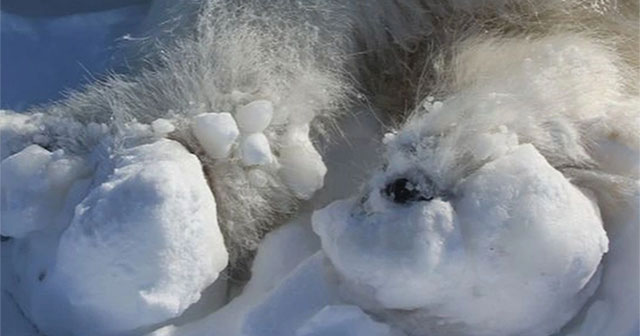
Polar bears are suffering terrible injuries to their paws due to changing ice conditions in the area.
The advance opens up new research directions on brain injuries and hopes to improve survival and recovery rates for brain-dead patients in the future.

According to the Insurance Institute for Highway Safety (IIHS), head restraints not only provide comfort but also play an important role in protecting the body.
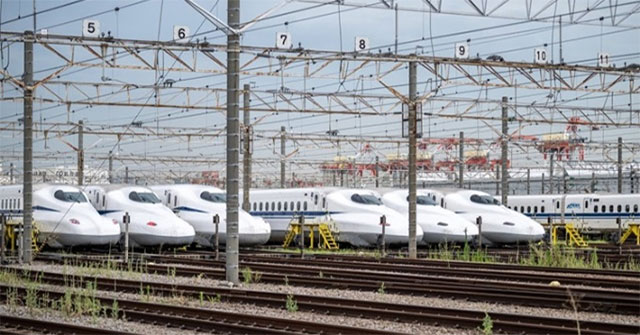
Shinkansen trains have not caused any fatalities or injuries since they began operating, and the average delay is less than 5 minutes.
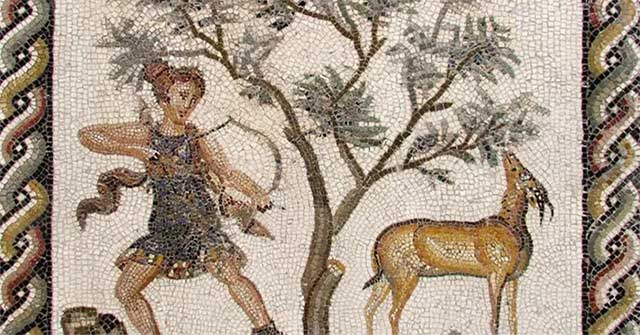
According to some new research, prehistoric women not only regularly participated in hunting, but they also had more favorable physiology for this activity than men.
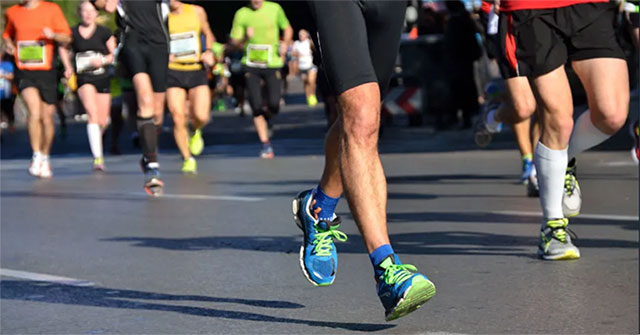
Propeller syndrome can make runners less efficient and more prone to injury by affecting ligaments and joints when moving.
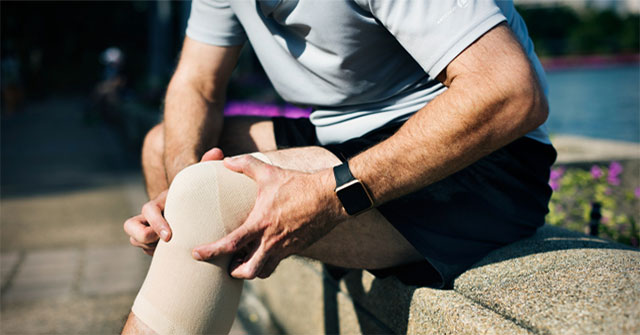
Minor injuries on the outside of the knee only need to be washed with clean water, but soft injuries will require the application of the RICE method.

The new discovery will help reduce the risk of death and serious injury from the bites of one of South America's deadliest venomous snakes.
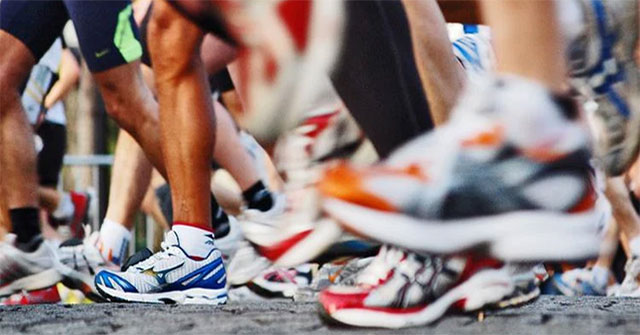
According to estimates, the sports shoe manufacturing industry is worth 20 billion USD. If you are a runner, you know that running shoes have never been cheap.
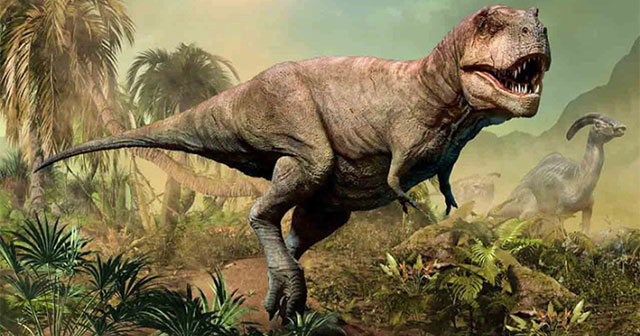
New research suggests that the T-rex's short arms were an evolutionary way to reduce their risk of injury when hunting.
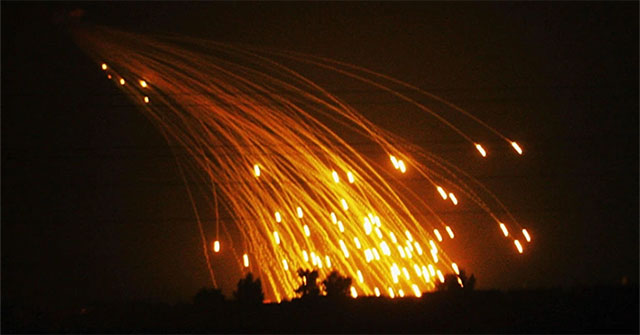
White phosphorus causes fire and serious injury to humans. This is considered an incendiary weapon that works on the principle of chemical reaction.
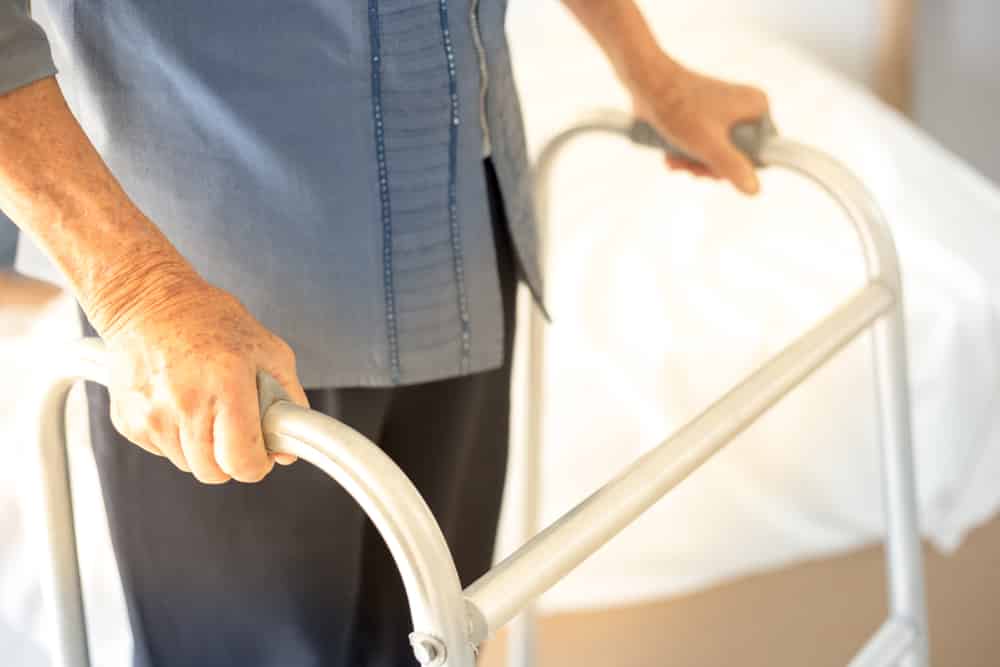
Thanks to an electrode device implanted in the spinal cord, Roccati is now able to do simple things again: stand at a bar with
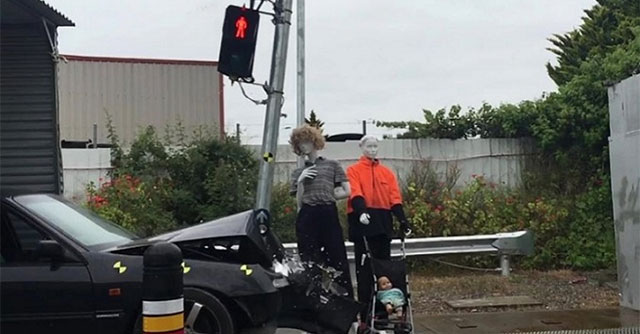
The researchers designed traffic lights that use foam that helps absorb the kinetic energy of a crash, reducing the risk of injury and breakage in an accident.
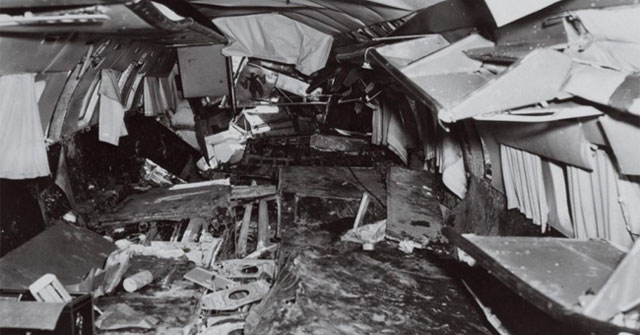
Although seat belts were considered an option in 1929, Charles N. Monteith, chief engineer at the Boeing Aircraft Company (BAC), figured it would be common sense.