Space science
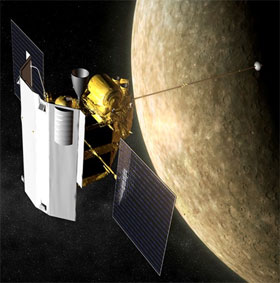
NASA spacecraft rushes down to Mercury's surface
The US Aeronautics Agency (NASA) said the Messenger probe crashed into Mercury's surface because it ran out of fuel after 11 years of operation.
Browse ScienceInfo articles and explainers related to Mercury.
228 published items.
The US Aeronautics Agency (NASA) said the Messenger probe crashed into Mercury's surface because it ran out of fuel after 11 years of operation.
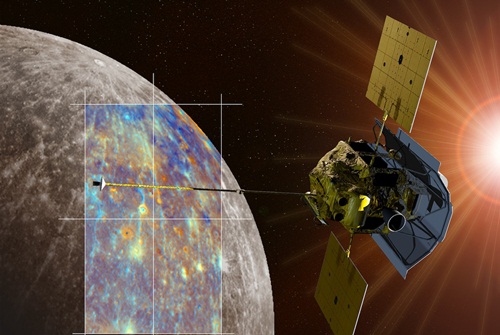
The exploration ship Messenger of the US Aerospace Agency (NASA) ends its mission by crashing into Mercury, after more than four years of spinning around the planet.
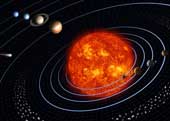
In the solar system, the hottest planet is not the closest to the Sun, Pluto is only half the size of America.
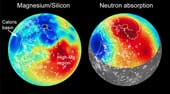
The Messenger spacecraft recently provided a chemical map of Mercury's surface, revealing important information about the planet's development history.
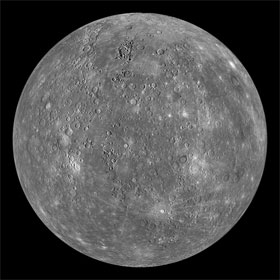
Mercury is the sun closest to the sun in the solar system, it has been studied quite well by scientists over time.
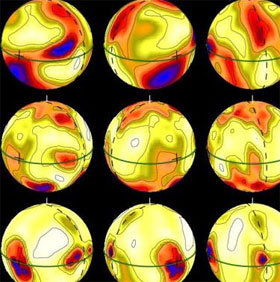
On Earth there are many extremely strange natural phenomena that you may never have seen: the phenomenon of fire rain, red tide or the phenomenon of lightning hitting th…
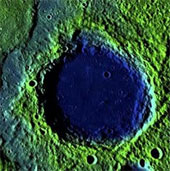
Mercury is gradually shrinking and
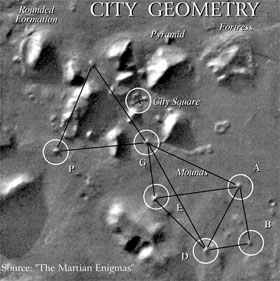
A UFO expert believes that NASA's strange photos taken from Mercury show traces of a city on this 400-degree C planet.
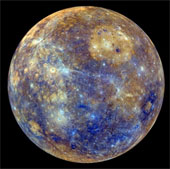
The smallest planet and the closest to the sun are shrinking in size faster than previously calculated by experts.
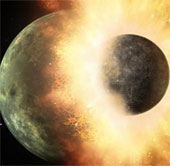
Mercury can unravel the long-standing mysteries of the moon's formation, after scientists found unexpected similarities between these two bodies.
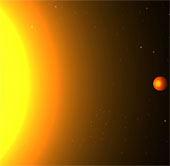
With the newly discovered planet, its year is just one day of working on Earth, about 8:30.
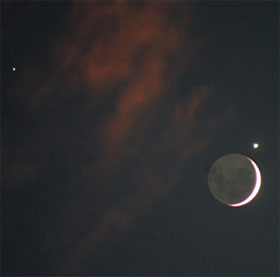
Astronomers will have the opportunity to admire the moon, Venus and Mercury in the night sky on June 10.
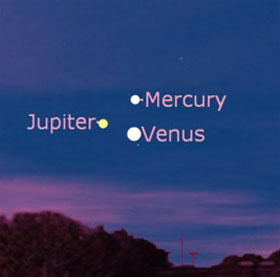
Tonight Jupiter, Venus and Mercury will form a triangle in the night sky, a scene that people must wait until 2026 to see again.
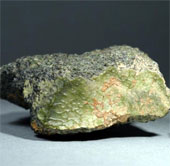
Many people saw a meteorite on fire in the sky in North Africa in July last year, but it was not until late December that scientists discovered its fragments at a place…
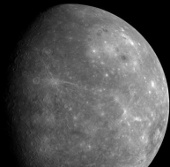
Mercury, the planet that is closest to the sun, may have owned a large ma-ocean ocean and curled up early in its 4.5-billion-year history.