Space science
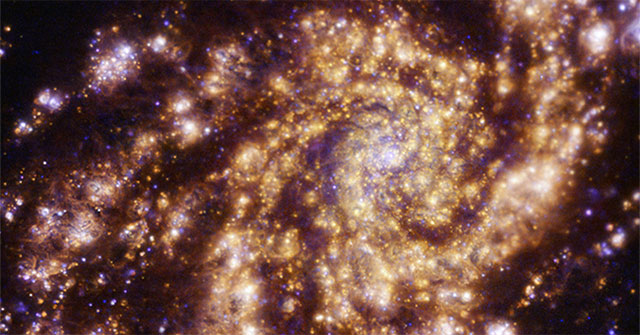
Traveling through time 55 million years, a world similar to ours has materialized.
The European Southern Observatory (ESO) has just released spectacular images of a mirror world within the Milky Way galaxy, which contains Earth.
Browse ScienceInfo articles and explainers related to Milky.
356 published items.
The European Southern Observatory (ESO) has just released spectacular images of a mirror world within the Milky Way galaxy, which contains Earth.
Humans have long suspected that they are not alone in the universe, and modern science says there may be dozens of alien civilizations lurking not far from Earth.

Just a handful of land costs up to 9 billion USD, making it difficult for the super rich to buy because of its rarity. So, what kind of land is this?
Astronomers estimate there are about 100,000 trillion billion planets in the universe based on the assumption that every star has a planet orbiting it.
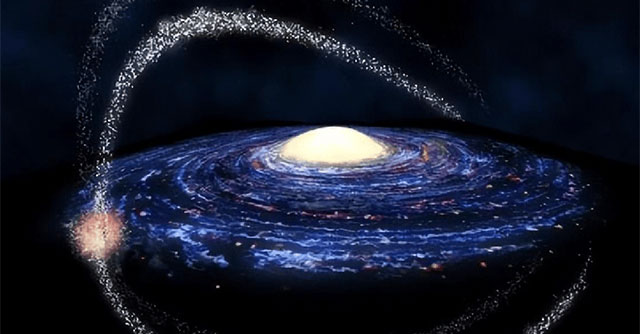
In the journey of exploring the universe, each new discovery brings unique perspectives and sometimes, heated debates within the scientific community.
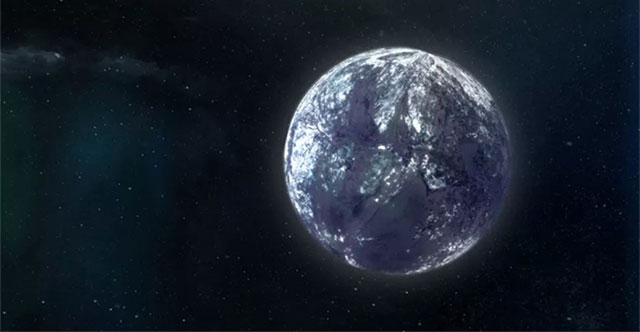
An upcoming NASA telescope could discover more than 400 lonely Earth-sized planets wandering the Milky Way.
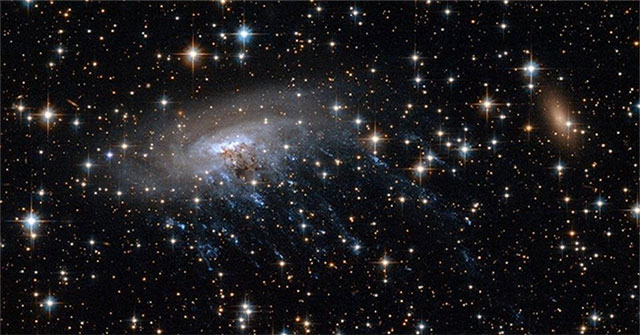
Illustrations of the Solar System do not accurately represent the size and motion of the planets in space.
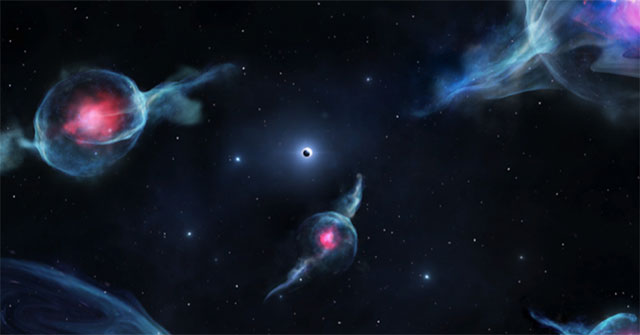
Astronomers have found six objects orbiting the supermassive black hole Sagittarius A* at the center of the Milky Way, with appearances and characteristics unlike anythi…
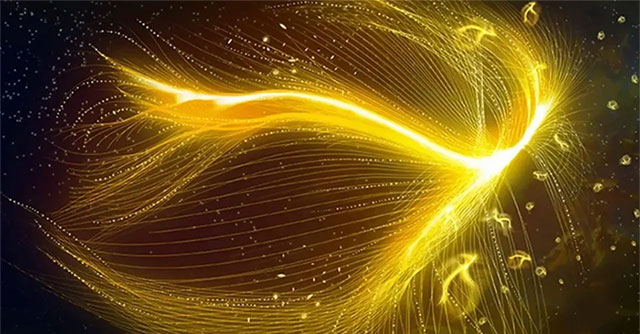
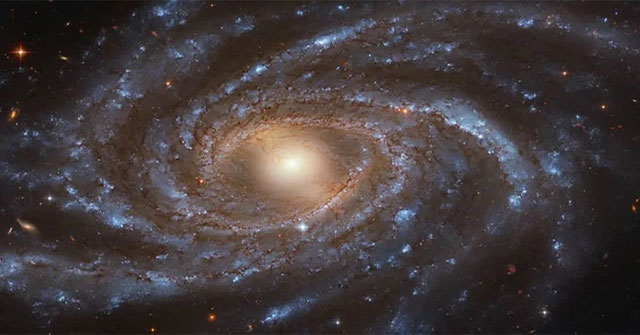
One of the key ingredients for life on Earth to arise has been found in the most unexpected place:
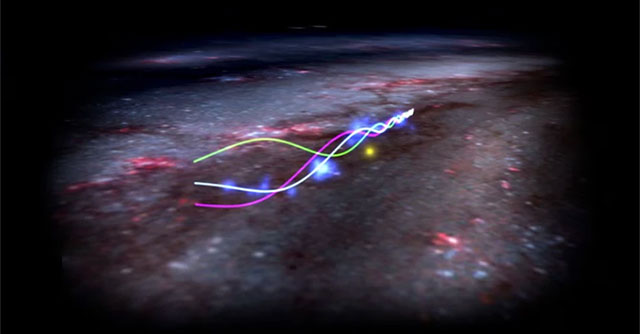
Astronomers continue to discover strange things in the universe, and the latest is a phenomenon called Radcliffe Waves, and what's more interesting is that it once swept…
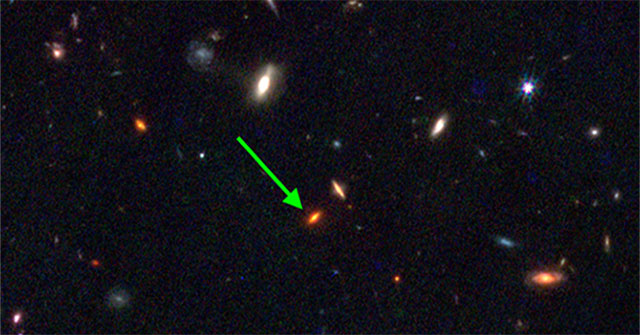
It is an object
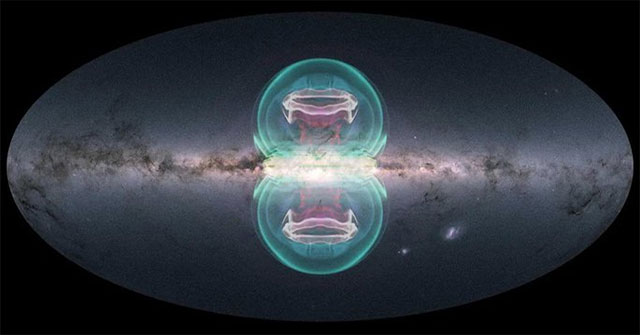
A study from Japan has provided an explanation for one of the most mysterious and spooky structures ever discovered: a pair of giant Fermi bubbles blowing out from the c…
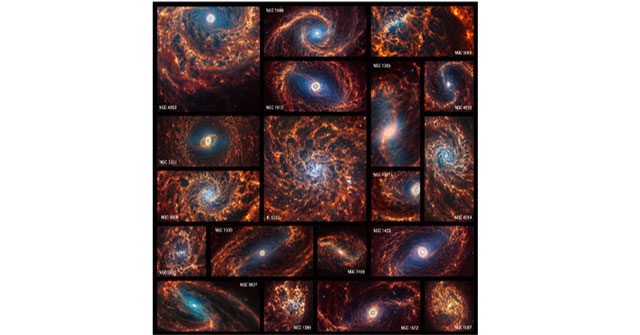
The James Webb Space Telescope has captured stunning images, with remarkable detail, of 19 spiral galaxies located relatively close to the Milky Way.
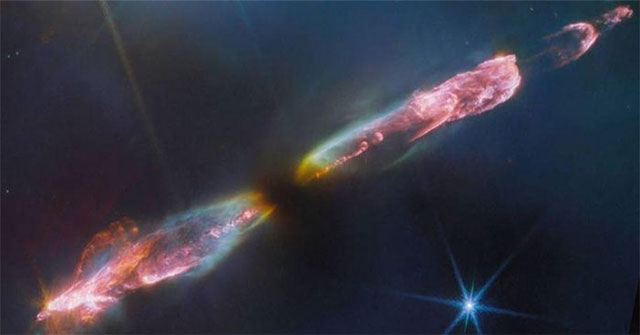
The James Webb Space Telescope has captured a new image of a sun-like protostar spewing gas and dust in a shockwave that looks incredible when seen in infrared light.