
Medicine - Health
A 1-hour nap increases the risk of diabetes by 45%
People who sleep for 1 hour are at a higher risk of developing type 2 diabetes (non-insulin dependent diabetes or type 2 diabetes) than those who do not sleep or sleep l…
Browse ScienceInfo articles and explainers related to Nap.
301 published items.
People who sleep for 1 hour are at a higher risk of developing type 2 diabetes (non-insulin dependent diabetes or type 2 diabetes) than those who do not sleep or sleep l…
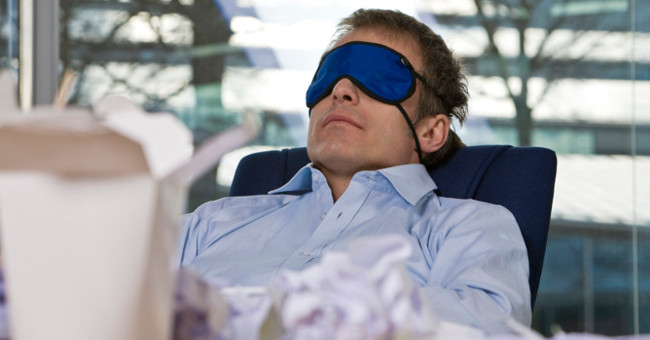
The body needs to sleep at least 7 hours at night and a nap at noon to ensure active energy, the mind is always alert.

Children are very vulnerable to exploiters and frauds because of their low awareness, naive and immature knowledge. However, it is not so that parents keep their childre…
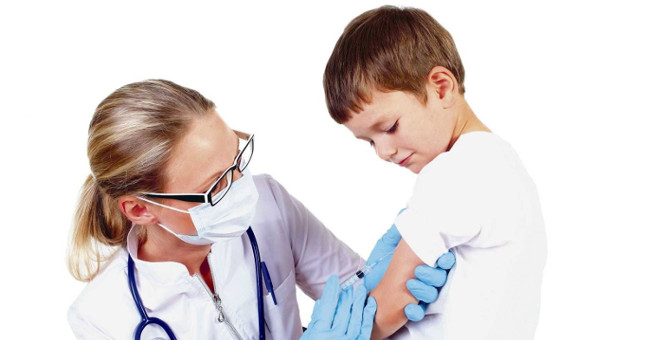
Post-vaccination reactions are usually systemic symptoms associated with skin manifestations such as erythema, Quincke edema, urticaria or respiratory tract, including r…

The people here have an average age of over 90, especially not sick and leave in the most natural way when they reach the centenary.

Too indulging yourself with a 'smooth' nap routine will cause your body to face unpredictable health warnings.

Eating, sleeping or moving ... are essential needs of the body. In the absence of sleep, people will exhausted their strength, wear out their bodies, become old and have…
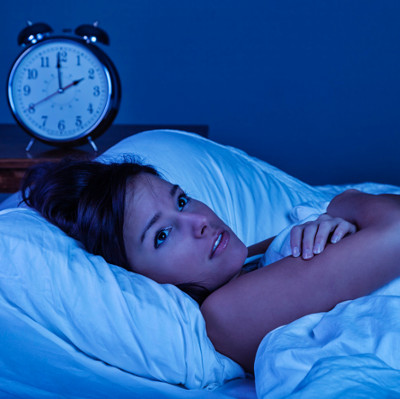
The messy bedroom, shift work, overeating at night ... are unexpected causes that interrupt night sleep, making it difficult for you to fall asleep.

One of the world's longest living women celebrated her 116th birthday. With each of those five years of life experience, her advice must be imbued with the contemplation…

Experts warn, too eager to watch TV makes you sit for hours continuously increasing the risk of forming blood clots causing pulmonary embolism leading to death.
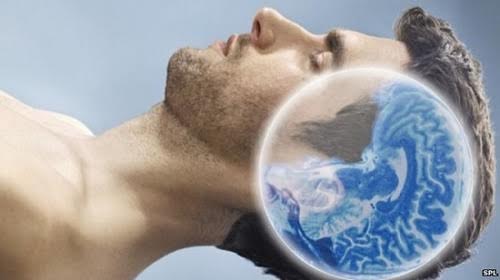
US scientists are studying gene mutation in subjects who only need to sleep 4 hours a night and are still completely healthy, in order to find a sleep control interventi…

Australian scientists have reported finding a complete cure for chronic hepatitis B for hundreds of experimental mice and are beginning to experiment on humans.

Daytime naps, such as naps at noon, though lasting only 45 minutes, are enough to increase our memory by five times.

All types of seafood in general can cause allergies, but species such as shrimp, crabs, oysters, squid are the most allergenic.

Sleeping in a sleeping position with a head on the table in the long term may increase the risk of the following diseases.