Space science
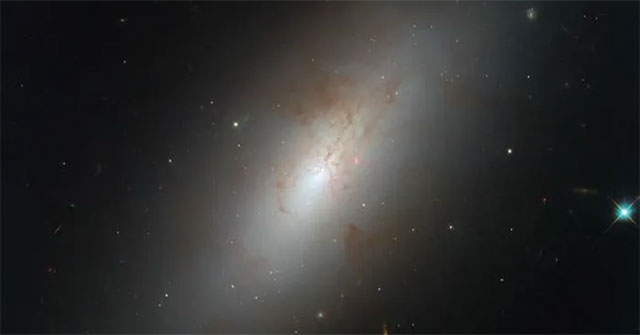
Revealing the super object 'between 2 worlds' that confuses NASA
The Hubble telescope has captured an object that scientists cannot classify, located 54 million light years away.
Discover surprising science, unexplained phenomena, materials, history, nature and fascinating facts that reveal how the world works.
40,619 published items in this category and its subcategories.
The Hubble telescope has captured an object that scientists cannot classify, located 54 million light years away.
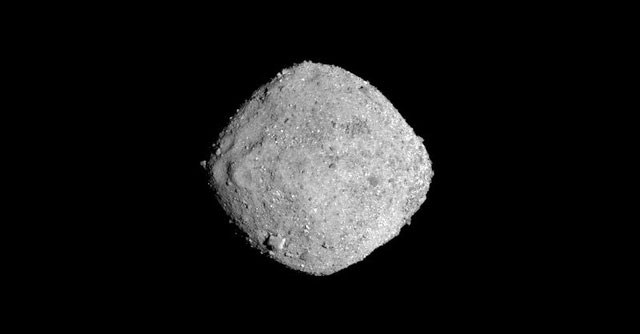
NASA is tracking nearly five of the most dangerous asteroids to Earth, including those with a high risk of causing a catastrophic impact.
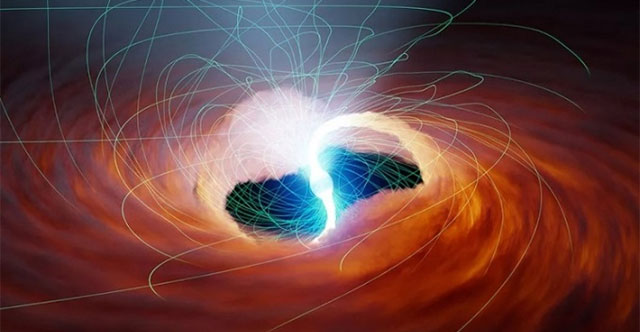
An X-ray-emitting star located in the Messier 82 galaxy about 12 million light-years from Earth is so bright it breaks the laws of physics.
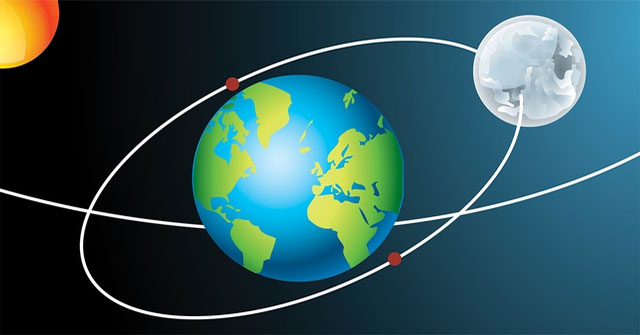
The Moon is the Earth's only natural satellite. In fact, the Moon orbits the Earth at a steady speed of about 1km/s.
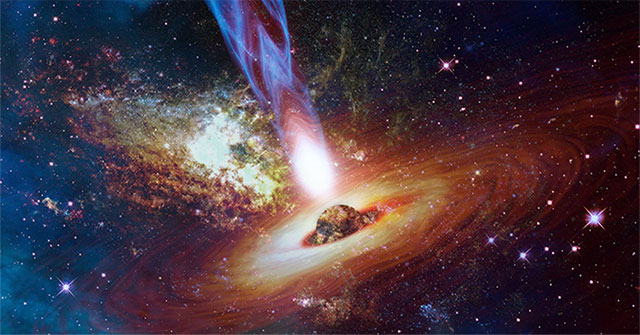
To date, there are still many unknown and uncertain aspects about the properties and behavior of quasars.
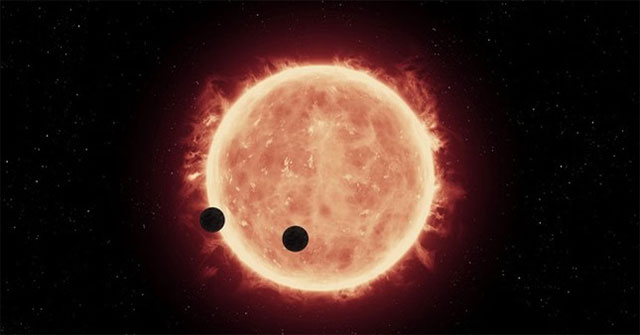
We know that one in five stars has an Earth-like planet. There are 200 billion stars in our galaxy alone.

A planet has just been confirmed as being as promising a place for the origin of life as the early Earth, if not more so.
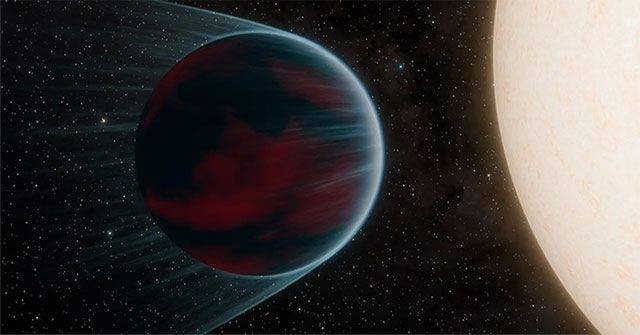
TOI-3261b is located in the constellation Hydrus and belongs to a class of planets that were thought impossible to form.
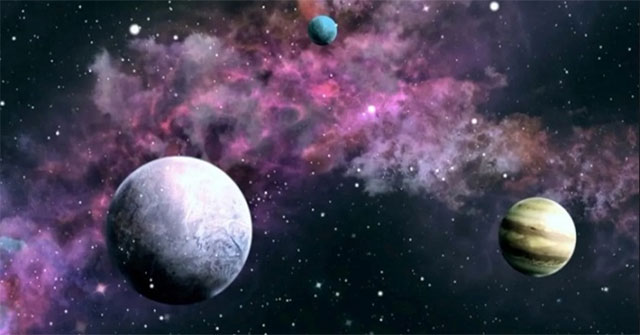
Astronomers estimate there are about 100,000 trillion billion planets in the universe based on the assumption that every star has a planet orbiting it.
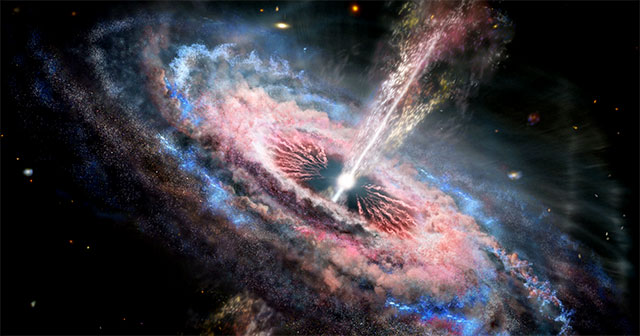
How did the universe come into being? This is one of the oldest and most intractable questions in human history.
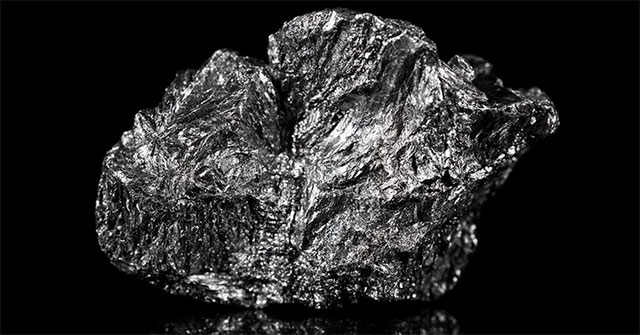
Many people might think that tungsten is the substance with the highest melting point on our planet, but that is not the case at all.
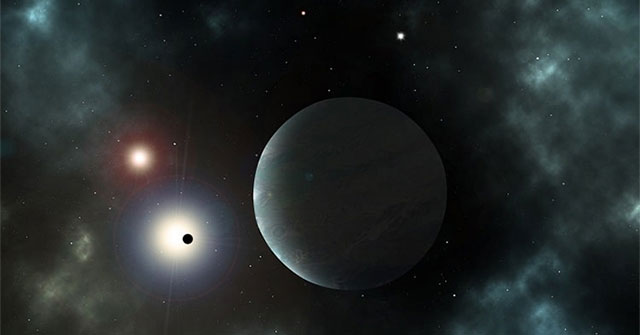
American scientists have identified special star systems where up to one-third of the planets could be filled with water and life, not just a single Earth like in the So…
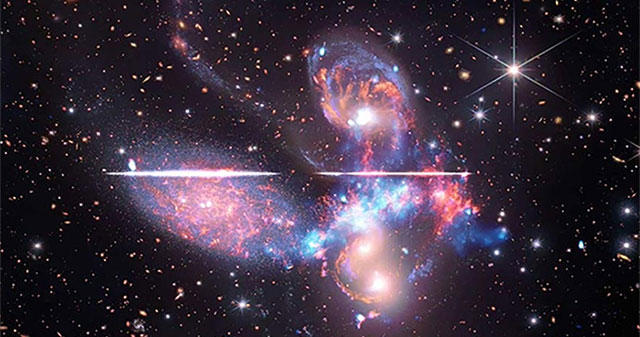
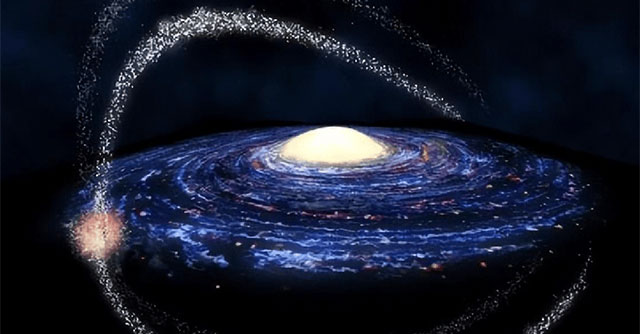
In the journey of exploring the universe, each new discovery brings unique perspectives and sometimes, heated debates within the scientific community.
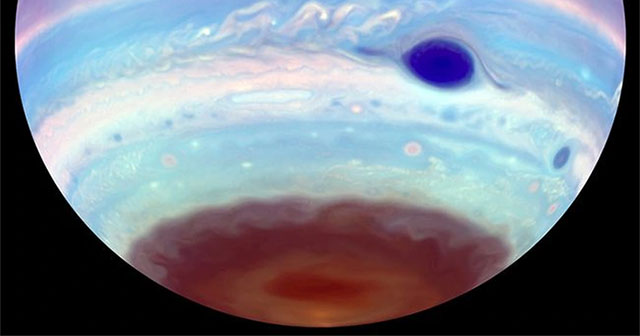
Using the Hubble Space Telescope, planetary scientists observed dark oval-shaped objects appearing on Jupiter.