
Space science
The Solar System is far more complex than we think.
As the only highly intelligent life form in the Solar System, humans have existed on Earth for 5 million years.
Browse ScienceInfo articles and explainers related to Human.
6,757 published items.
As the only highly intelligent life form in the Solar System, humans have existed on Earth for 5 million years.

Human life has become more civilized and developed thanks to inventions. However, some of them also pose a danger to the world.

At that time, humans and most other life forms that depend on oxygen for survival have almost no chance of survival on Earth.

Humans have long suspected that they are not alone in the universe, and modern science says there may be dozens of alien civilizations lurking not far from Earth.

Why has the rabbit's miraculous reproductive ability never made it a staple food source for humans? What secret is hidden behind this?

From dubious theories about the Big Bang to explosive speculations about aliens, these theories will really give you a whole new perspective on space and the universe.

In 1961, Soviet cosmonaut Yuri Gagarin became the first human to make a historic space flight. The Soviet Union launched many other missions after that.

The old farmer never expected that the human-faced vase he found would turn out to be a national treasure dating back thousands of years.

In the past, humans have always pursued the mysteries of science and tried to explain the nature of the universe.
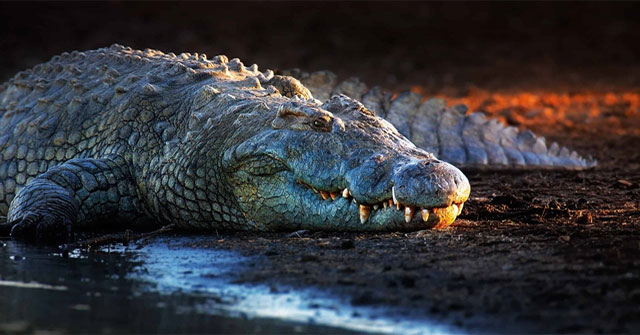
Like humans, animals must eat to function and grow.

When asked by her creator if she wanted to destroy humanity, the super robot Sophia responded frankly:
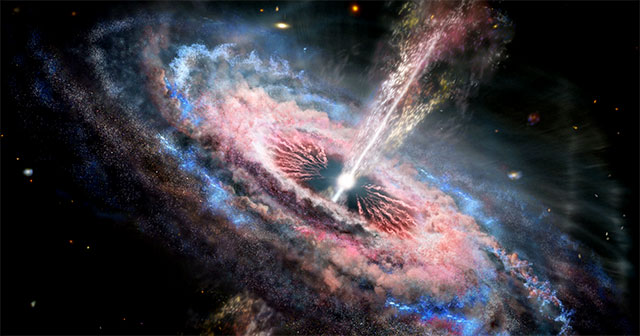
How did the universe come into being? This is one of the oldest and most intractable questions in human history.

Dadu was stranded on one of the world's most remote islands for nearly a year and survived on an unlikely food source: sharks.
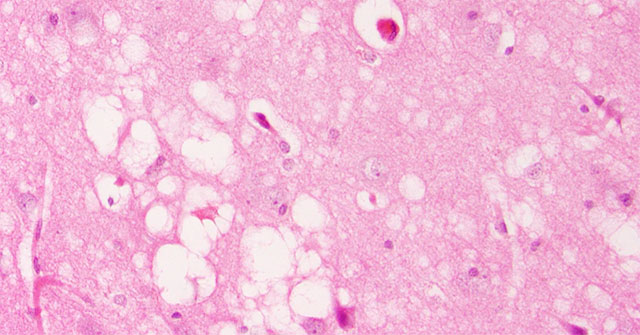
Most infectious diseases that were once deadly can now be prevented with vaccines or treatments, with the exception of a few dangerous ones like prion diseases.
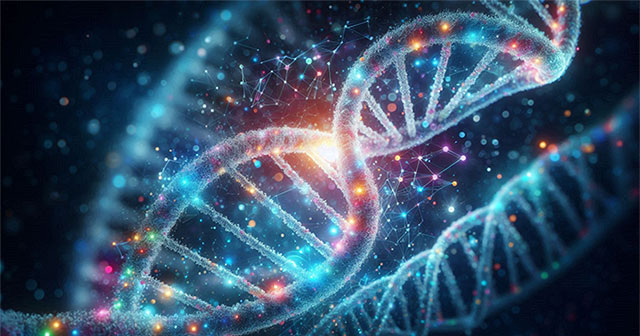
Our record of the human genome may still be missing tens of thousands of