
Space science
What Are Exoplanets?
Exoplanets are planets beyond our solar system. They range from small rocky worlds to giant planets and can orbit stars very different from the Sun.
Browse ScienceInfo articles and explainers related to Star.
2,095 published items.
Exoplanets are planets beyond our solar system. They range from small rocky worlds to giant planets and can orbit stars very different from the Sun.
Astronomers usually detect exoplanets indirectly, by measuring how a planet changes the light, motion, or gravitational behavior of its host star.
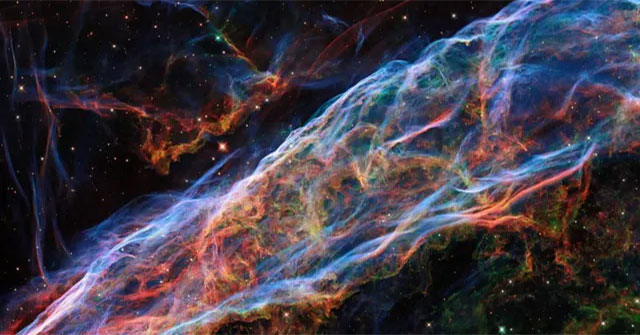
Essentially, nebulae are giant clouds of gas between stars that play a crucial role in the life cycle of stars.
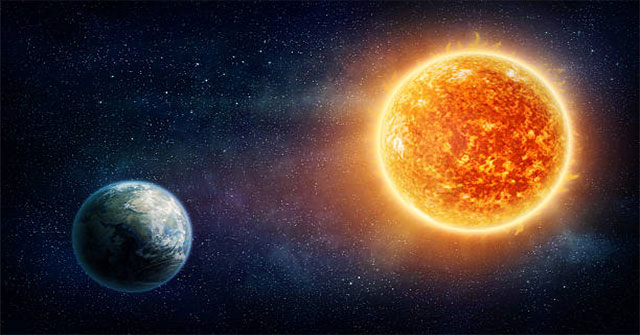
The average distance between Earth and the Sun is increasing, with the leading suspicion being that our parent star is becoming less dense.
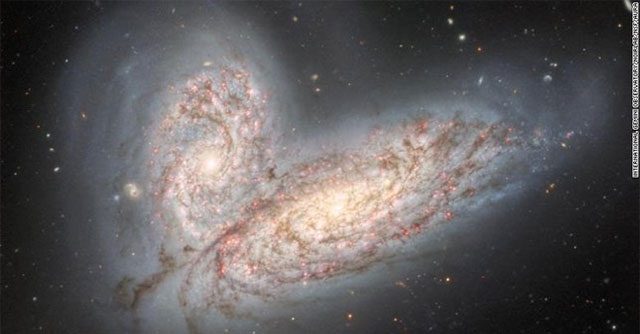
The Gemini North telescope, located atop Maunakea in Hawaii, USA, has discovered interacting spiral galaxies approximately 60 million light-years away in the constellati…
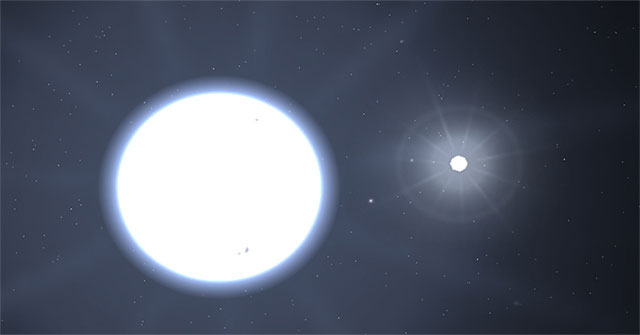
Sirius is the brightest star in the night sky with an apparent magnitude of -1.47, nearly twice as bright as Canopus, the second brightest star.
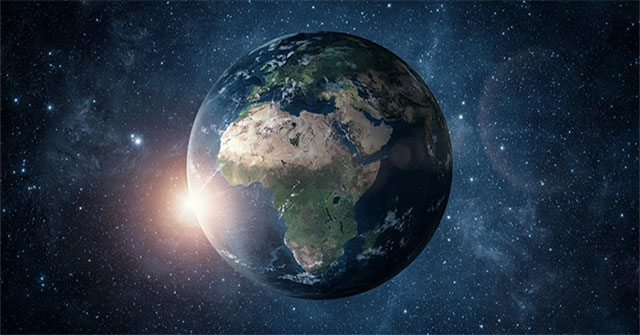
After being present on Earth for 250,000 years, we Homo sapiens have had to face a
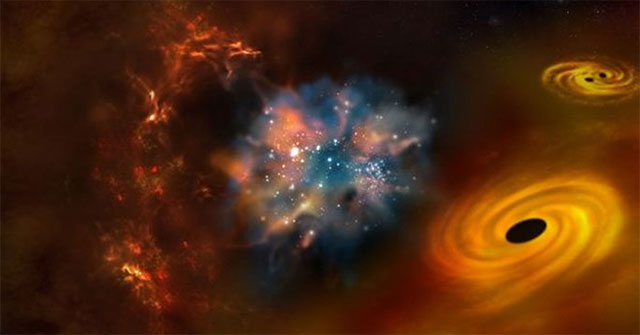
According to Space magazine, today these

As the only highly intelligent life form in the Solar System, humans have existed on Earth for 5 million years.
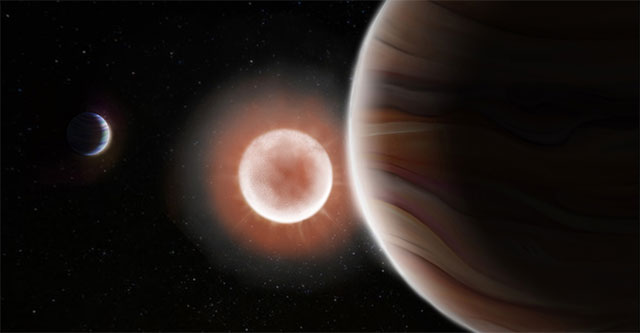
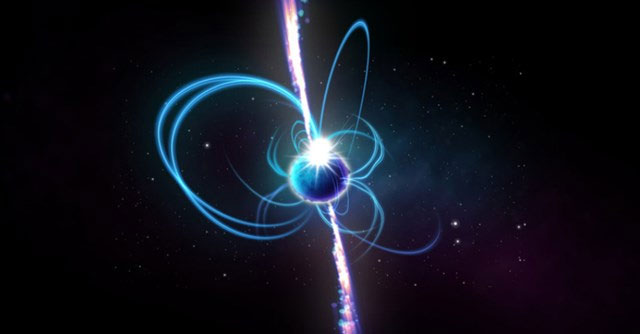
A newly observed neutron star merger has cast doubt on the previously known mechanism of black hole formation.
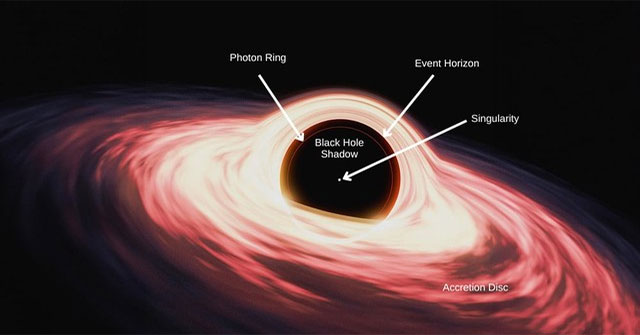
The area of gravitational influence around planets, stars, and black holes is spherical because it pulls equally in all directions.
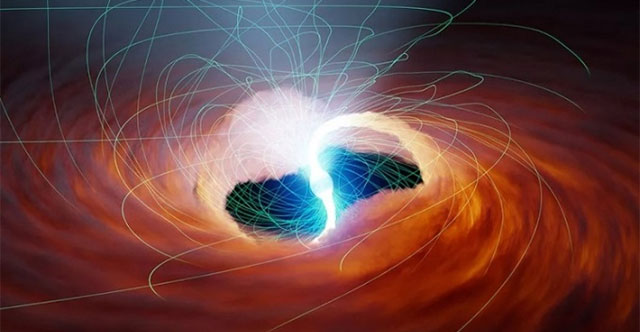
An X-ray-emitting star located in the Messier 82 galaxy about 12 million light-years from Earth is so bright it breaks the laws of physics.
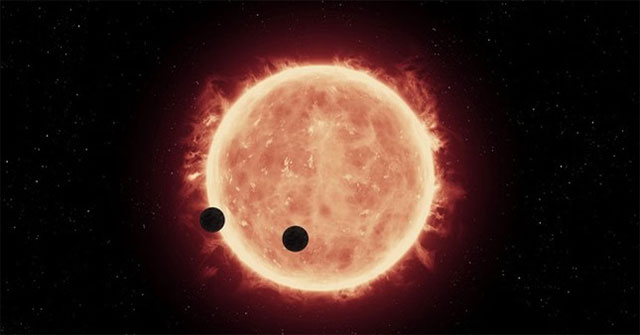
We know that one in five stars has an Earth-like planet. There are 200 billion stars in our galaxy alone.
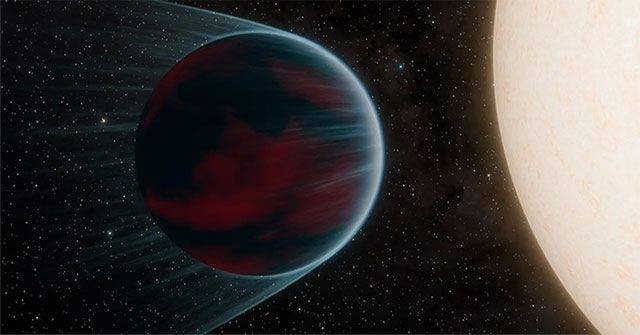
TOI-3261b is located in the constellation Hydrus and belongs to a class of planets that were thought impossible to form.