
Space science
What Makes an Exoplanet Potentially Habitable?
A potentially habitable exoplanet is a world where known conditions could allow environments suitable for life as we understand it; being in a star’s habitable zone is o…
Explore astronomy, NASA missions, planets, galaxies, the Moon, the Solar System and discoveries that expand our understanding of the universe.
8,698 published items in this category and its subcategories.
A potentially habitable exoplanet is a world where known conditions could allow environments suitable for life as we understand it; being in a star’s habitable zone is o…
Water exists on the Moon in more than one setting, but permanently shadowed regions near the lunar poles are especially important for science and exploration.
Exoplanets are planets beyond our solar system. They range from small rocky worlds to giant planets and can orbit stars very different from the Sun.
Astronomers usually detect exoplanets indirectly, by measuring how a planet changes the light, motion, or gravitational behavior of its host star.
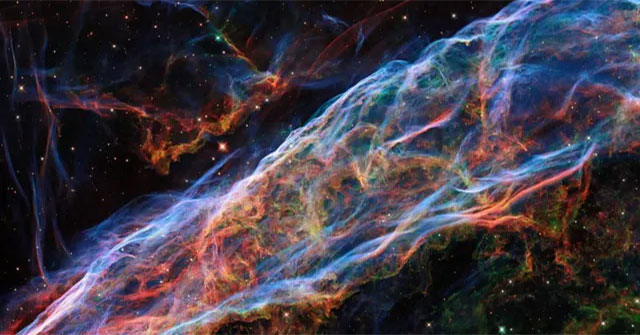
Essentially, nebulae are giant clouds of gas between stars that play a crucial role in the life cycle of stars.
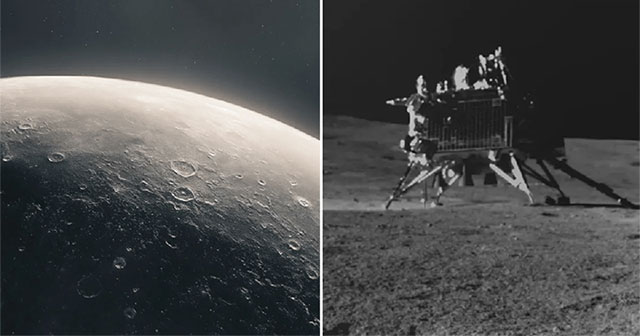
The Indian spacecraft only touched down on the Moon a month ago, but it has already made some major contributions to science.
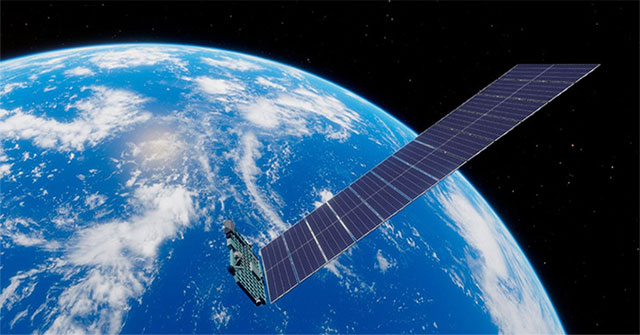
Shortly after launching 49 Starlink satellites, SpaceX Corporation
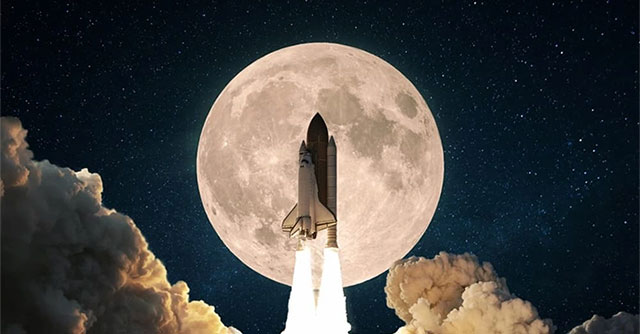
The Moon, Earth's only natural satellite, has always fascinated and intrigued humanity from ancient times to the present day.
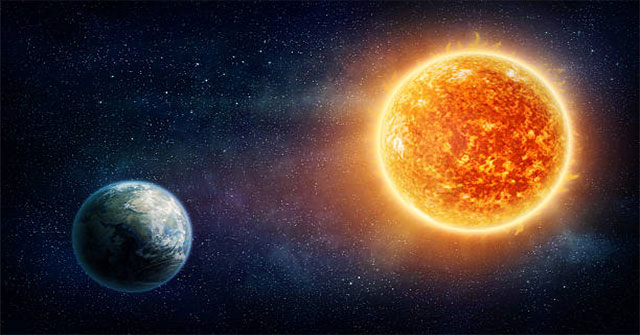
The average distance between Earth and the Sun is increasing, with the leading suspicion being that our parent star is becoming less dense.
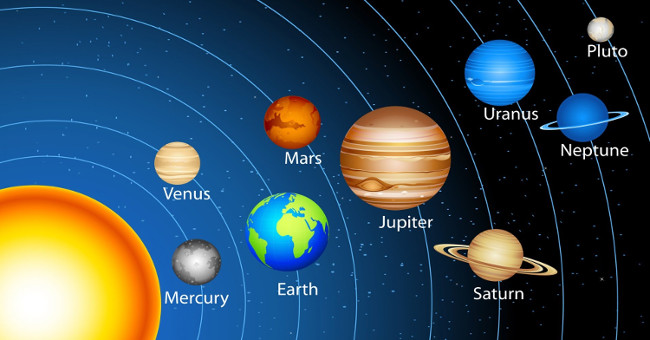
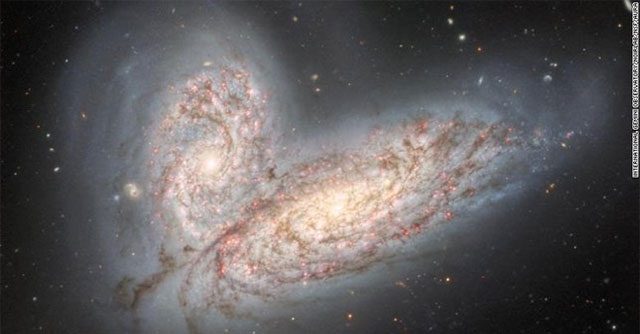
The Gemini North telescope, located atop Maunakea in Hawaii, USA, has discovered interacting spiral galaxies approximately 60 million light-years away in the constellati…
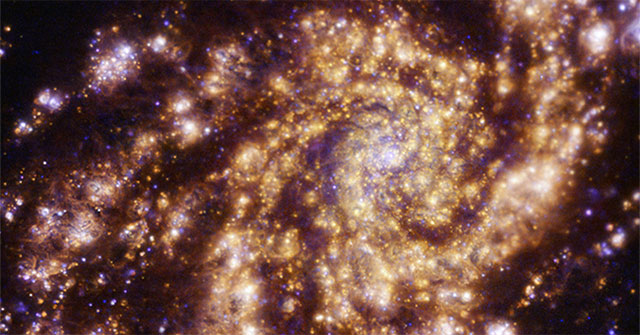
The European Southern Observatory (ESO) has just released spectacular images of a mirror world within the Milky Way galaxy, which contains Earth.

The speed of light, equivalent to 299,792,458 m/s, is considered the maximum speed limit revealed by Einstein's theory of relativity.
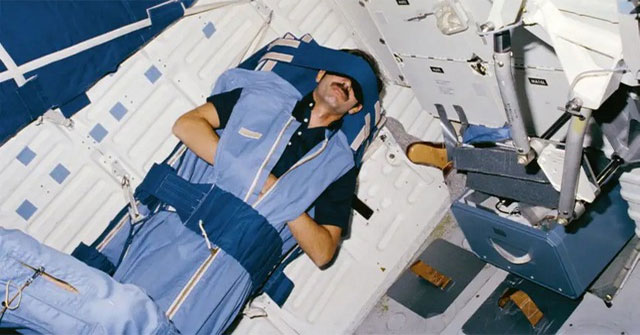
Astronauts and countless other NASA specialists and engineers frequently work under stressful conditions, and this is how they overcome drowsiness.
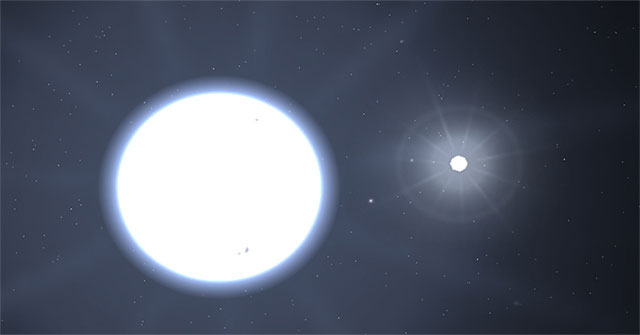
Sirius is the brightest star in the night sky with an apparent magnitude of -1.47, nearly twice as bright as Canopus, the second brightest star.