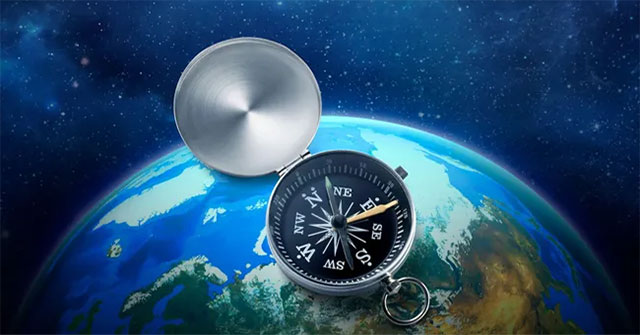
Space science
On Earth, a compass always points north – but where does it point in space?
On Earth, our planet's magnetic field points north, but in space, things are a bit more complicated.
Browse ScienceInfo articles and explainers related to Earth.
6,634 published items.
On Earth, our planet's magnetic field points north, but in space, things are a bit more complicated.

More than 2,000 years ago, an ancient scientist used only a stick to calculate the approximate circumference of the Earth with 99% accuracy.
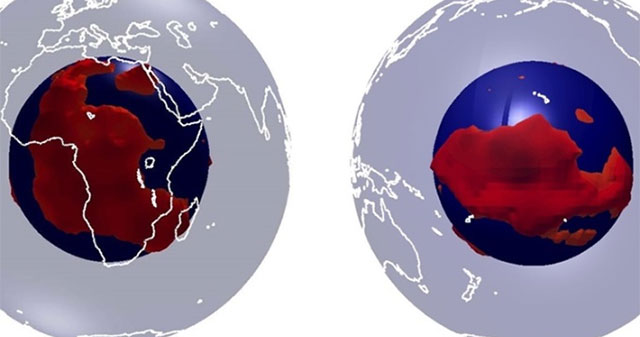
Scientists know almost nothing about the origin and composition of two large continent-sized rock masses located on opposite sides of the Earth's inner mantle.

Meteorites are often particularly heavy, magnetic, and bear characteristic marks from being heated as they plunged into the atmosphere.
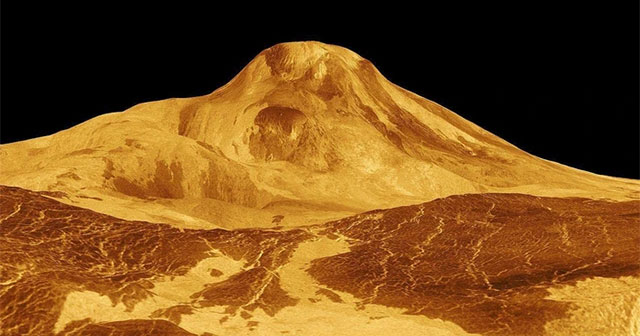
There are theories that in the 1990s, the Soviet Union discovered about 20,000 pyramid-shaped ancient city ruins on Venus, which appeared to have been abandoned long ago.
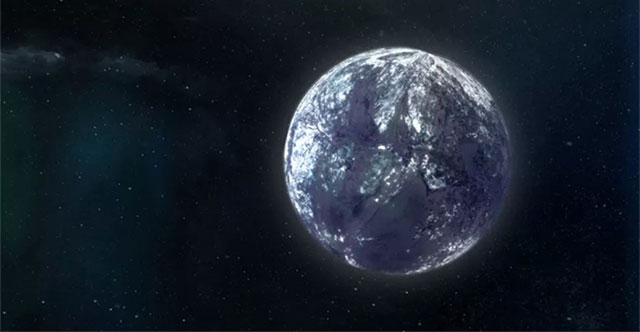
An upcoming NASA telescope could discover more than 400 lonely Earth-sized planets wandering the Milky Way.
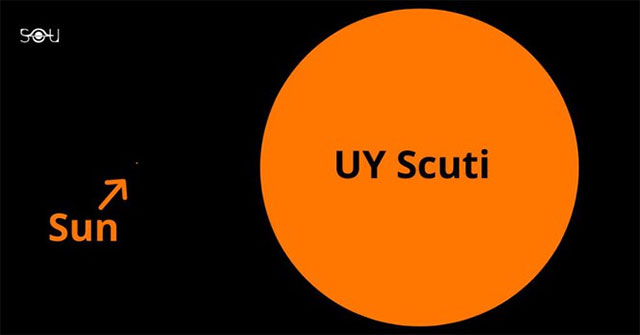
If the Earth were the size of a marble, the Sun would be the size of a yoga ball, and the largest star in the universe has a diameter that would be hard to believe.
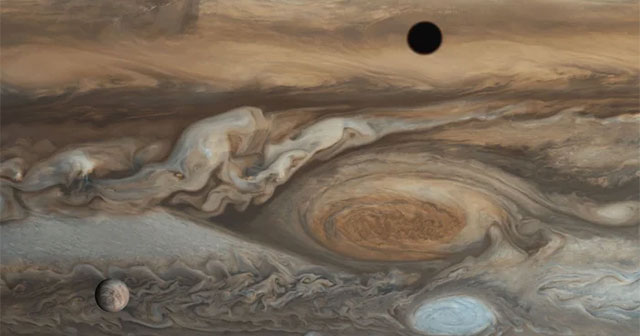
Jupiter's atmosphere is divided into four layers: the troposphere, stratosphere, thermosphere, and exosphere. Each layer has its own function and role in Jupiter's activ…
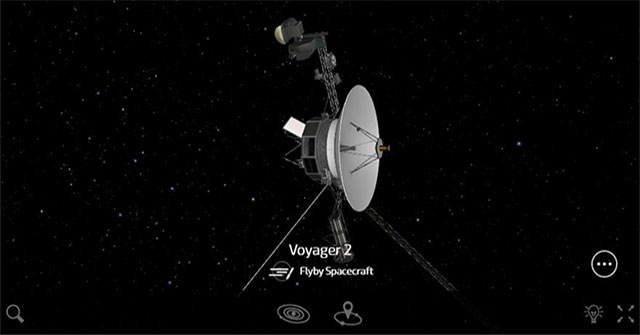
The twin spacecraft Voyager 1 and Voyager 2 continue to explore the universe 45 years after launching from Earth and 22 light hours away from the planet.

Scientists have discovered the most powerful cosmic rays ever recorded, likely originating from mysterious sources relatively close to Earth.

The 646-gram meteorite once left us, flew out into space, and somehow ended its extraordinary journey on Earth.
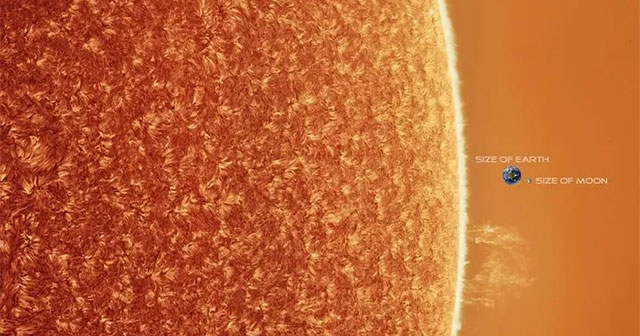
Although it is the largest object in the Solar System, the Sun is only average in size compared to the rest of the stars in the Milky Way galaxy.
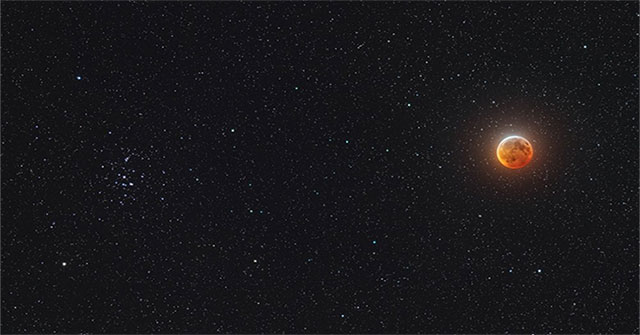
People in America and Europe had a memorable night with the appearance of the last supermoon and total lunar eclipse of the 2010s.
We know that in this universe, basically all celestial bodies rotate, of course our Earth is no exception.
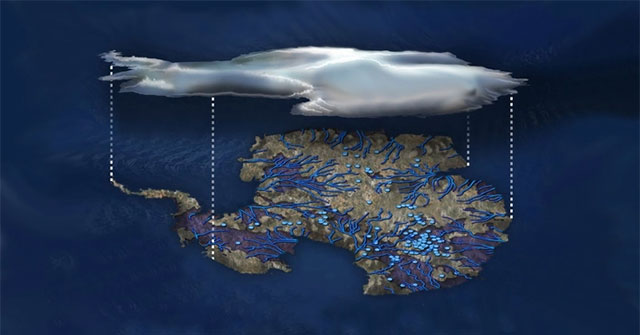
Scientists have confirmed that an almost completely ice-covered area in Antarctica hides a