Discover science
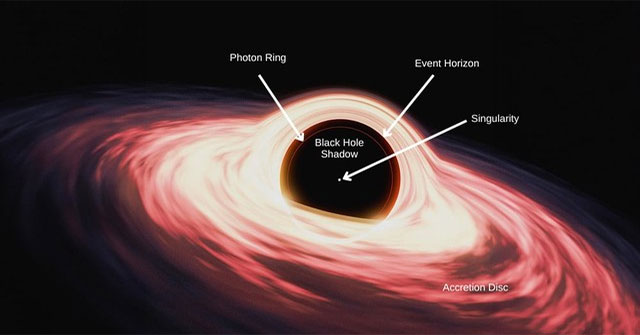
Why do we assume black holes are spherical?
The area of gravitational influence around planets, stars, and black holes is spherical because it pulls equally in all directions.
Browse ScienceInfo articles and explainers related to Universe.
2,417 published items.
The area of gravitational influence around planets, stars, and black holes is spherical because it pulls equally in all directions.
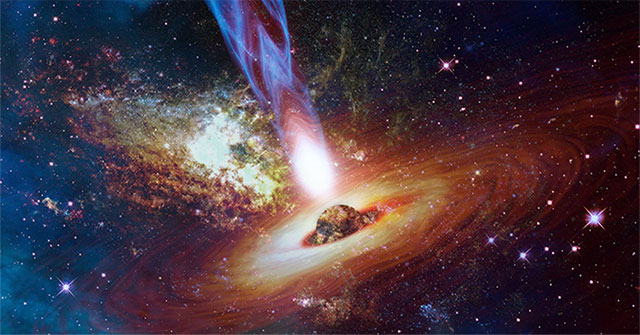
To date, there are still many unknown and uncertain aspects about the properties and behavior of quasars.
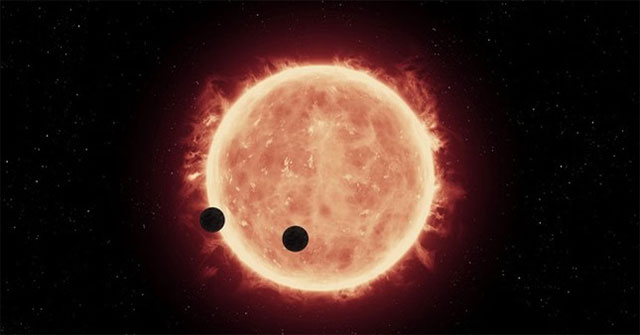
We know that one in five stars has an Earth-like planet. There are 200 billion stars in our galaxy alone.
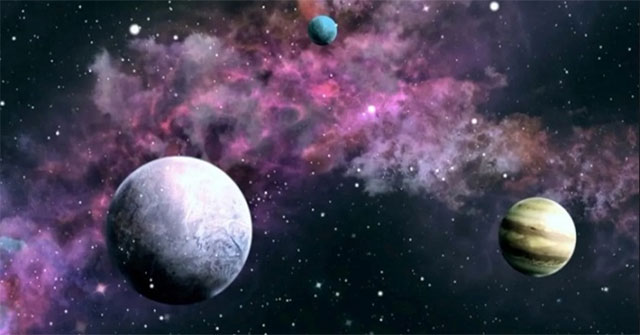
Astronomers estimate there are about 100,000 trillion billion planets in the universe based on the assumption that every star has a planet orbiting it.
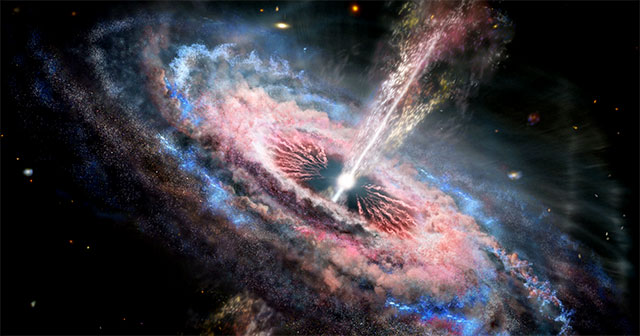
How did the universe come into being? This is one of the oldest and most intractable questions in human history.
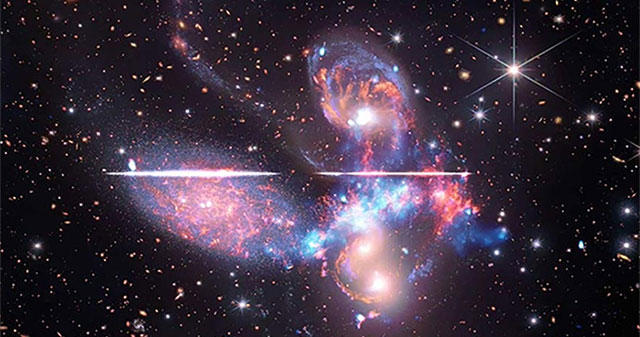
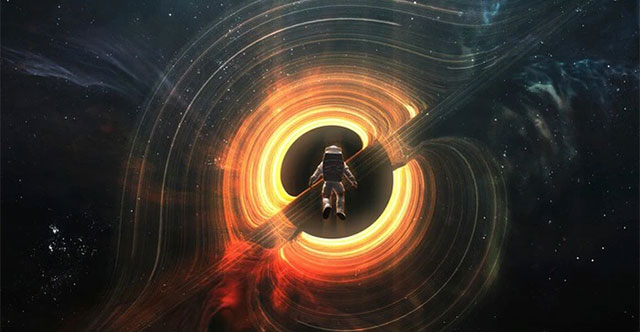
What if we - and our entire universe - were inside a black hole?
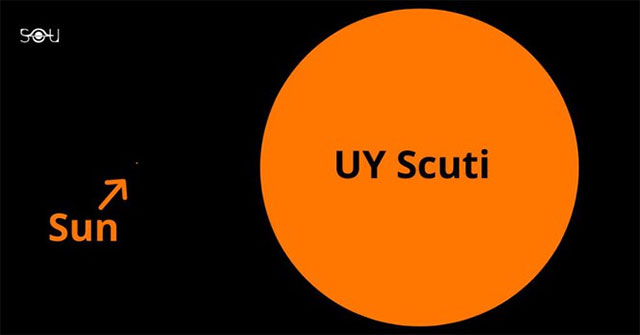
If the Earth were the size of a marble, the Sun would be the size of a yoga ball, and the largest star in the universe has a diameter that would be hard to believe.
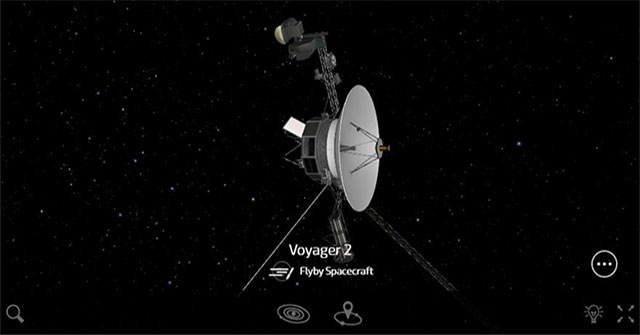
The twin spacecraft Voyager 1 and Voyager 2 continue to explore the universe 45 years after launching from Earth and 22 light hours away from the planet.

We know that in this universe, basically all celestial bodies rotate, of course our Earth is no exception.

Hidden in the Large Magellanic Cloud, a nebula just outside the Milky Way, lies what may be the largest known star in the entire universe.
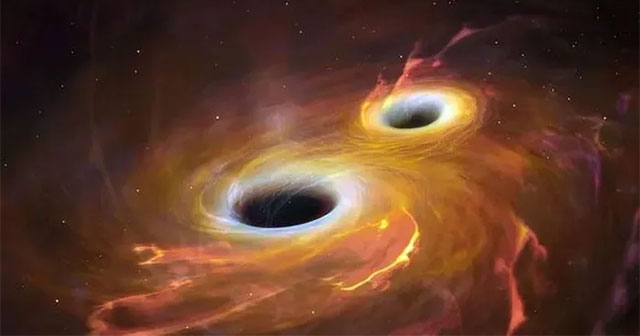
Astronomers have discovered two active black holes merging at the furthest distance ever seen, about 900 million years after the Big Bang.
Scientists have found a new limit on the mass of a particle of light (photon) based on indirect measurements.
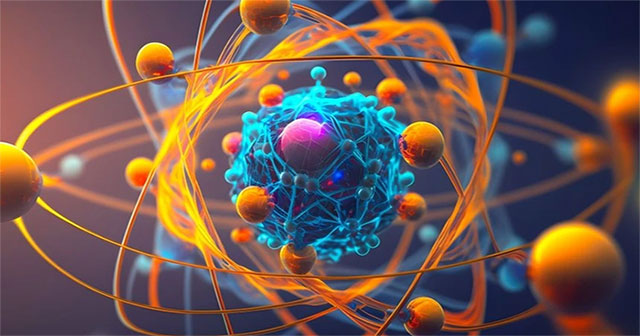
The image of the smallest chemical element has finally been captured by scientists using X-rays.

In Chinese history there are many ancient works that are considered to be