
Medicine - Health
The secret to help your stomach be as healthy as a Japanese
Eat slowly, chew carefully; use a variety of vegetables and grains; alcohol restriction; Keeping your mind relaxed ... will help your body stay healthy, energetic and ma…
Browse ScienceInfo articles and explainers related to Eat.
1,817 published items.
Eat slowly, chew carefully; use a variety of vegetables and grains; alcohol restriction; Keeping your mind relaxed ... will help your body stay healthy, energetic and ma…

The most ideal time for lunch is 11h45, dinner at 7pm. Lunch and breakfast should be 4 hours apart.
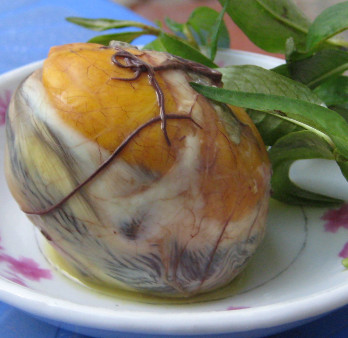
Many families give very small duck eggs to young children, but nutrition experts recommend that children should not eat this dish under 5 years old.
The harm from fasting vegetables is much worse than you think.

Prepared foods, canned foods are very convenient, popcorn is loved by many people ... However, they have the potential to cause health risks and can reduce human life.

Whether you eat fast, eat slowly or like to experiment with new things, the actual eating habits can reveal many things.
Our bodies need a certain amount of salt, but most people now have more salt than the standard. Because the amount of salt is accumulated in many foods that we eat. We a…


An unhappy news for those who like to drink grapefruit juice with this medicine: this fruit when used with medication may be harmful to health.

Many people like to eat eggs and often use eggs every day. However, this is not good in the eyes of scientists and nutrition experts.

Do you believe, we need up to 3 days to digest a Hamburger?

Ginger has been used for over 5,000 years in cooking and medicine in Asian countries thanks to undeniable benefits.

Don't be too nervous if you give up breakfast today. A recent study confirms this does not affect your health too much.

Here are 7 habits that many people have, more dangerous, they also mistakenly believe that they are eating science anymore.

Fruits rich in fiber, vitamins and minerals help prevent many diseases such as constipation, cancer, cardiovascular disease, macular degeneration.